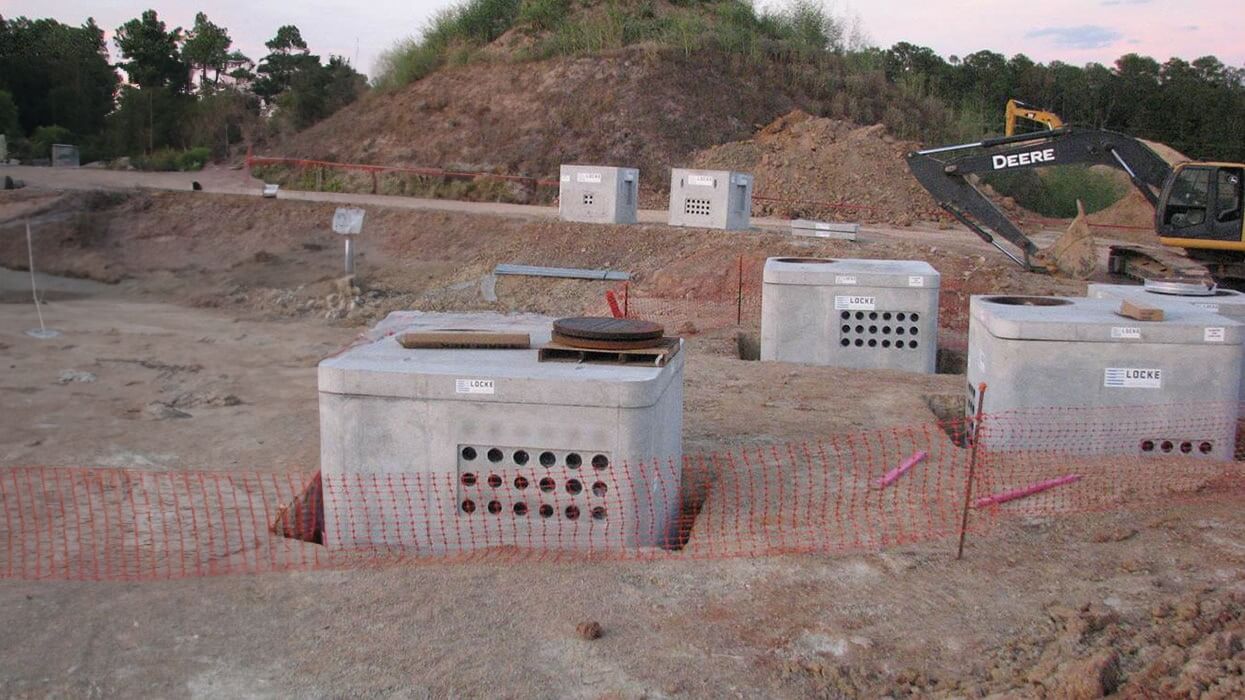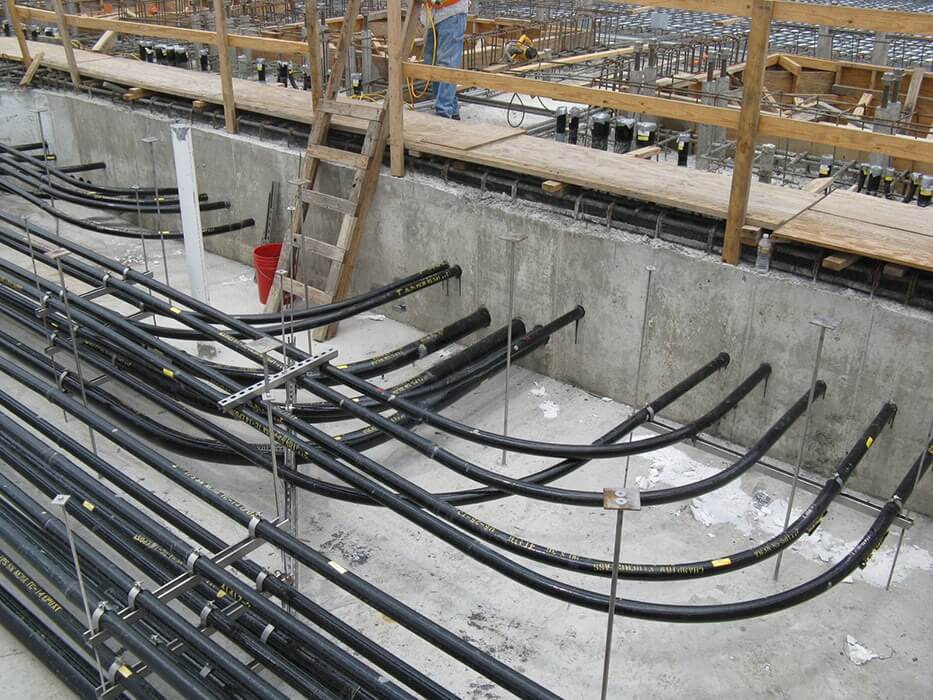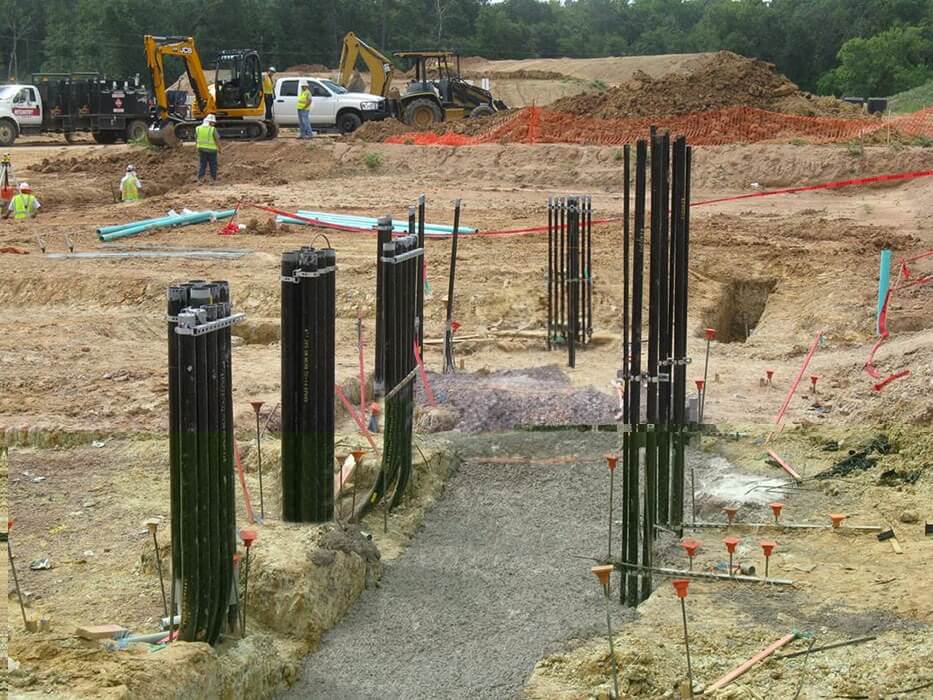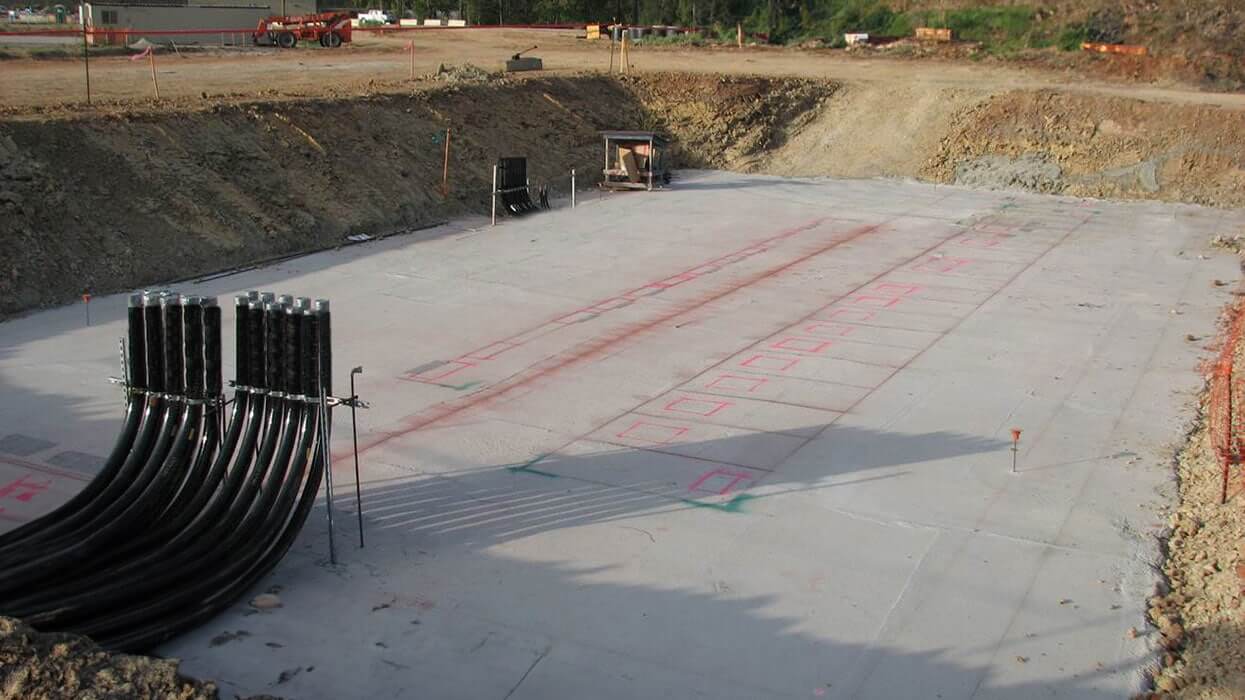








Fiberglass Conduit for Wastewater Treatment Facilities
The environmental challenges of wastewater treatment plants are no match for Champion Fiberglass® conduit.
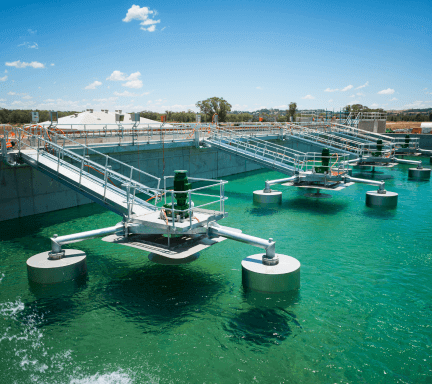
Application Overview
Few industrial environments are more caustic or damp than wastewater treatment facilities. Harsh chemicals, extreme temperatures and aging infrastructure require strong, durable conduit systems. That’s why Champion Fiberglass® epoxy fiberglass conduit does more to stand up to the challenges of a highly corrosive environment.
In the US, more than 14,000 wastewater treatment plants provide critical infrastructure required to maintain public health. When specifying conduit for wastewater projects and sewer systems, corrosion resistance is key. At $36 billion annually, the cost of corrosion related to water and sewer systems is big business.
Featured Video
Watch the Wastewater Treatment Video
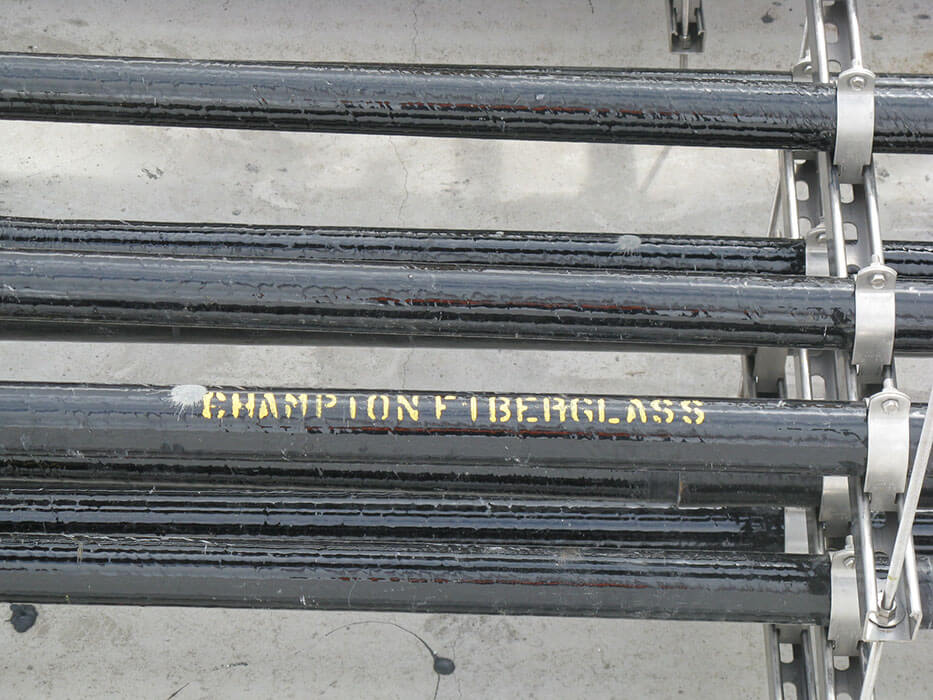
Champion Fiberglass does more to stand up to the challenge in damp and corrosive environments. With lightweight, non-corrosive fiberglass construction, Champion Fiberglass is the right choice to keep your operations safe-and your conduit installations intact over the long-term.
Electrical Conduit for Wastewater Plants
Understanding environmental contaminants and chemical processing is key to selecting a conduit for a wastewater treatment plant project. Sodium hypochlorite (bleach), polymer wastewater sludge, liquid oxygen, and waste activated sludge can all threaten the integrity of electrical conduit systems. Champion Fiberglass (RTRC) conduit is resistant to a wide variety of chemicals.
Costly replacements and repairs can eat up a significant portion of a wastewater facility’s budget. Among the types of conduits in environmental engineering, fiberglass (RTRC) conduit offers a cost-effective, long-term solution.
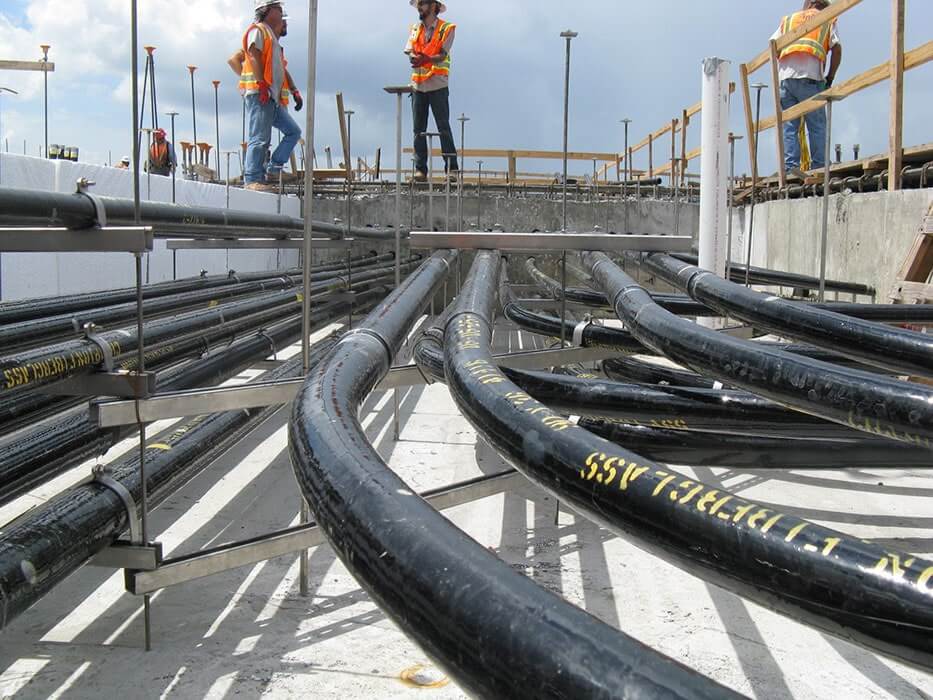
Traditional materials including stainless steel conduit and PVC coated conduit are significantly heavier than epoxy fiberglass, contributing to higher installation costs per the NECA Manual of Labor Units. When considering the combined cost of material and labor, RTRC costs 71% less than aluminum conduit and provides comparable protection in corrosive atmospheres.
Innovative Solutions for Highly Corrosive Environments
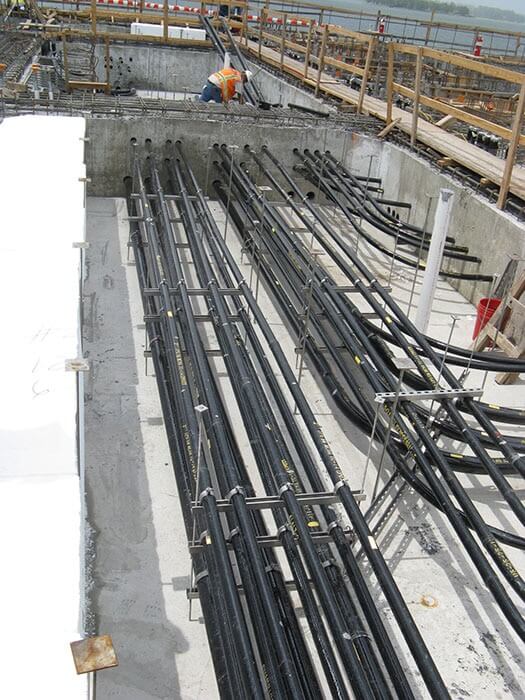
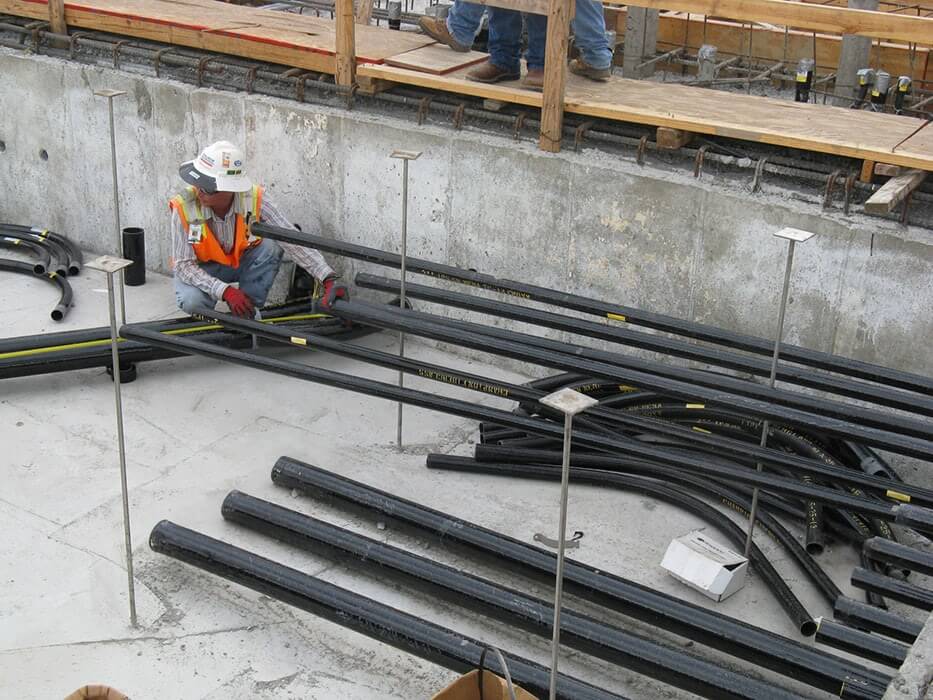
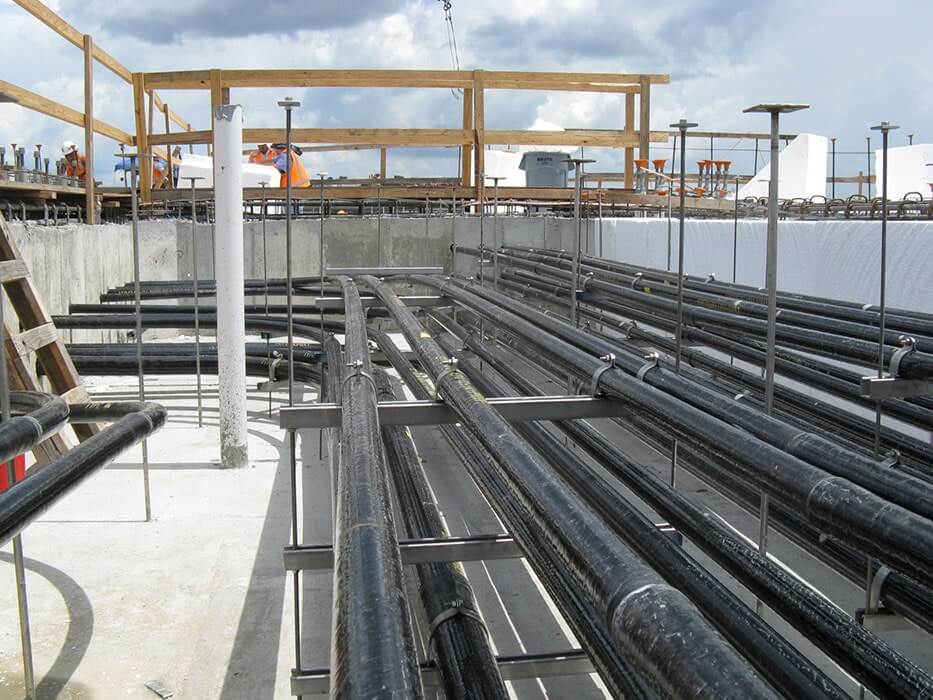
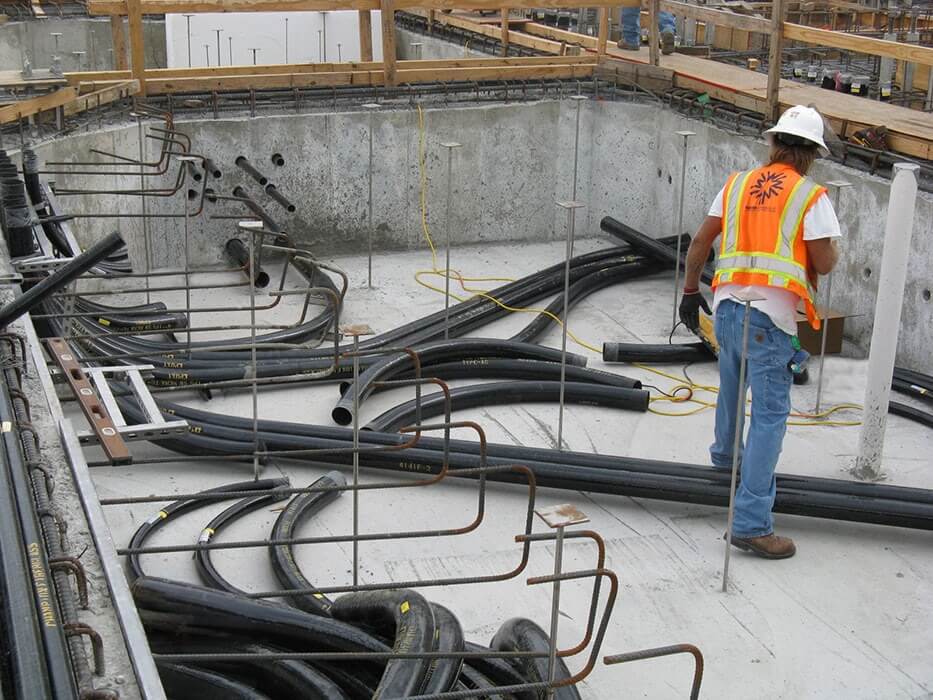
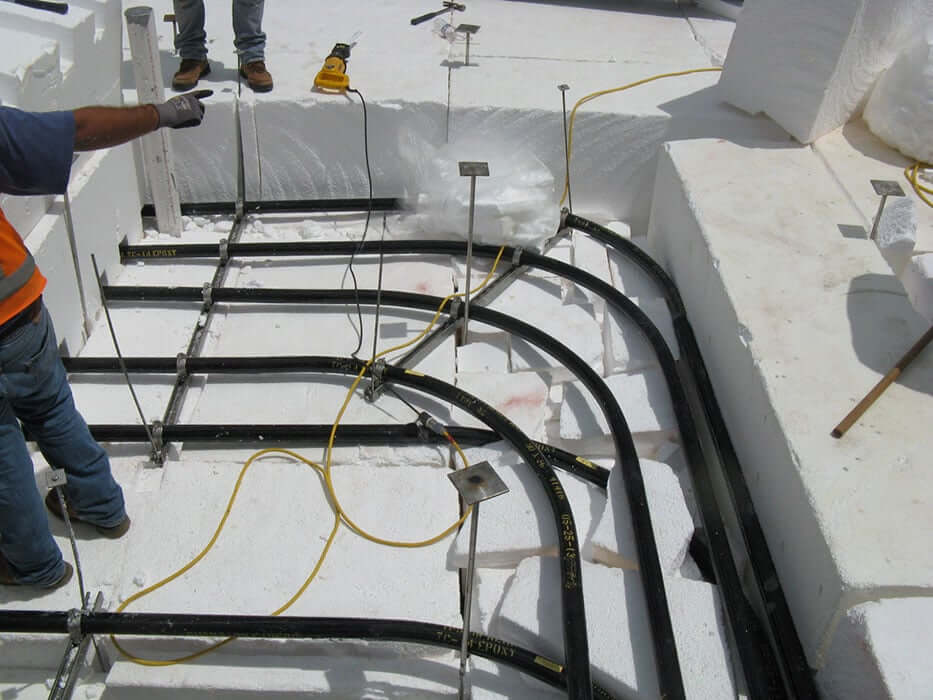
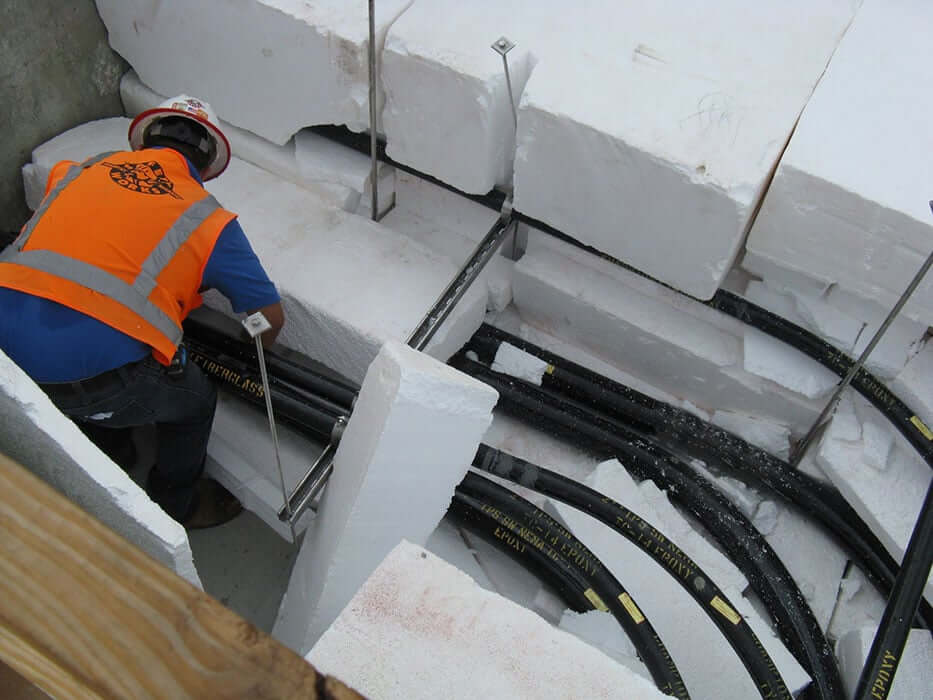
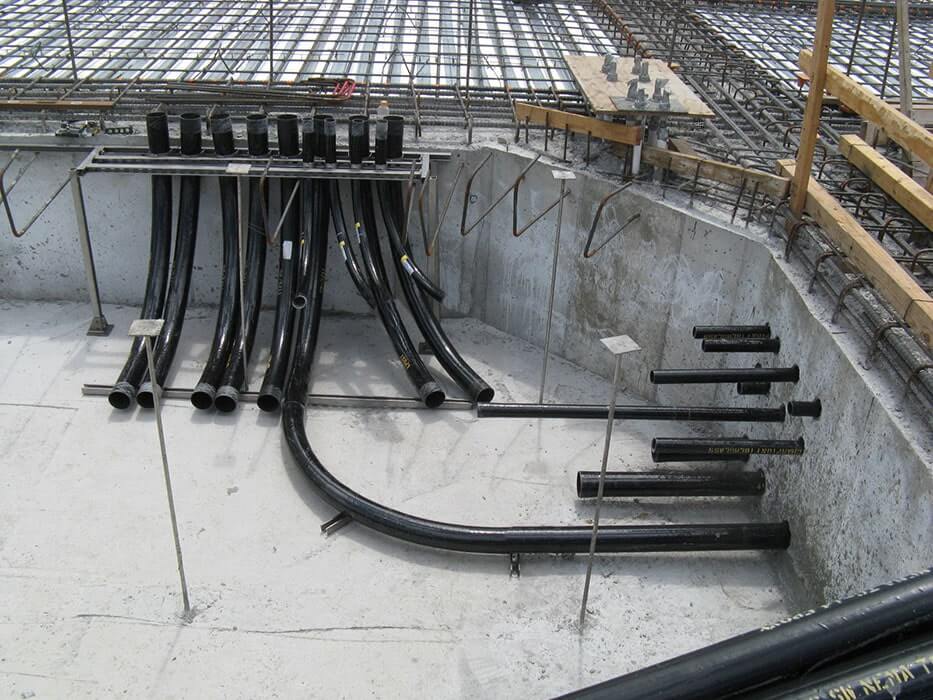
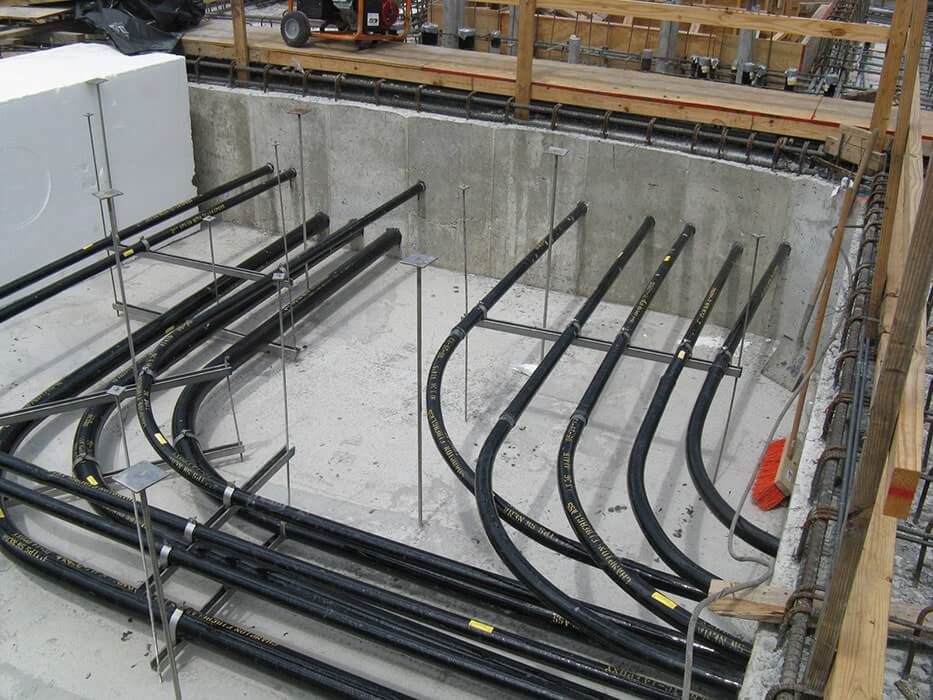
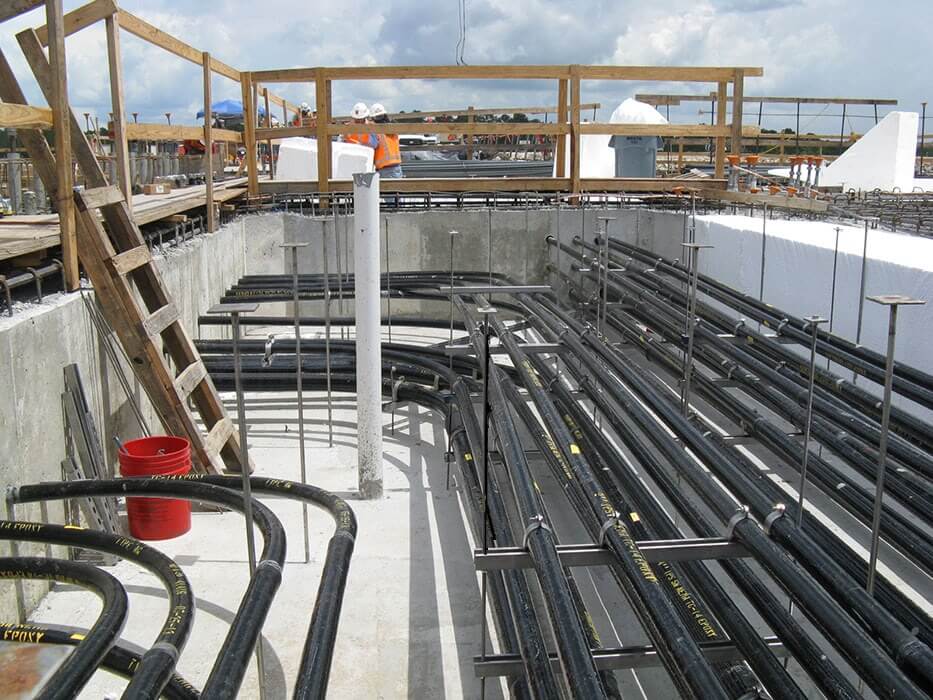
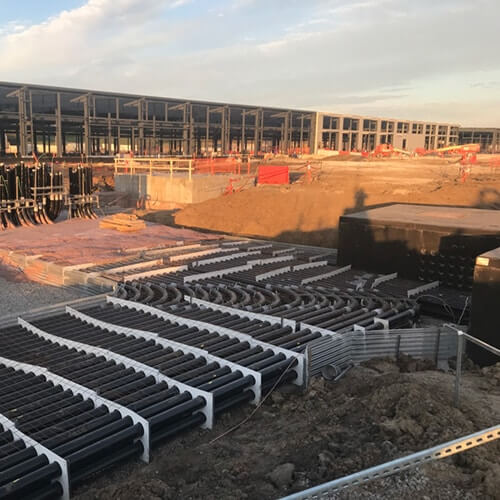
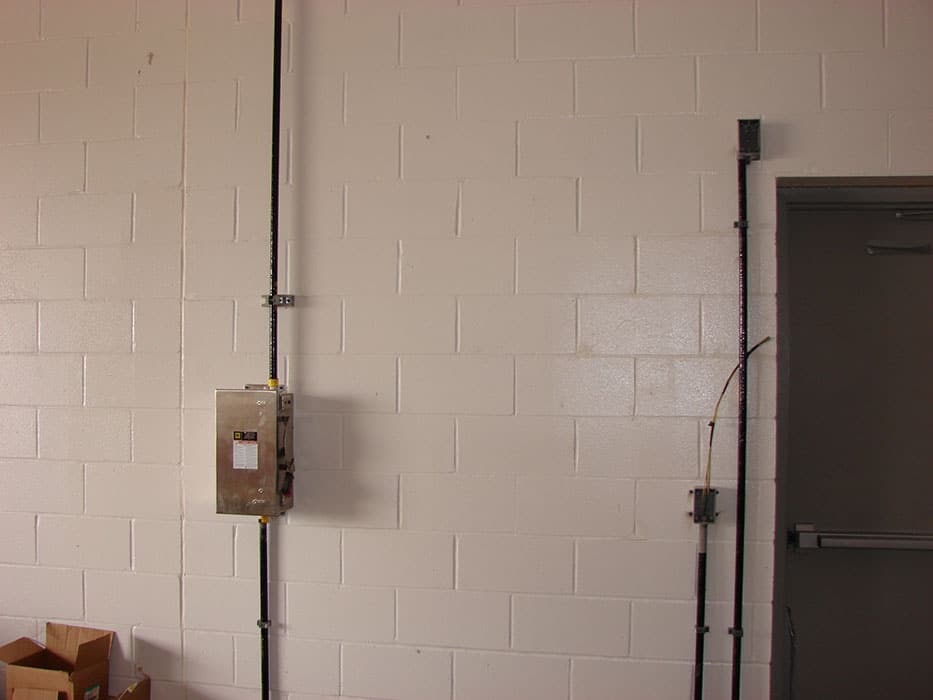
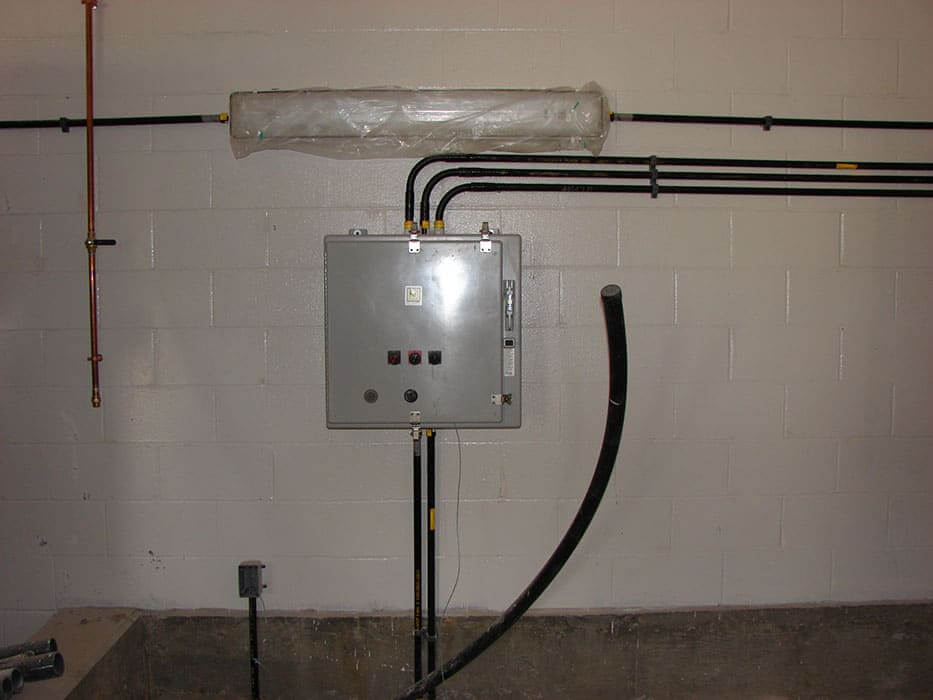
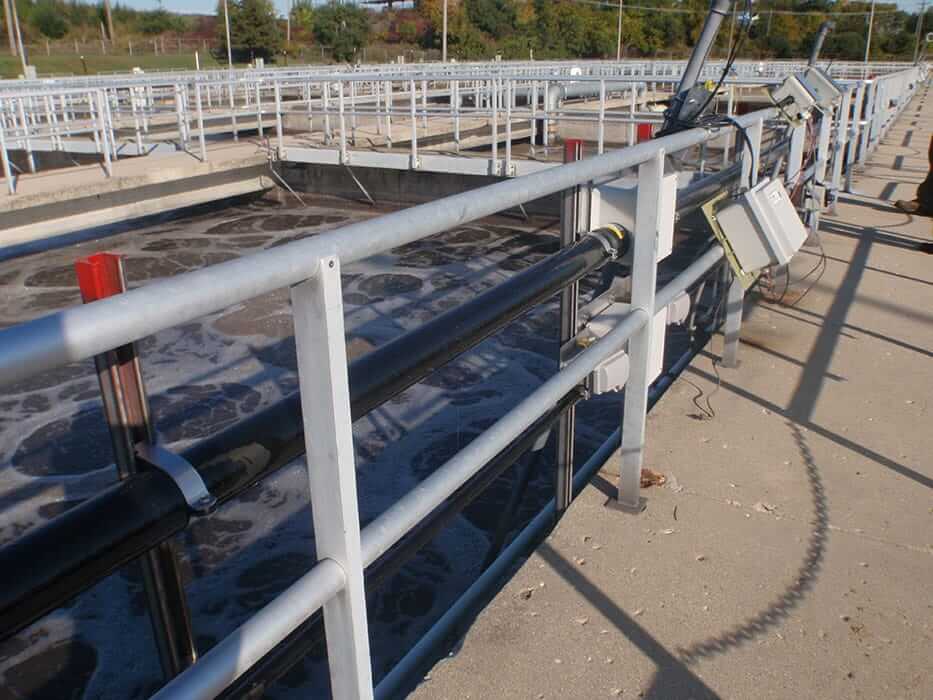
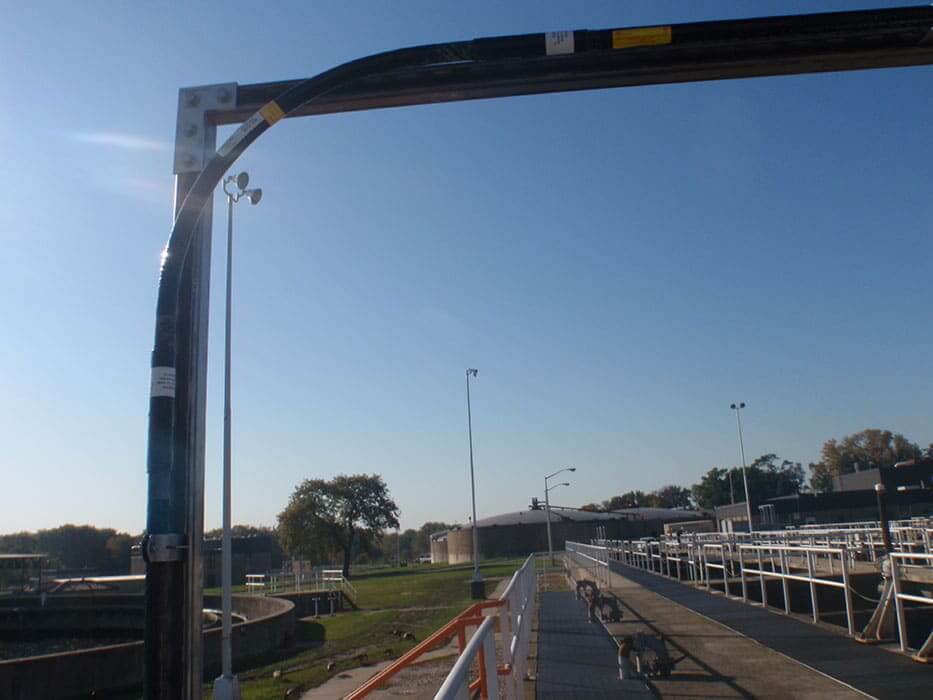
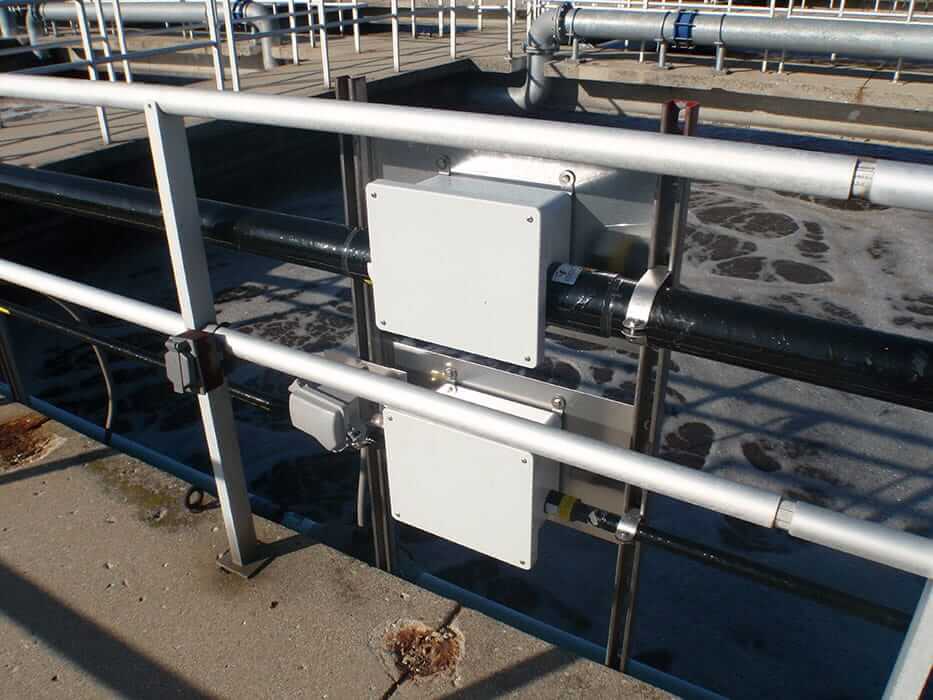
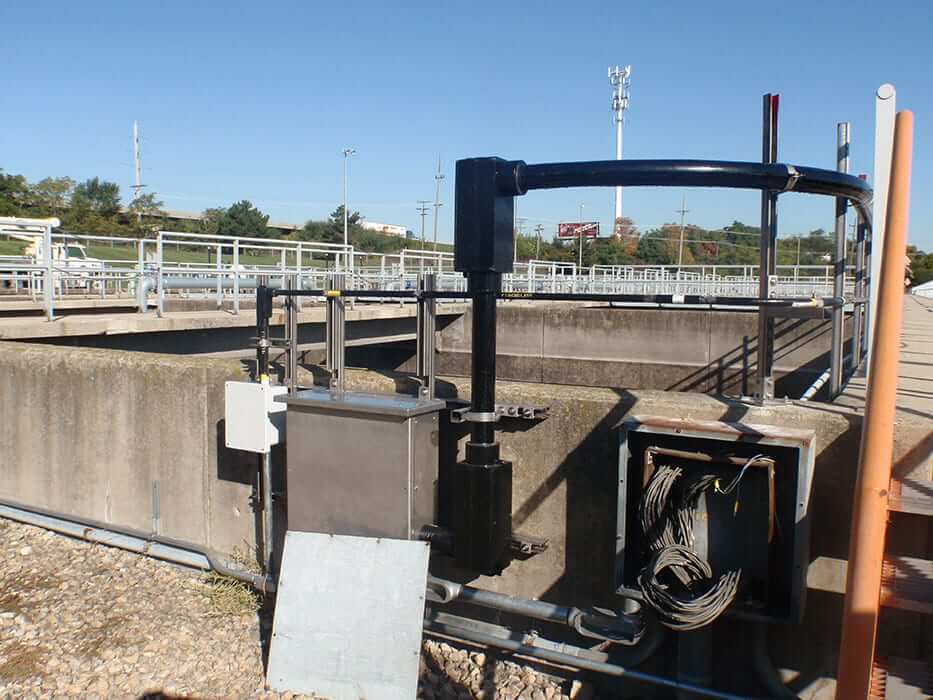
In the case of Fox Metro Wastewater Treatment Plant, the existing conduit system began to fail when a large portion of the PVC coating had begun separating from the underlying rigid steel conduit itself, allowing corrosion to take place. Champion Fiberglass created a custom conduit solution for the plant measuring 8,000 feet to ensure the plant could meet federal and state quality standards and continue to serve nearly 300,000 residents and business stakeholders.
With lightweight, non-corrosive fiberglass construction, Champion Fiberglass is the right choice to keep your operations safe and your conduit installations intact over the long-term.
Chemical Resistance in Wastewater Environments
- Wastewater treatment conduit has to withstand the plant’s chemistry, and Champion Fiberglass RTRC conduit resists more than 70 chemicals.
- In wastewater treatment those most often encountered are: hydrogen sulfide, generated in collection systems and headworks; chlorine and sodium hypochlorite used in disinfection; caustic soda used in pH adjustment; sulfuric acid; polymer wastewater sludge; liquid oxygen; and waste activated sludge.
- Because the conduit is non-metallic throughout, it serves as corrosion resistant WWTP conduit with no coating to separate and no steel substrate to rust once exposure begins, which is the failure mode that ends the service life of PVC-coated rigid steel in these facilities.
Featured Product
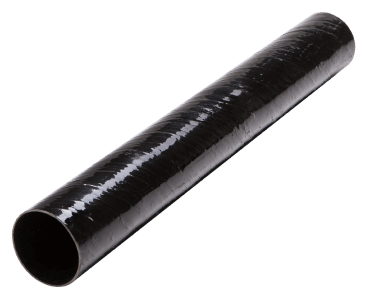
Champion
Duct®
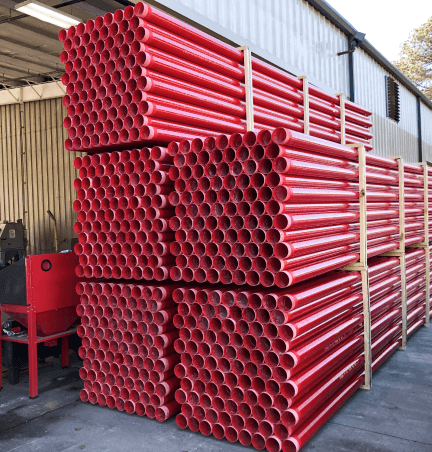
Lightweight fiberglass conduit with unmatched versatility and strength.
- CSA listed per CSA-22.2 No 211.3-96 standards
- UL 2420 Listed for below-ground installations
- UL 2515 Listed for above and below-ground installations
- Standard Wall, Medium Wall (UL designates Champion Fiberglass MW for 5″ and 6″ as SW), and Heavy Wall conduits are UL Listed for newly expanded support spacing distances
Champion Fiberglass products are manufactured in accordance with the NEC (National Electrical Code) in Article 355: Reinforced Thermosetting Resin Conduit and listed in Article 12-1200-1220 of the CEC (Canadian Electrical Code) as Rigid RTRC Conduit.
FAQs – below ground applications, industries, and usage
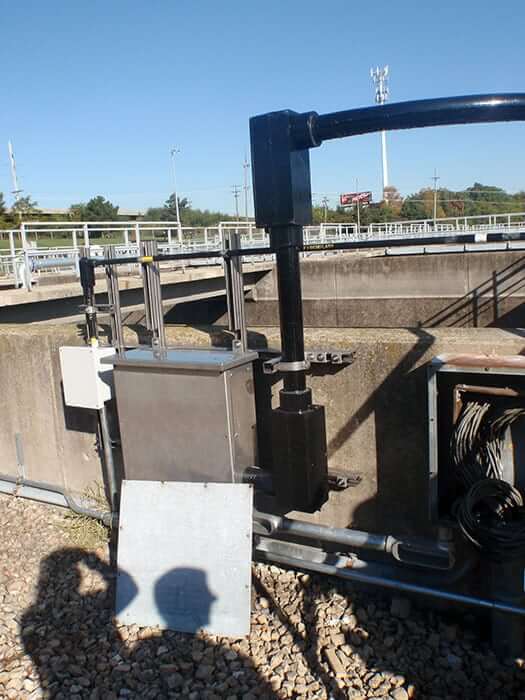
Epoxy RTRC fiberglass conduit such as Champion Duct® is a proven wastewater treatment conduit because its non-corrosive construction holds up in damp, caustic plants where sodium hypochlorite, polymer sludge, and waste activated sludge are present. It is UL 2420 and UL 2515 Listed and manufactured to NEC Article 355. On a combined material and labor basis, RTRC cost 71% less than aluminum conduit on the San Jacinto River Authority project. Where plant areas are classified Class I, Division 2, Champion Haz Duct® XW is the NEC-approved option.
Yes, per the Champion Fiberglass Chemical Resistance Guide [CLIENT INPUT: confirm the hydrogen sulfide rating, concentration, and temperature limit before publishing]. Champion epoxy RTRC conduit has been tested under strict protocols against hundreds of chemicals, and its non-metallic construction cannot rust in the damp, corrosive air of a wastewater plant. There is also no coating to separate from a steel core, the failure that exposed conduit to corrosion at the Fox Metro Wastewater Treatment Plant before Champion supplied 8,000 feet of replacement conduit.
Champion Haz Duct® XW and Champion Duct® are the epoxy RTRC conduits Champion Fiberglass supplies for chemical exposure. Haz Duct® XW offers the widest range of corrosion resistance, is NEC-approved for Class I, Division 2 locations, and is UL 2515-A Listed, making it the standard choice for chemical process areas inside and outside wastewater plants. Both are tested against hundreds of chemicals, and filament-wound epoxy construction is more corrosion resistant than PVC conduit or polyester and vinyl ester resins.
RELATED CASE STUDIES
Project Photos
12 Mile – Creston, IA
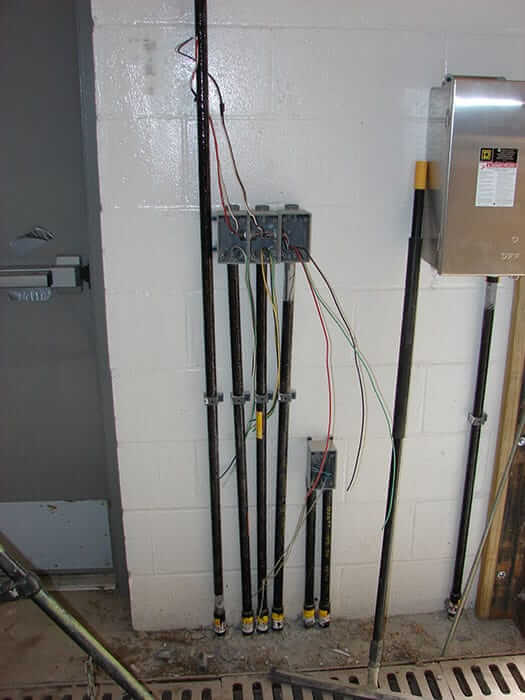
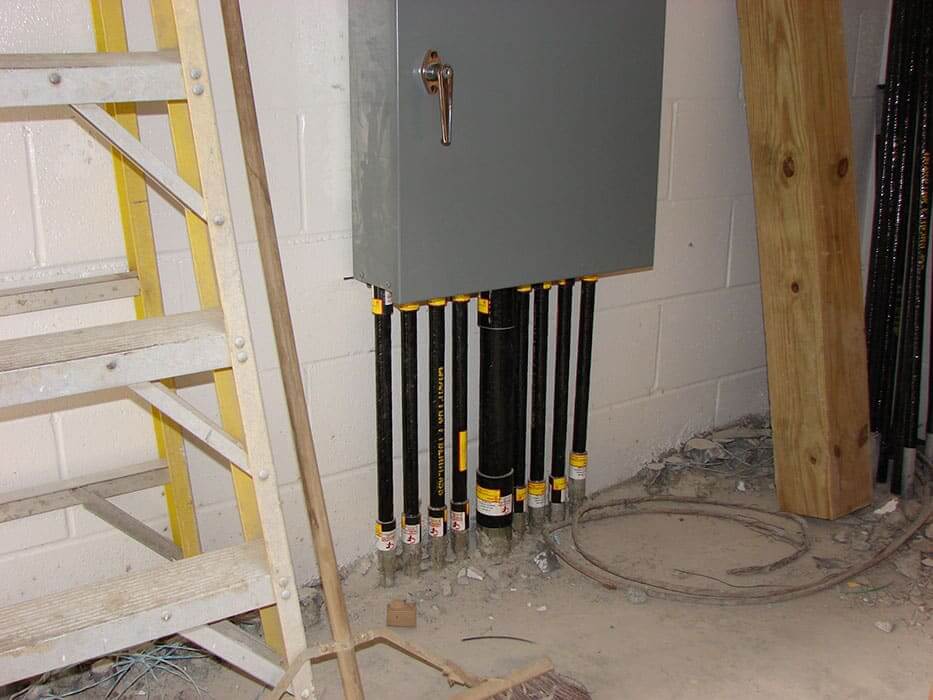
Fox Metro – Oswego, IL
San Jacinto River Authority – Conroe, TX