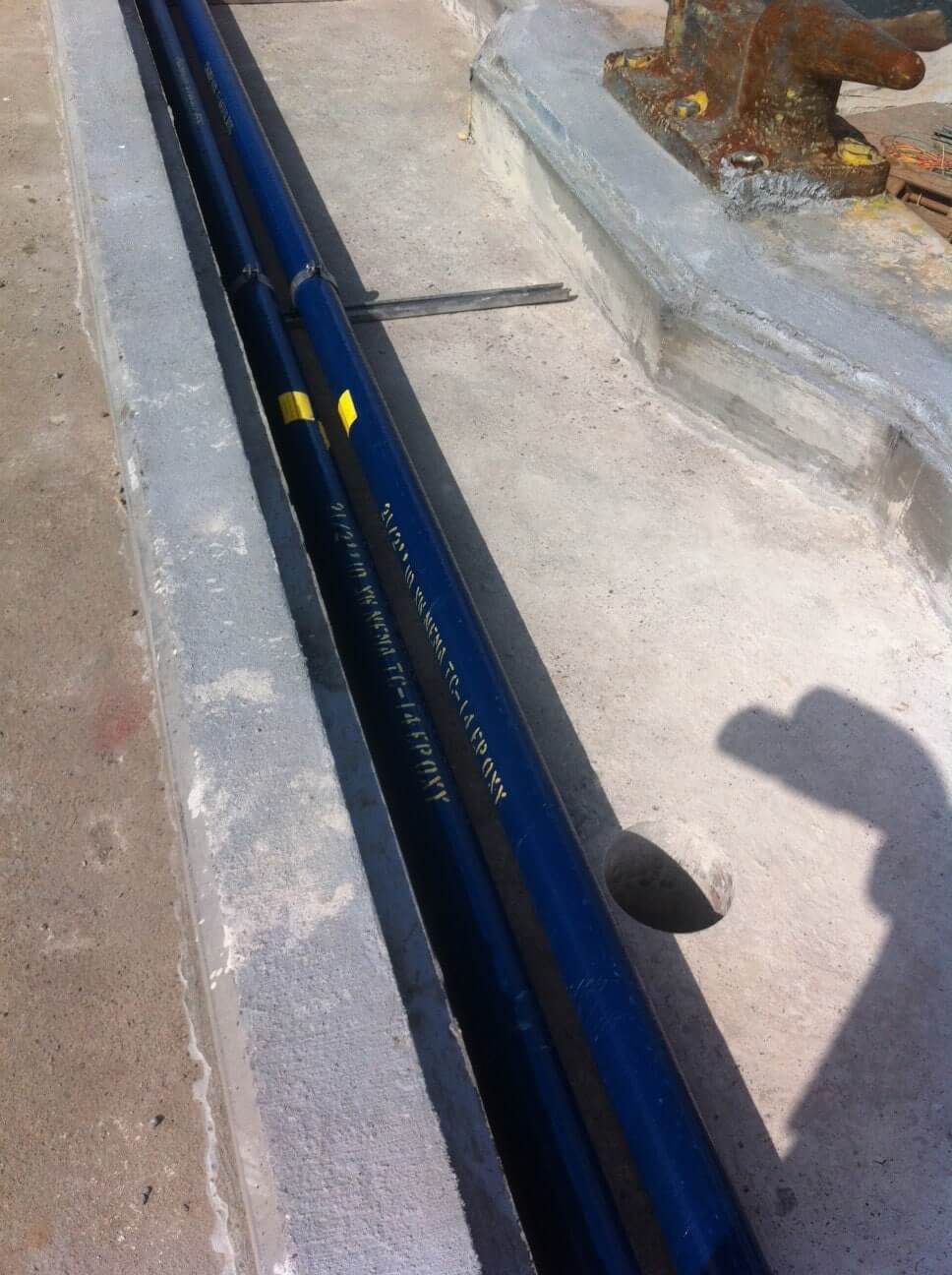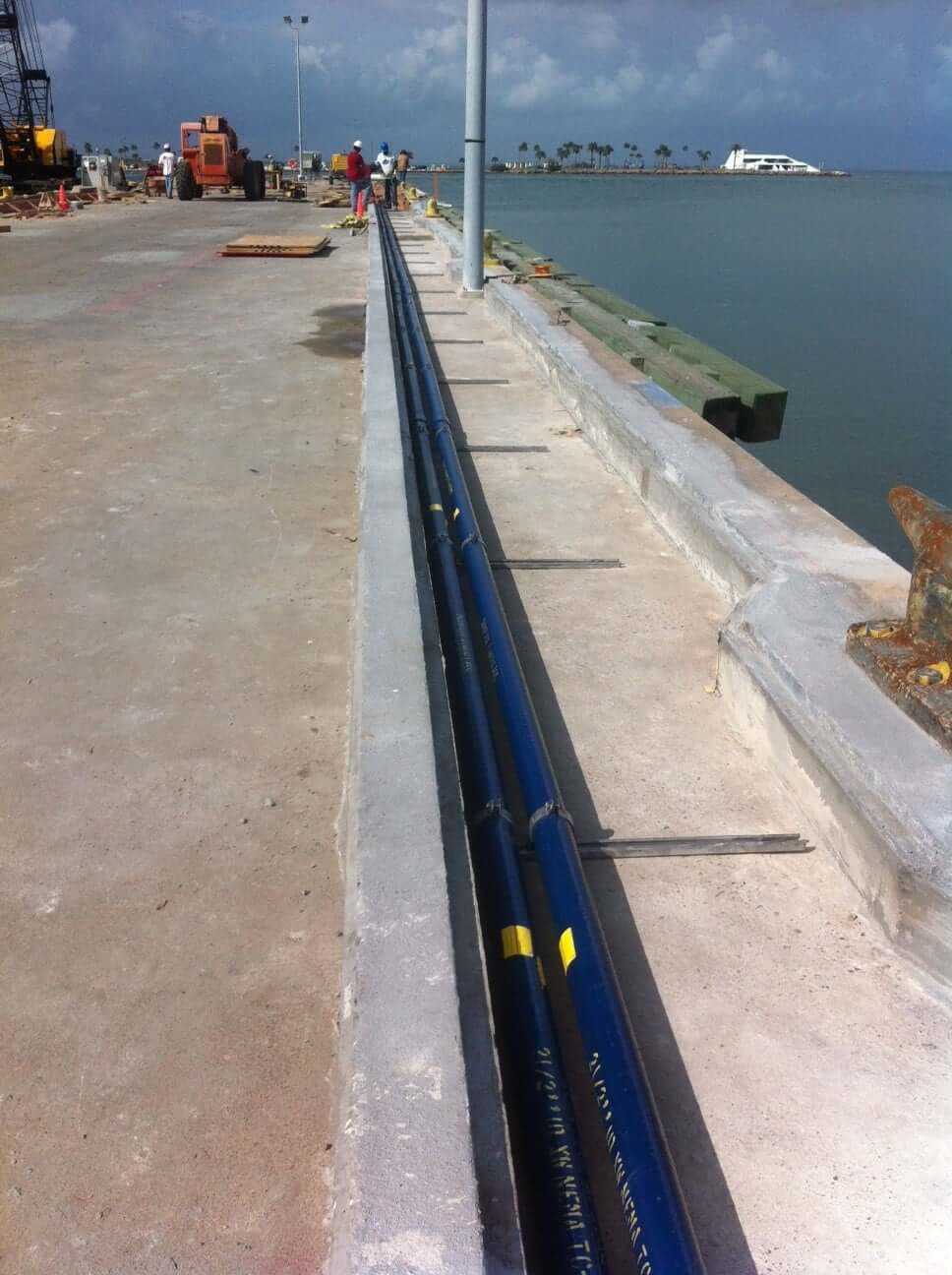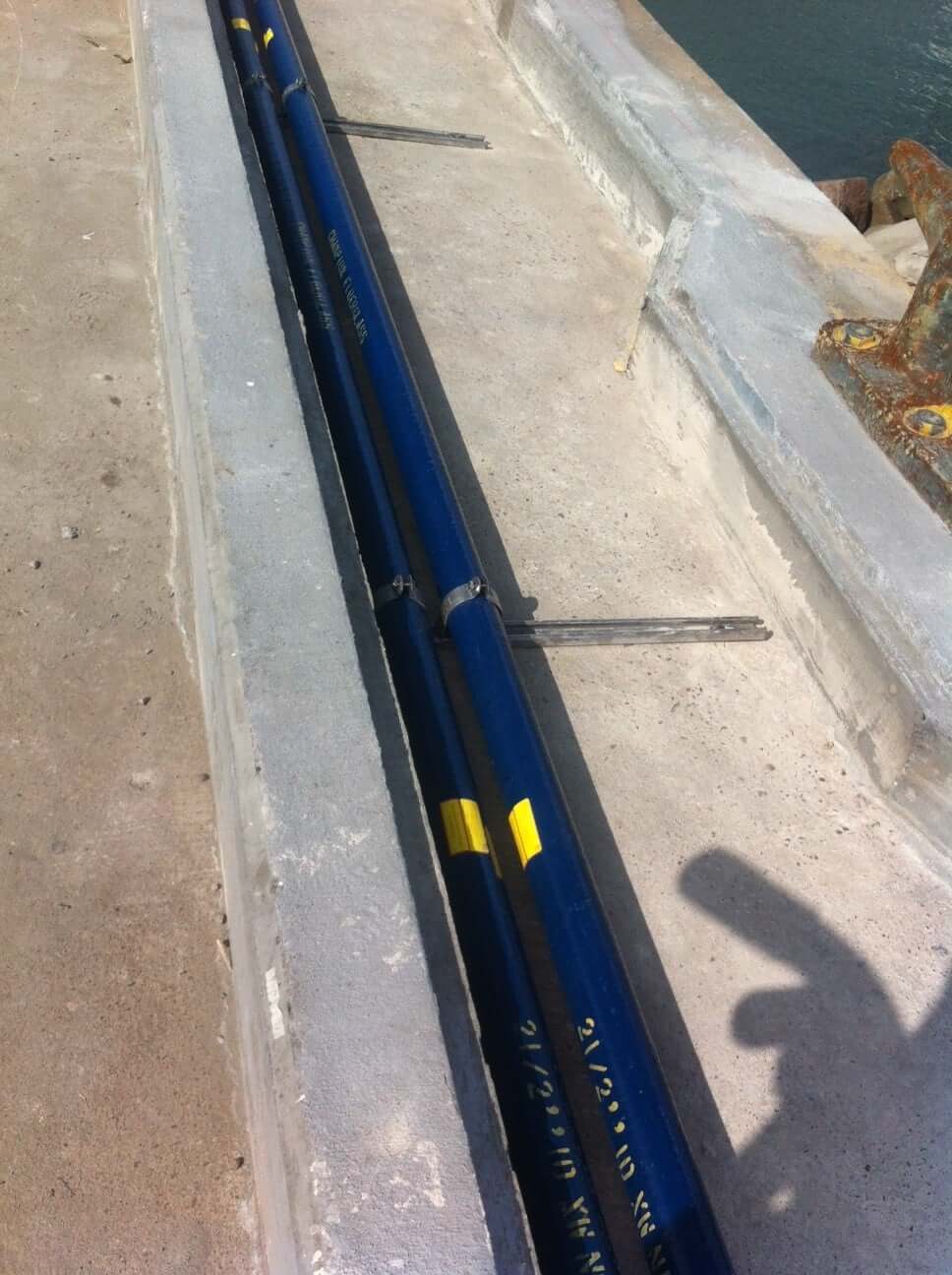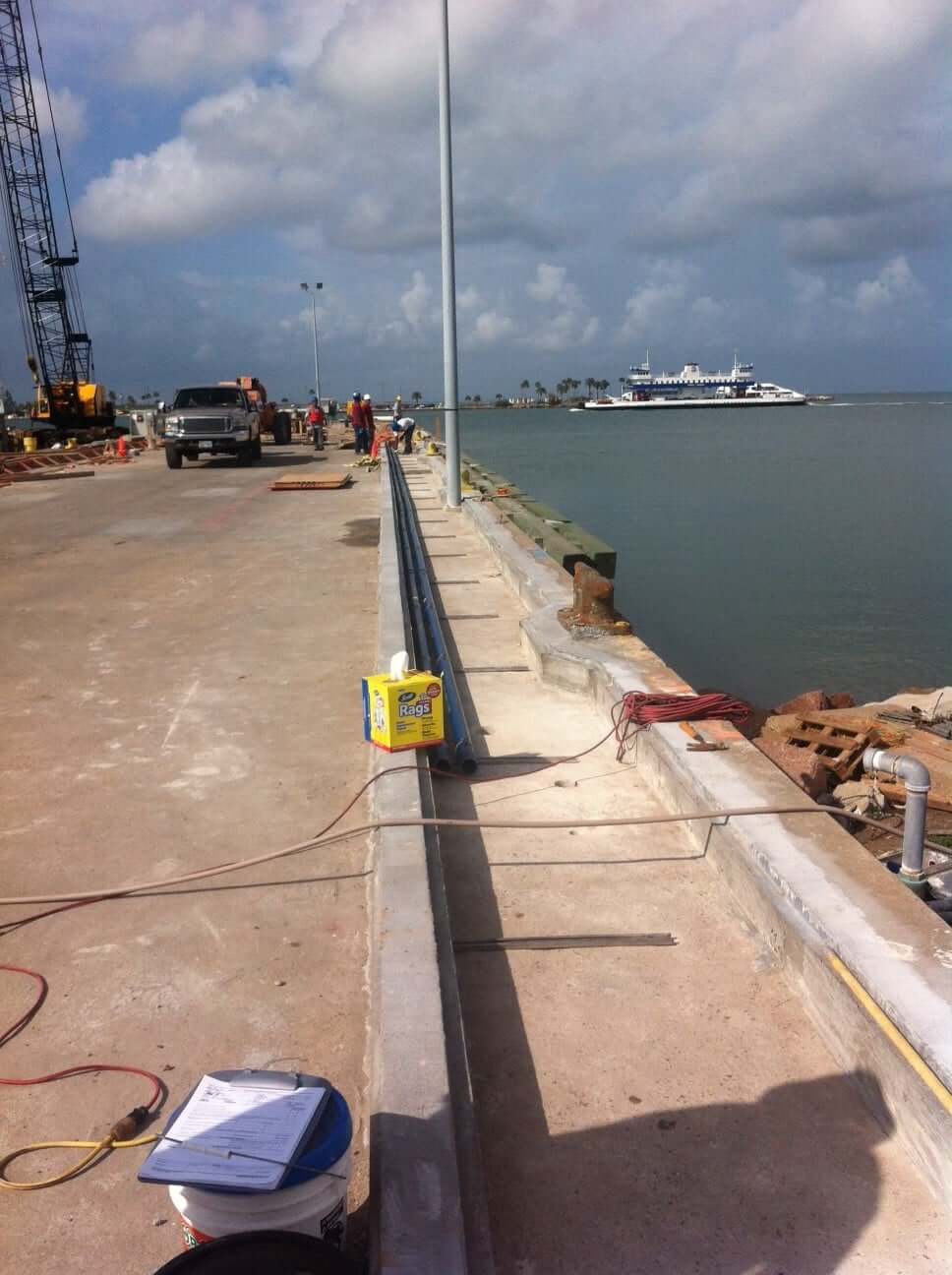






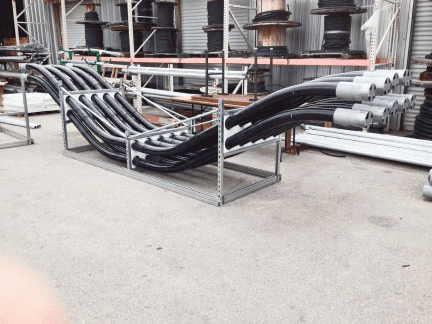


Fiberglass Conduit for Coastal & Marine Environments
Conduit that stands up to the tests of sun and sea for port authority projects. Easy to install and cost effective.
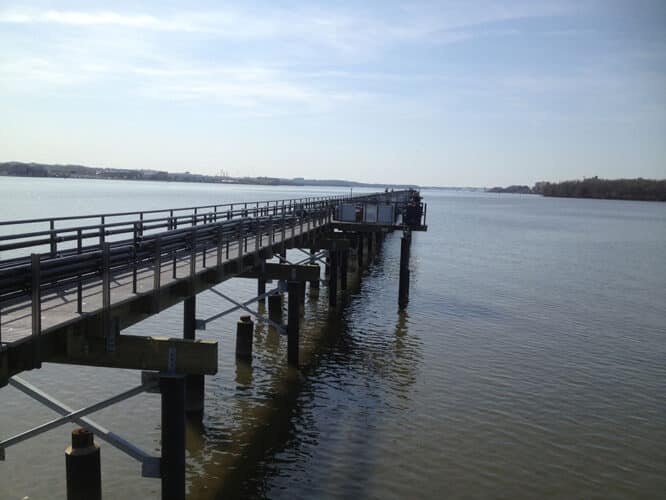
Application Overview
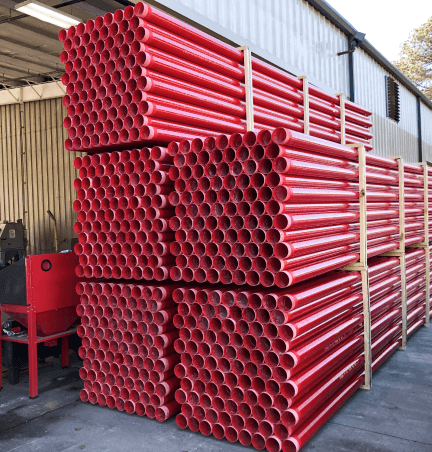
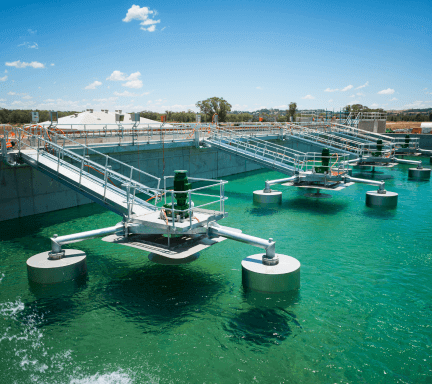
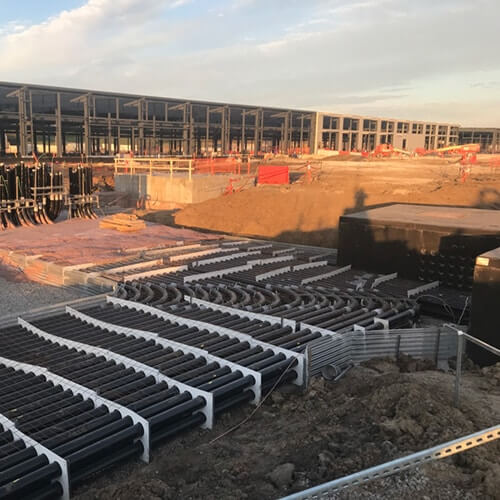
Coastal and port authority projects are characterized by exposure to sun and saltwater, extreme weather and unique installation scenarios. When you need a corrosion resistant conduit system and elbows for coastal projects, you need the one name that stands up to the elements and makes complex installations easier.
From its weather resistance, impact resistance and its lightweight nature, our Haz Duct® XW type conduit is built to withstand impact from floating debris commonly seen in Port/Coastal applications. Champion Fiberglass XW Haz Duct® helps ensure confident, worry-free performance combined with a speedy, less-costly installation.
Here’s how fiberglass conduit shines in port authority and coastal environments:
- For high impact situations caused by weather and debris, Haz Duct® XW offers protection as it’s been shown to stop a .40 caliber bullet from a distance of 20 feet.
- Regarding sun exposure, Champion Duct is UV stable per UL 2515 and CSA C22.2 No. 211.3-96, so it won’t degrade in constant sunlight.
- Because of its wide temperature range, fiberglass conduit retains its properties at low temperatures, tolerating extreme environments and allowing year-round installations. Haz Duct® maintains its mechanical properties from low temperatures of -60°F to high temperatures of 250°F.
- Champion Fiberglass XW Haz Duct® is resistant to sea water so it safeguards against saltwater corrosion.
- Champion Fiberglass conduit makes installation easier due to its light weight. In some cases, fiberglass conduit weighs one-twelfth that of other conduit types.
Marine Environment Performance
- Champion Fiberglass RTRC coastal conduit qualifies under the Build America, Buy America Act for federally funded port authority and DOT coastal work, and is manufactured and marked in the United States.
- Port and coastal electrical infrastructure fails at the metal first: this is a non-rusting, UV-stable, saltwater-resistant conduit, with no coating over a steel substrate to separate under wet-dry cycling in salt-laden air.
- Champion Duct® is the primary marine conduit for pier, wharf and terminal runs, and Champion Strut™ provides non-metallic support so the whole assembly stays out of the corrosion path.
FAQs – below ground applications, industries, and usage
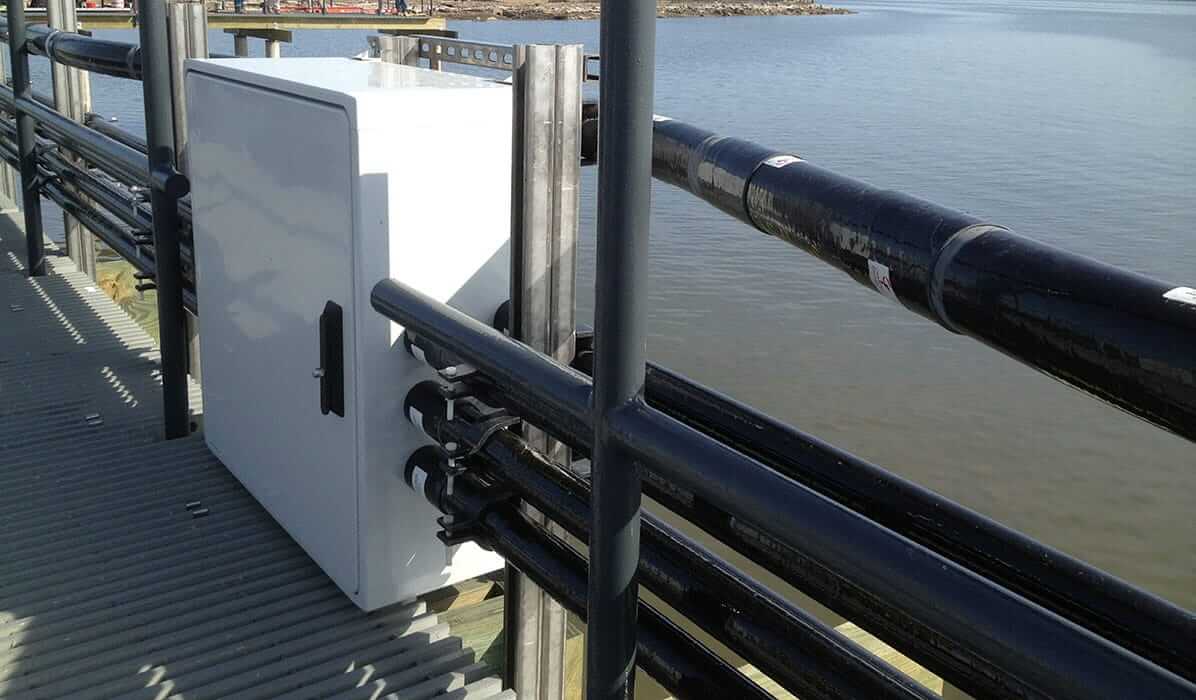
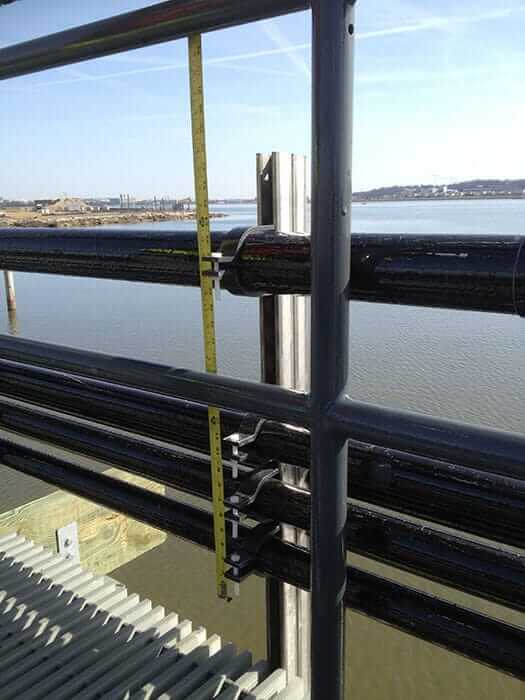
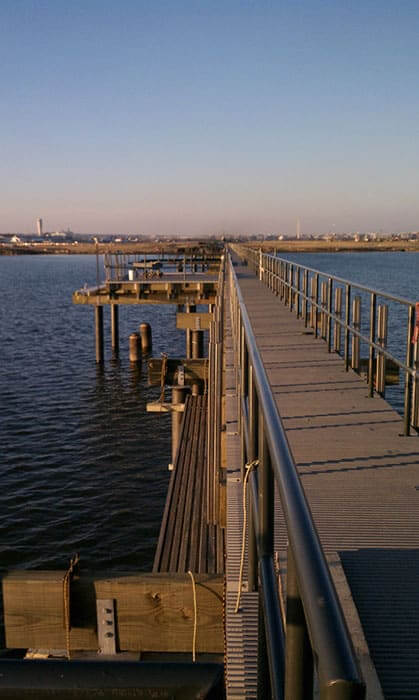
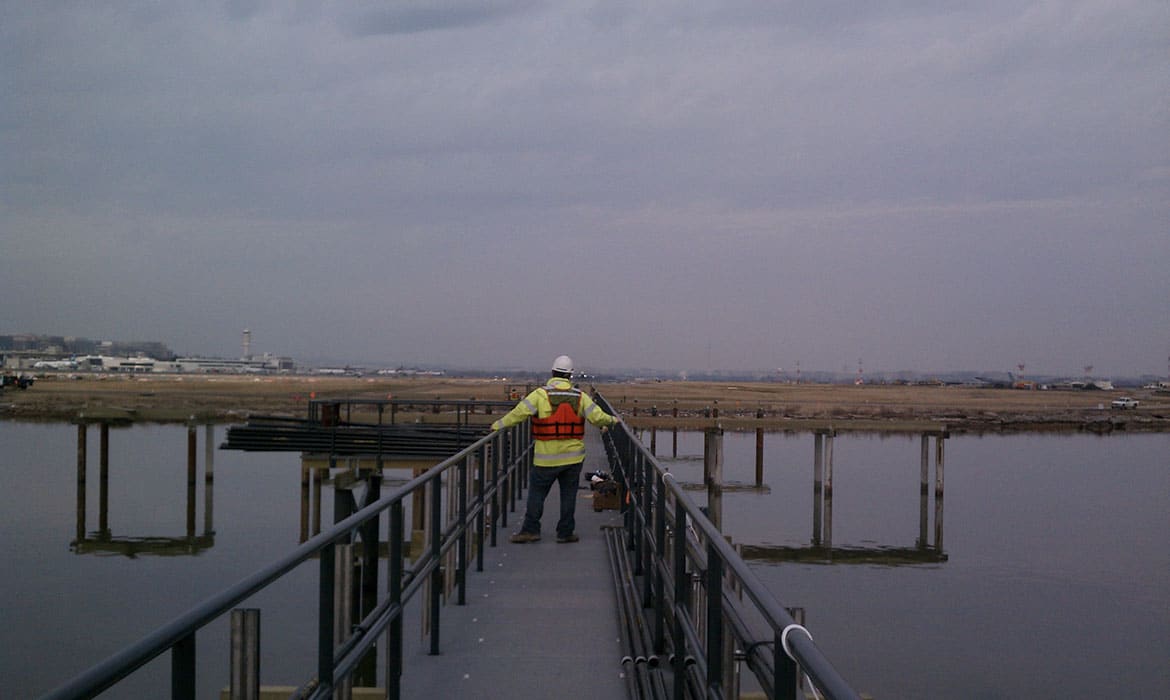
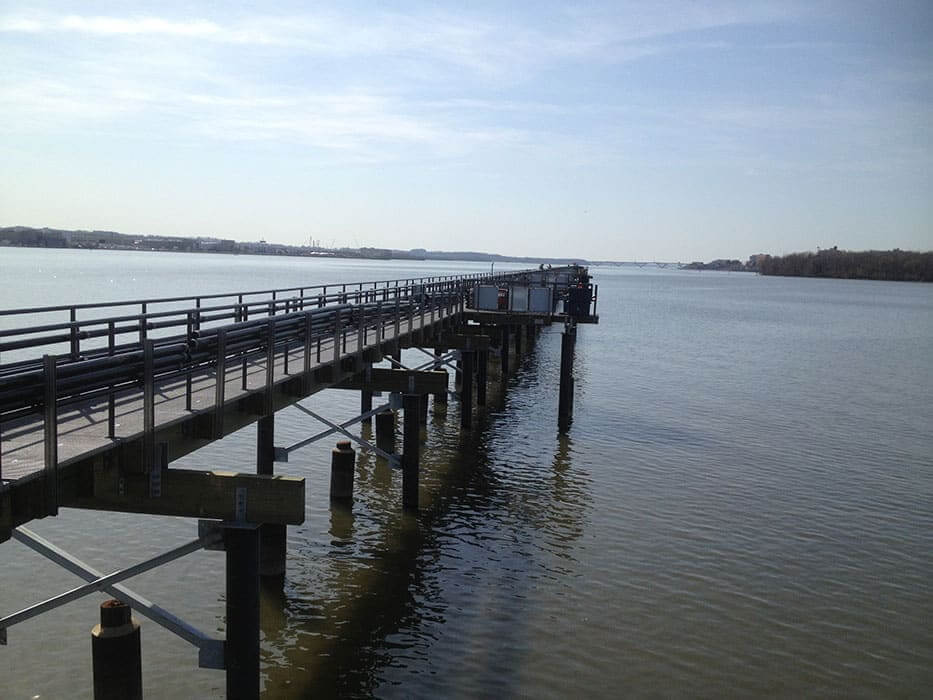
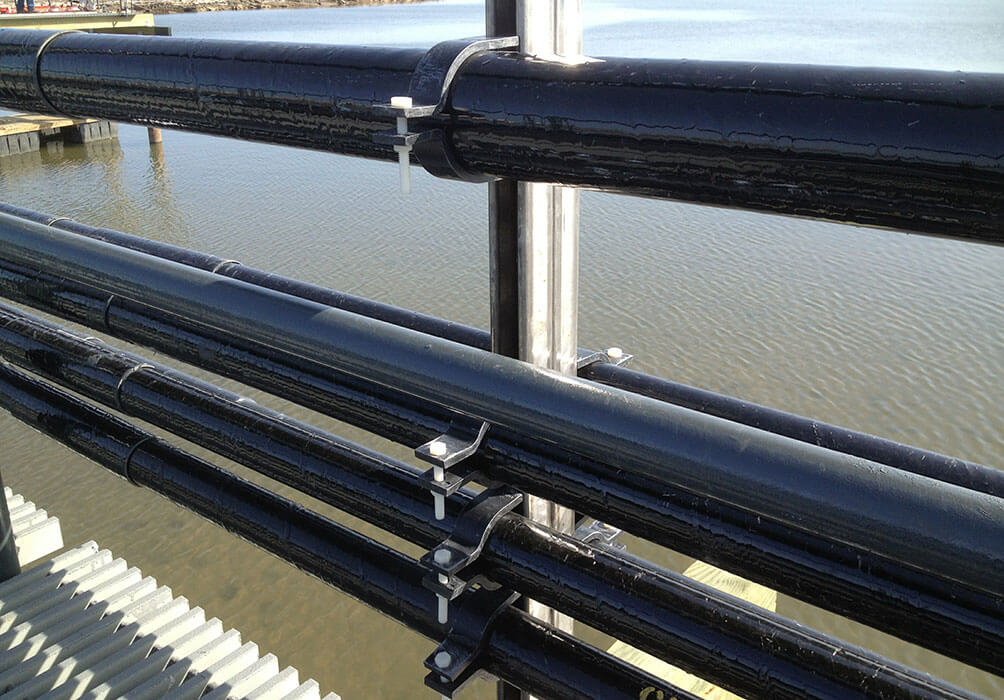
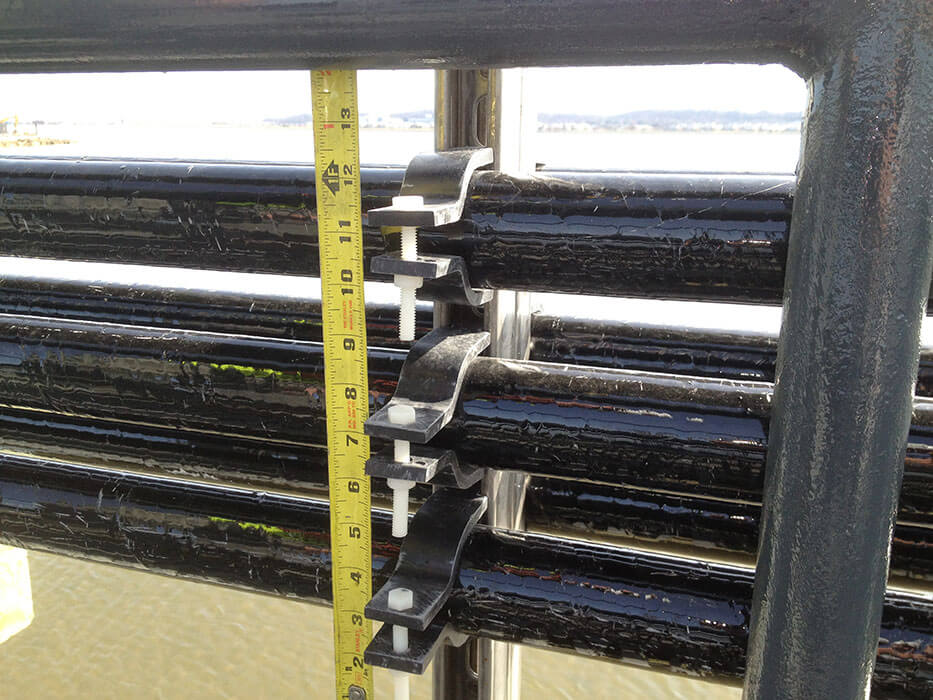
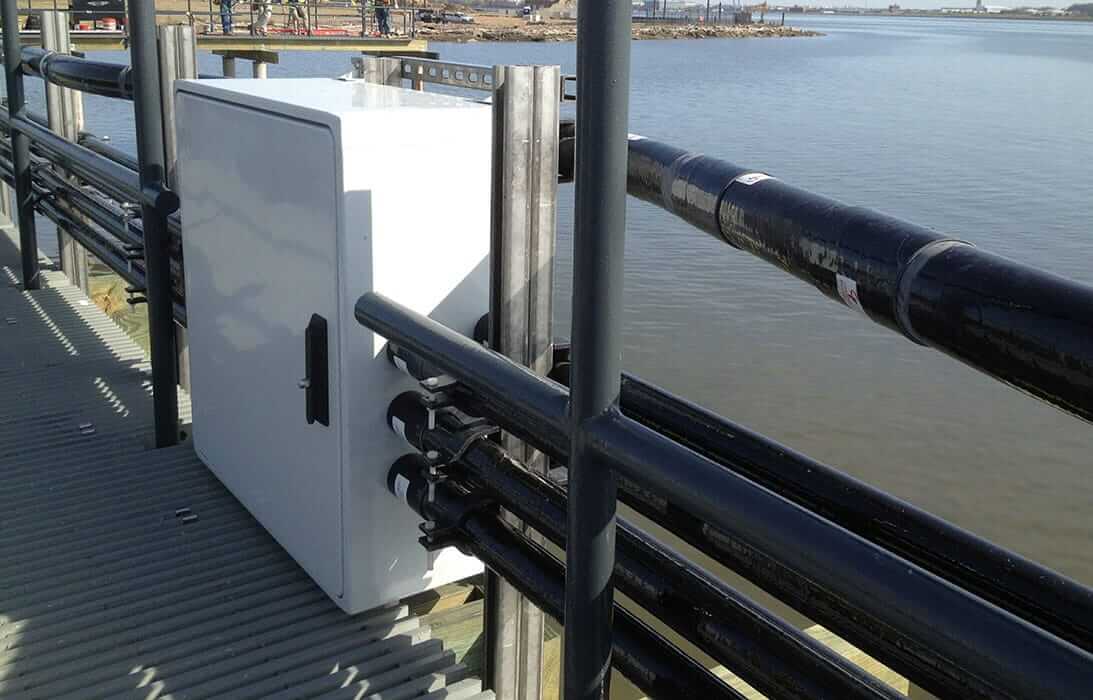
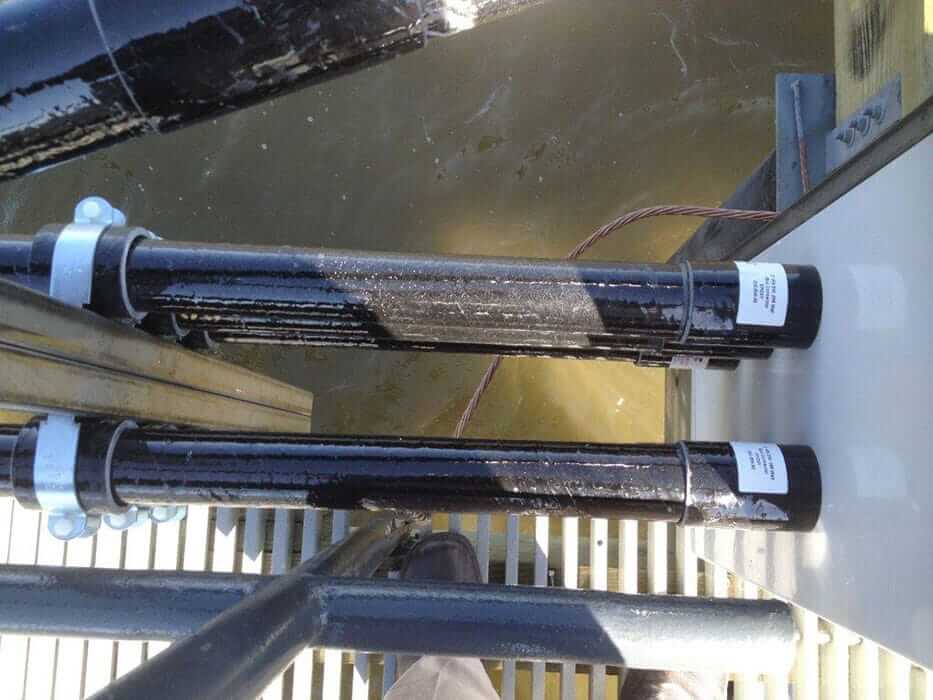
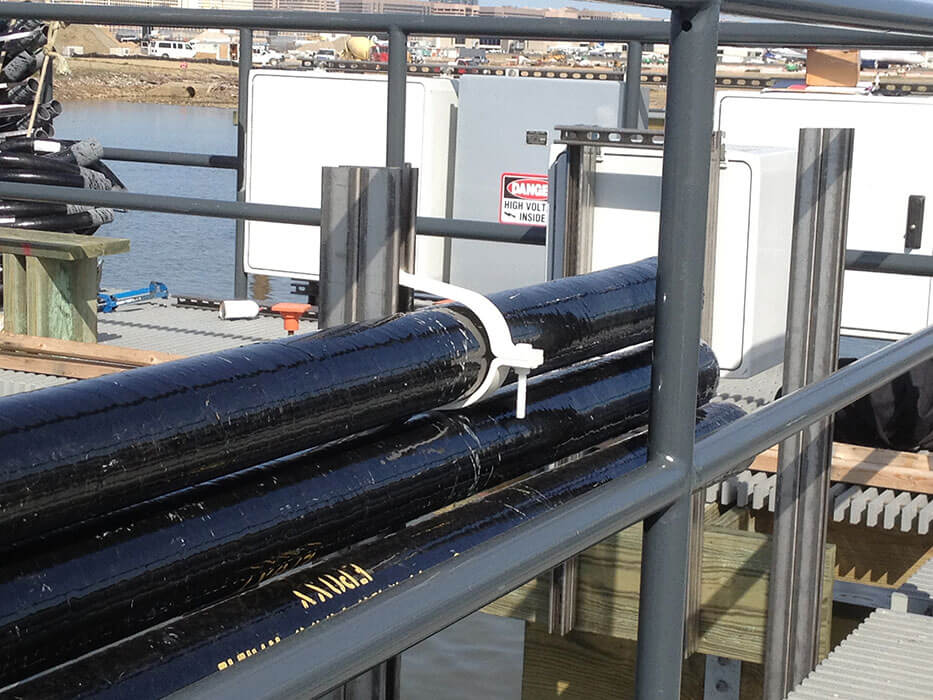
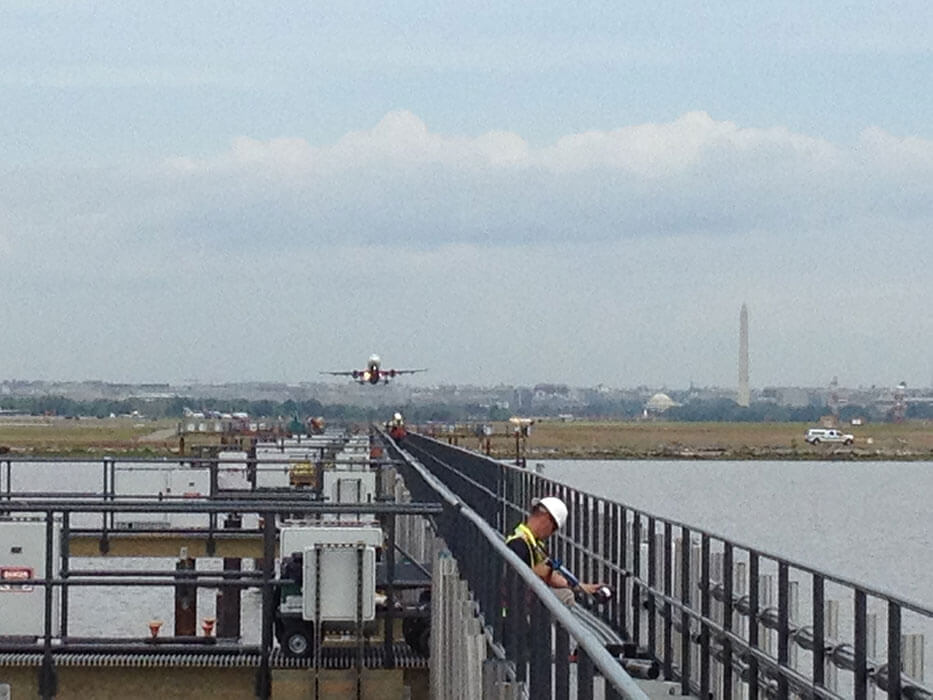
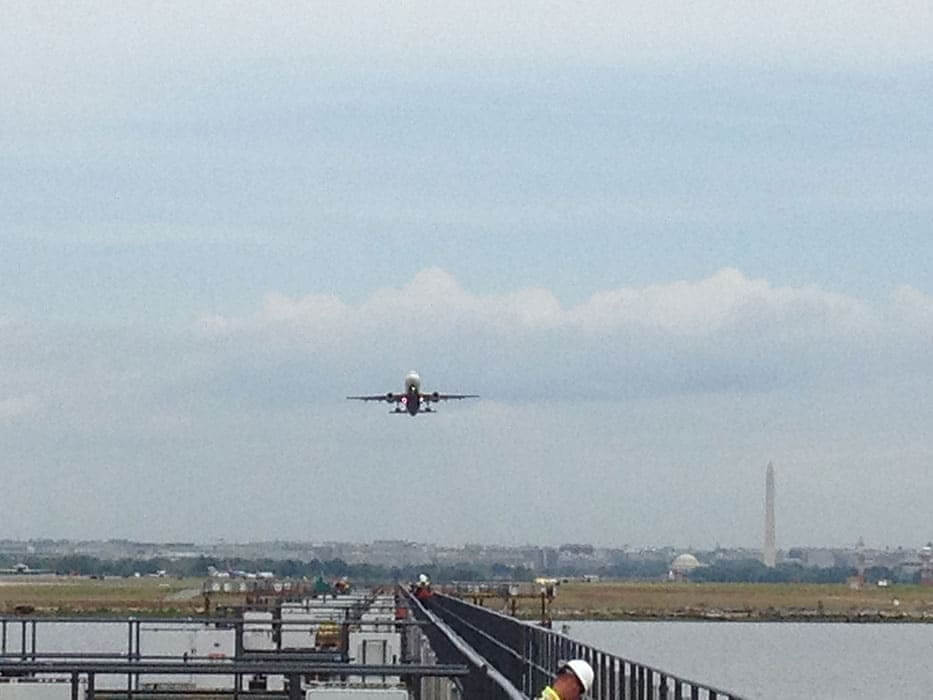
Champion Haz Duct® XW RTRC conduit is resistant to sea water, so it safeguards against saltwater corrosion, and its impact resistance stands up to the floating debris common at ports and piers. Champion Duct® is UV stable per UL 2515 and CSA C22.2 No. 211.3-96, and Haz Duct® maintains its mechanical properties from -60°F to 250°F. For marine support framing, Champion Strut™ was used at the Reagan National Airport runway pier. Champion conduit has also served the Monterey Bay Coast Guard Pier and the Port of Galveston.
Yes. Champion Fiberglass is compliant with the Build America, Buy America (BABA) Act, enacted November 15, 2021 as part of the Infrastructure Investment and Jobs Act, and publishes a current compliance certificate dated January 2026. Champion Duct®, Champion Strut™, and Champion Bridge Drain™ are made in the Spring, Texas facility, and all Champion conduit, elbows, and fittings are manufactured in the U.S.A. and marked as such, supporting federally funded port authority and coastal infrastructure.
Non-metallic RTRC fiberglass conduit resists corrosion in coastal infrastructure because it has no steel to rust and no coating to separate. Champion Duct® and Champion Haz Duct® XW pair that corrosion resistance with UV stability, impact resistance, and low-temperature performance that allows year-round installation. Because fiberglass conduit can weigh as little as one-twelfth of other conduit types, it also simplifies over-water work, which is why it was selected for brackish-water pier lighting at Reagan National Airport.
RELATED CASE STUDIES
Project Photos
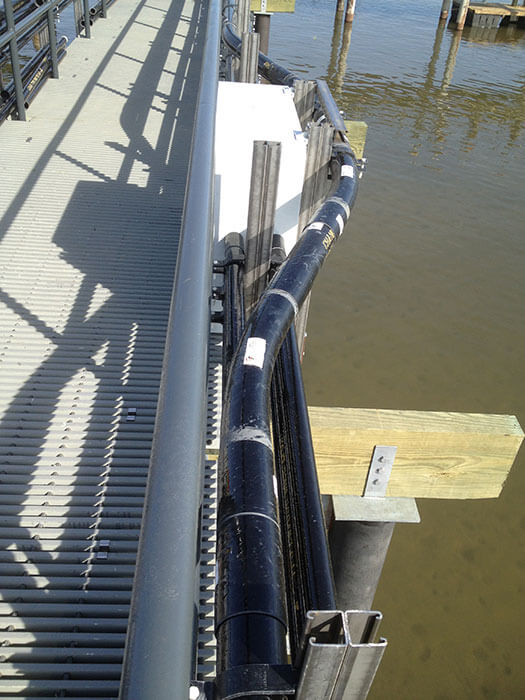
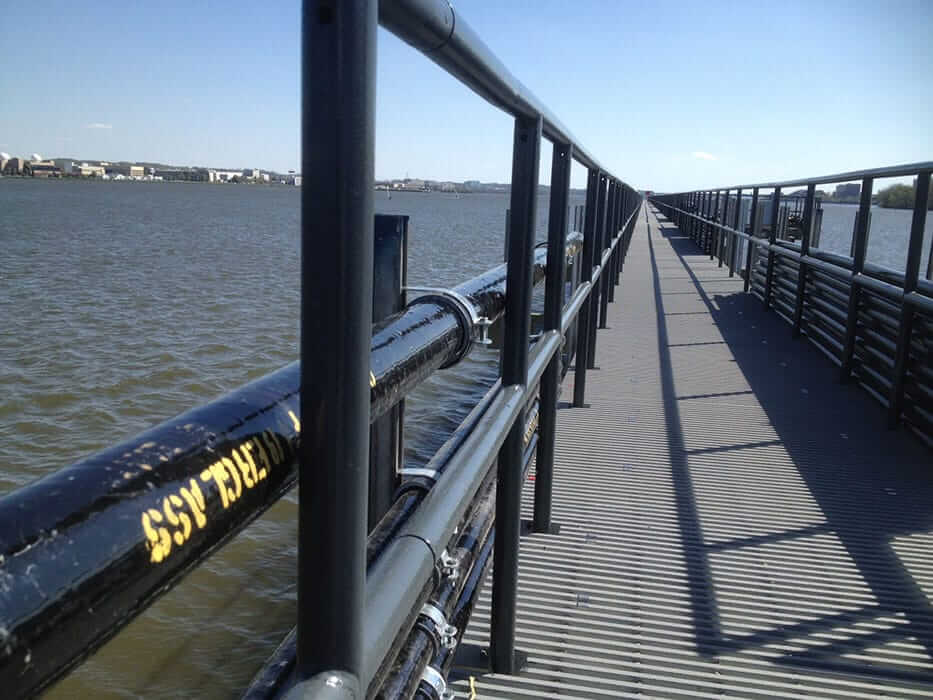
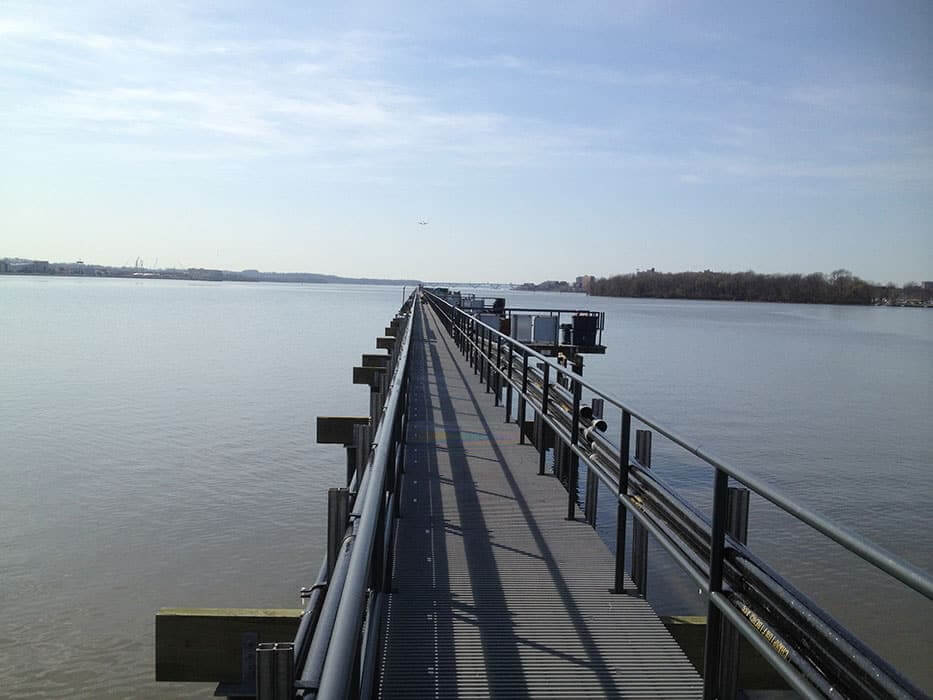
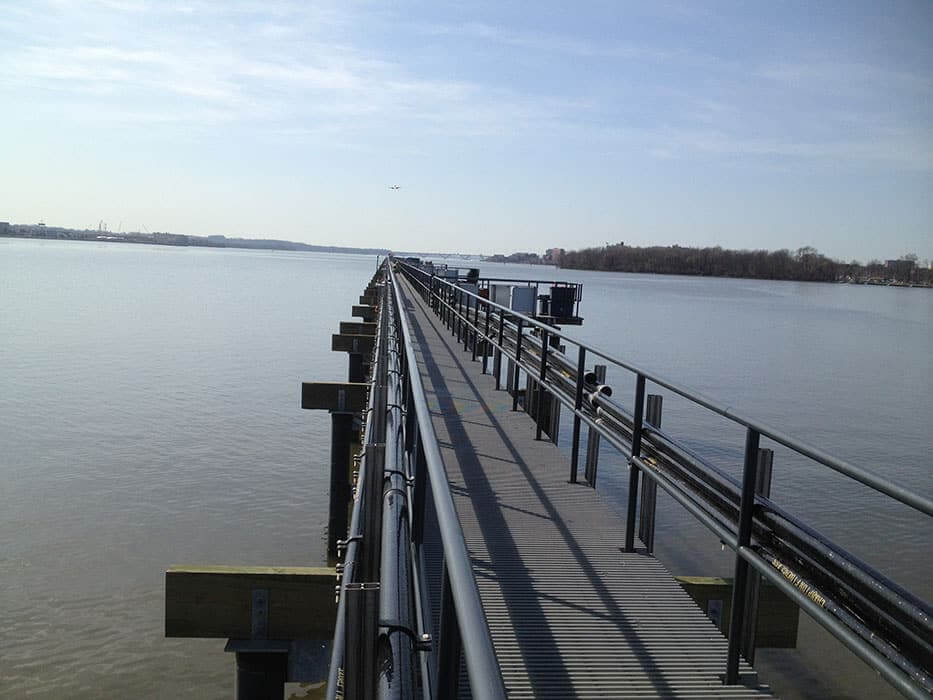
Reagan Natl. Airport – Pier – Arlington, VA
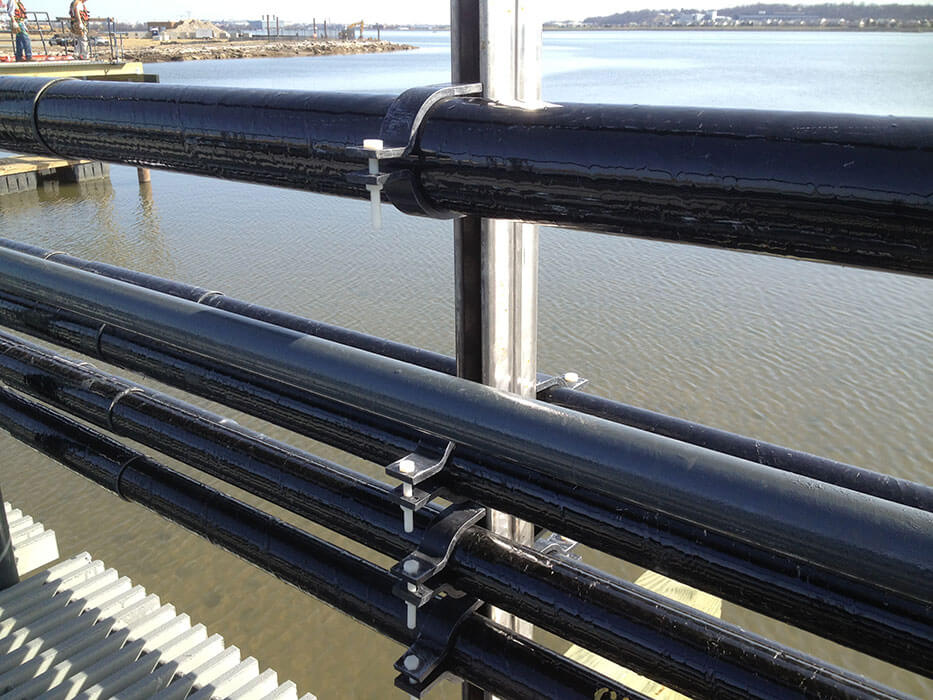
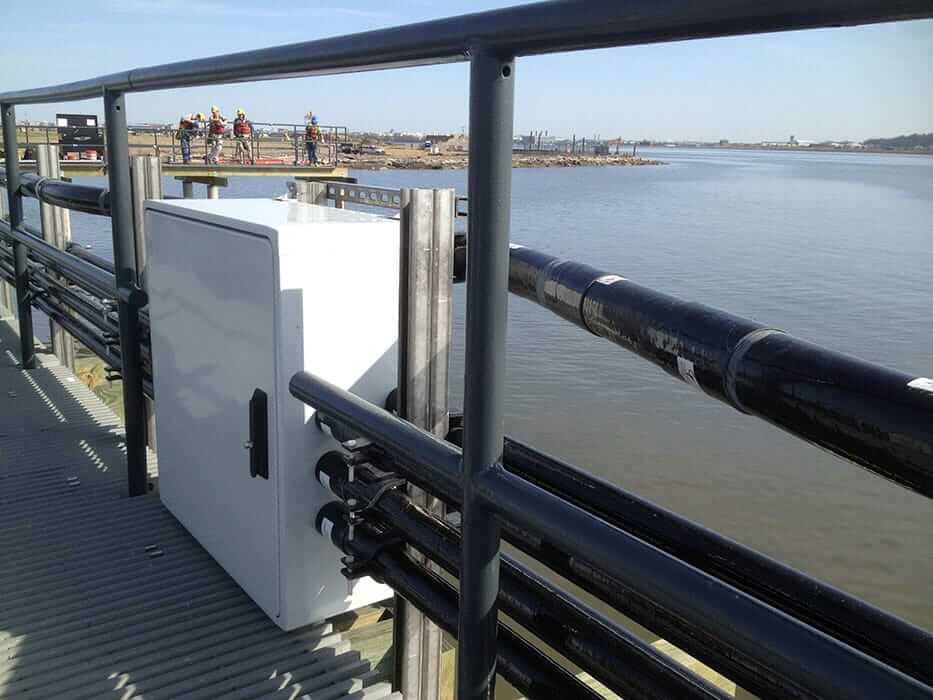
Port of Galveston – Galveston, TX