





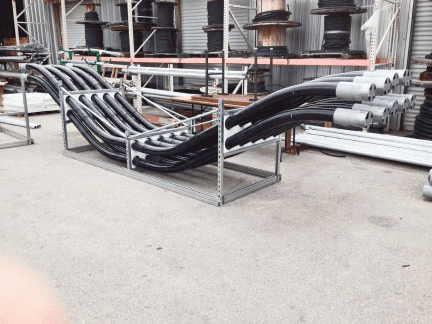


Fiberglass Conduit for Utility Infrastructure
Champion Fiberglass® conduit systems protect cable and wires of electrical infrastructure from power stations to pole risers.
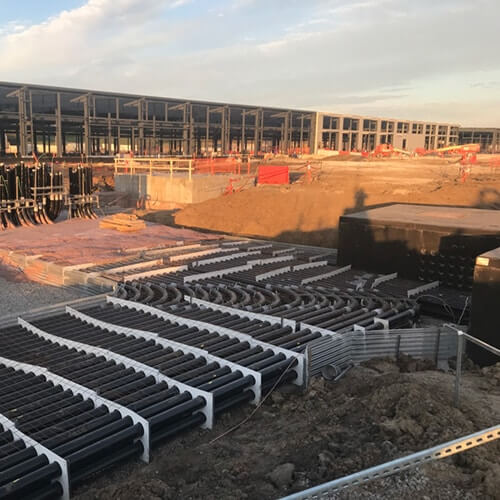
Application Overview
The United States power grid delivers $400 billion of electricity across seven million miles of transmission and distribution lines. It is a system comprised of generating plants, wires, transformers and substations for homes and businesses that are a part of the world’s largest economy.
Electrical conduit, used to protect wire and cable from generating facilities through distribution to the end-user, is a crucial piece of the power grid. That’s why electrical engineers and electrical contractors rely on Champion Fiberglass to deliver strong, durable conduit solutions that protect America’s infrastructure of wire and cable. Our products have been used successfully in hundreds of utilities projects since 1988, including Dominion Power, Westar Energy, Hoover Dam, TVA Powerhouse, and the Niagara Falls Observation Deck.
Why use fiberglass conduit in utility applications?
Not just any conduit can help keep utilities running. Champion Fiberglass RTRC conduit is specifically engineered for optimum performance to protect cable and wires through all stages of the electrical grid. Lightweight, durable fiberglass conduit provides superior protection of infrastructure, and is cost-competitive on conduit sizes 2” and above.
Lightweight conduit helps facilitate smooth utility installation whether above ground or below ground, and thanks to lower installation rates project owners get the best of both worlds. Fiberglass conduit offers both lower materials and labor costs for projects, per the NECA Manual of Labor Rates.
Unlike PVC pipe which is known to become brittle in low temperatures, fiberglass conduit offers excellent handling in low temperatures. Fiberglass offers a wide temperature range of -40 to +230℉ compared to PVC Schedule 40 and Schedule 80’s range of just +40℉ to +150℉ and is UV Stable per UL 2515 & CSA C22.2 No. 211.3-96, making it the right choice for year-round installations.
Innovative Solutions to Electrical Infrastructure:
In one project the distance between the concrete vaults was extended from every 250 feet using SCH80 PVC up to every 750 feet when using fiberglass conduit through the duct bank, due to RTRC’s extremely low coefficient of friction, resulting in approximately $3 million in cost savings.
Champion Fiberglass keeps the power flowing with no-fault, no-burn-through conduit for underground utilities.
For more than 35 years we’ve honed our expertise and have emerged as a trusted conduit provider for utility projects large and small. From hydroelectric power stations to pole risers to renewables like solar projects, Champion Fiberglass has completed hundreds of projects in the utility market in the United States and Canada. Whether your application calls for direct burial or raceway encased in concrete, Champion Fiberglass RTRC is a strong and durable conduit solution for your next utilities project.
Lifecycle Cost of Utility Conduit
- Utility conduit is priced over decades, not over a single install.
- Champion Fiberglass RTRC conduit qualifies under the Build America, Buy America Act for federally funded utility work, is UL 2420 Listed for Direct Buried and Encased Buried construction, and is UL 2515 Listed for overhead utility conduit and the above-ground riser transition.
- It is approximately 15X lighter than PVC-coated steel, as published in the Champion Fiberglass Product Comparison Chart, which lowers crew size, lifting equipment and installation hours at the outset.
- Over the service life the larger saving is elsewhere: the conduit does not rust, so there are no rust-related conduit failures to locate, no coating repair intervals, and no excavation and reinstatement cost to replace failed sections of buried underground utility conduit.
Featured Product
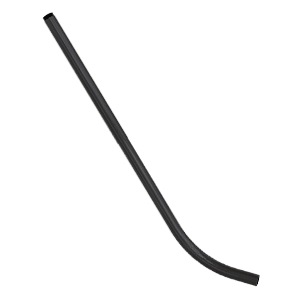
Expandable Utility Risers™
Height-adjustable, no-cut fiberglass risers that install without gluing.
Champion
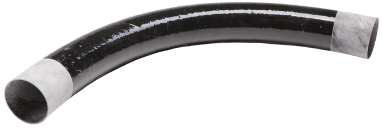
Fiberglass Elbows
Delivering labor-saving, no-burn-through fiberglass elbows, fast.
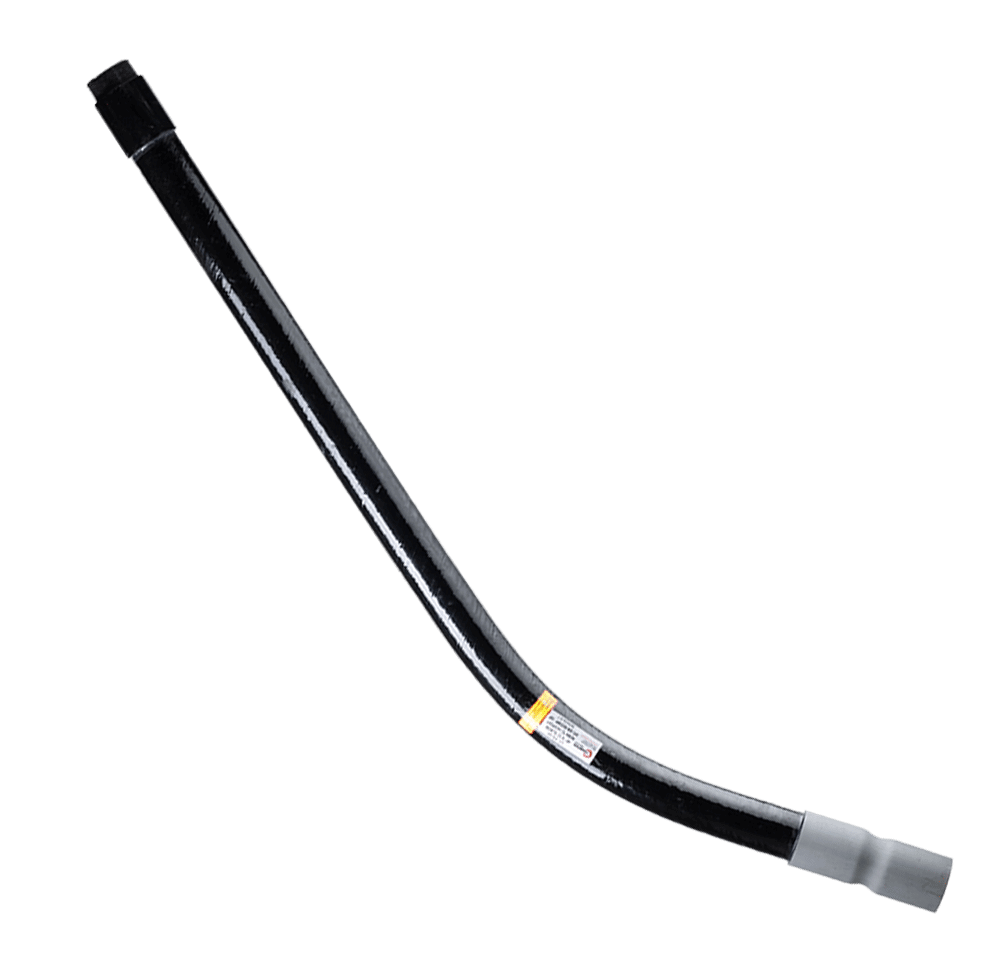
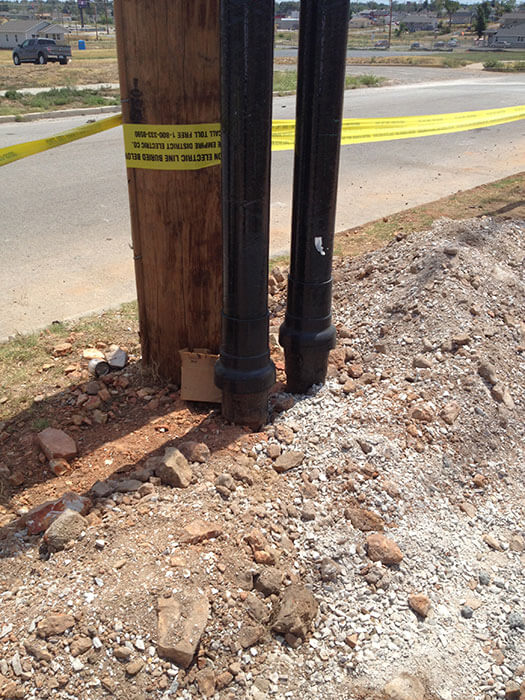
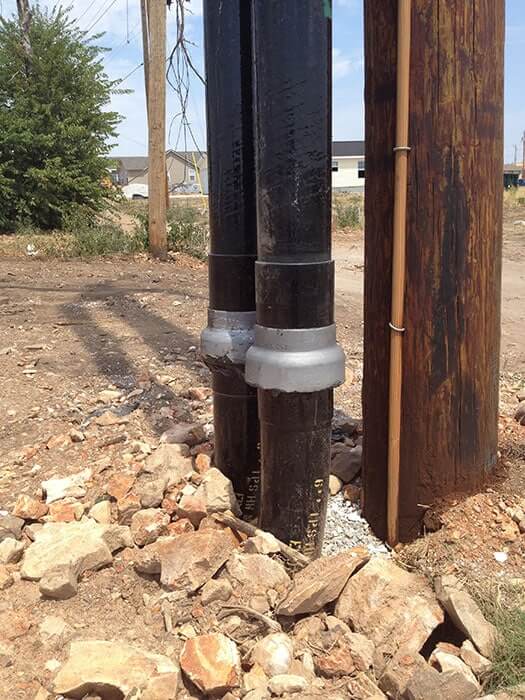
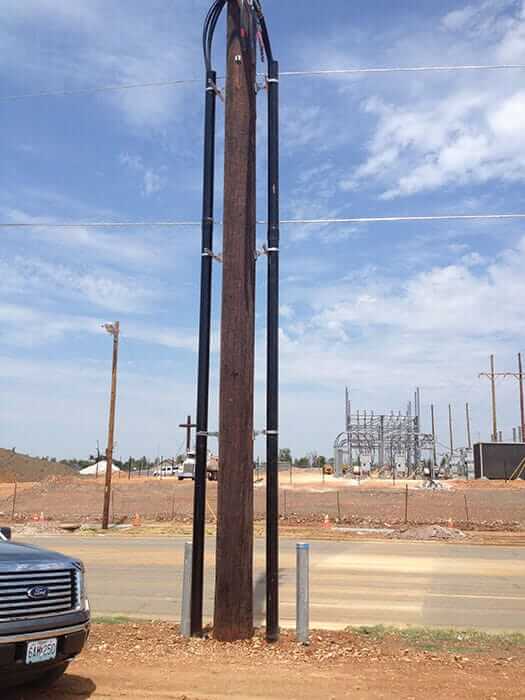
Champion Utility & Pole Risers
A lightweight, corrosion-resistant, cost-saving solution for installing cable to a meter box or electrical panel.
- CSA listed per CSA-22.2 No 211.3-96 standards
- UL 2420 Listed for below-ground installations
- UL 2515 Listed for above and below-ground installations
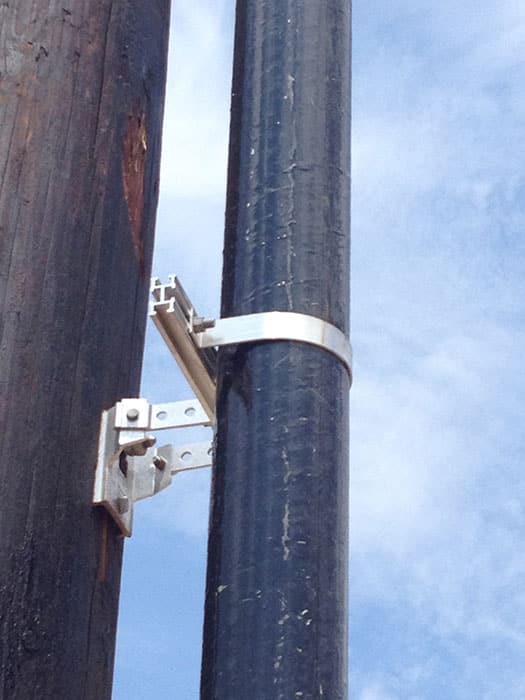
- Standard Wall, Medium Wall (UL designates Champion Fiberglass MW for 5″ and 6″ as SW), and Heavy Wall conduits are UL Listed for newly expanded support spacing distances
Like Champion FiberglassⓇ Elbows, utility and pole risers offer the same light weight, corrosion resistance, and low coefficient of friction when installing cable to a meter box or electrical panel. Utility risers can be made with many different combinations of fittings and tangent lengths to meet whatever installation situation there is.
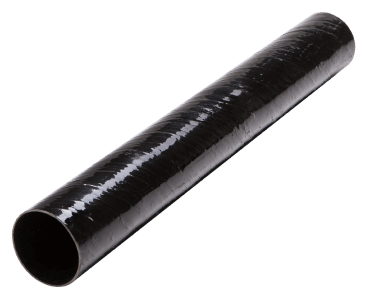
Champion
Duct®
Lightweight fiberglass conduit with unmatched versatility and strength.
- CSA listed per CSA-22.2 No 211.3-96 standards
- UL 2420 Listed for below-ground installations
- UL 2515 Listed for above and below-ground installations
- Standard Wall, Medium Wall (UL designates Champion Fiberglass MW for 5″ and 6″ as SW), and Heavy Wall conduits are UL Listed for newly expanded support spacing distances
Champion Fiberglass products are manufactured in accordance with the NEC (National Electrical Code) in Article 355: Reinforced Thermosetting Resin Conduit and listed in Article 12-1200-1220 of the CEC (Canadian Electrical Code) as Rigid RTRC Conduit.
FAQs – below ground applications, industries, and usage
Utilities specify Champion Duct® RTRC utility conduit for direct burial, concrete-encased duct banks, and above-ground runs, backed by UL 2420 and UL 2515 listings and NEC Article 355. The utility line also includes Champion Fiberglass Elbows with no-burn-through construction, Champion Utility & Pole Risers, Expandable Utility Risers™ that install without cutting or gluing, and Champion Haz Duct® XW, which replaced failed PVC pole risers to fight cable theft at a major Southeast Texas utility. Projects since 1988 include Hoover Dam.
Yes. Champion RTRC conduit is UL 2420 Listed for below-ground installation and recognized under NEC Article 355, covering both direct burial and raceway encased in concrete. Fiberglass resists the soil chemicals and moisture that degrade buried steel and aluminum, and it is cost-competitive on conduit sizes 2″ and above. Complex buried utility installations at the South Fork Wind Farm and Skipjack Solar Center used Champion conduit. Wall-thickness guidance for direct-buried and encased runs is on the Below Ground page.
Fiberglass lowers utility installation costs in three ways. It is lightweight, so Champion RTRC carries the lowest man-hour rates for most diameters in the NECA Manual of Labor Units and lower combined material and labor costs. Its low coefficient of friction allows longer pulls: at the Edwardsport IGCC Power Plant, vault spacing grew from every 250 feet with SCH 80 PVC to every 750 feet with fiberglass, saving approximately $3 million. And it does not rust, which reduces maintenance and replacement excavation over the life of the system.
RELATED CASE STUDIES
Project Photos
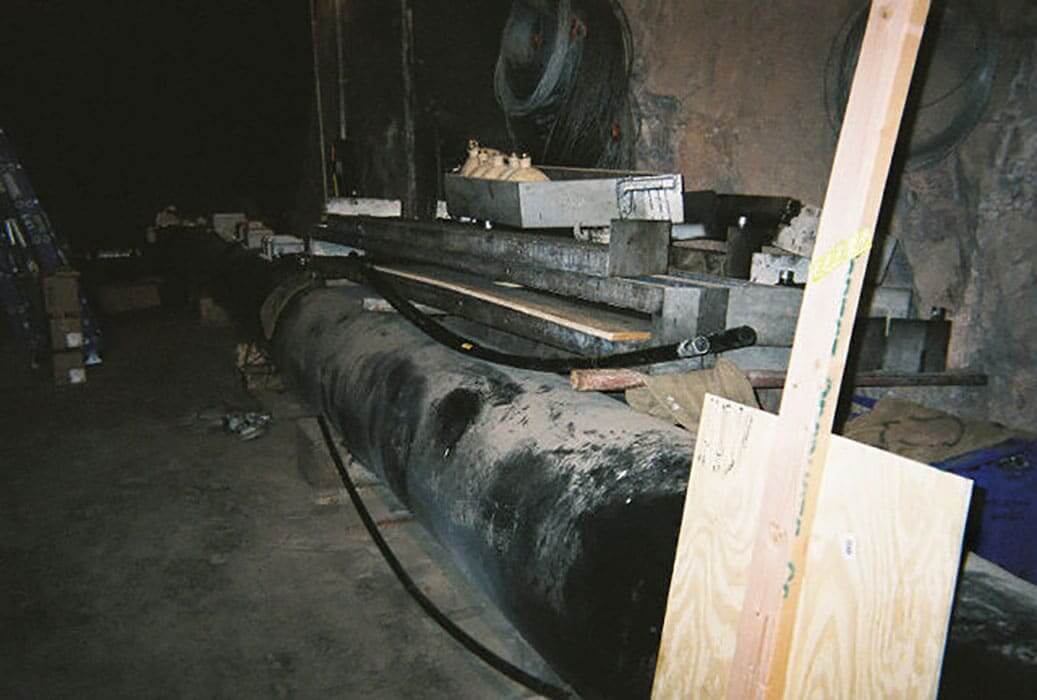
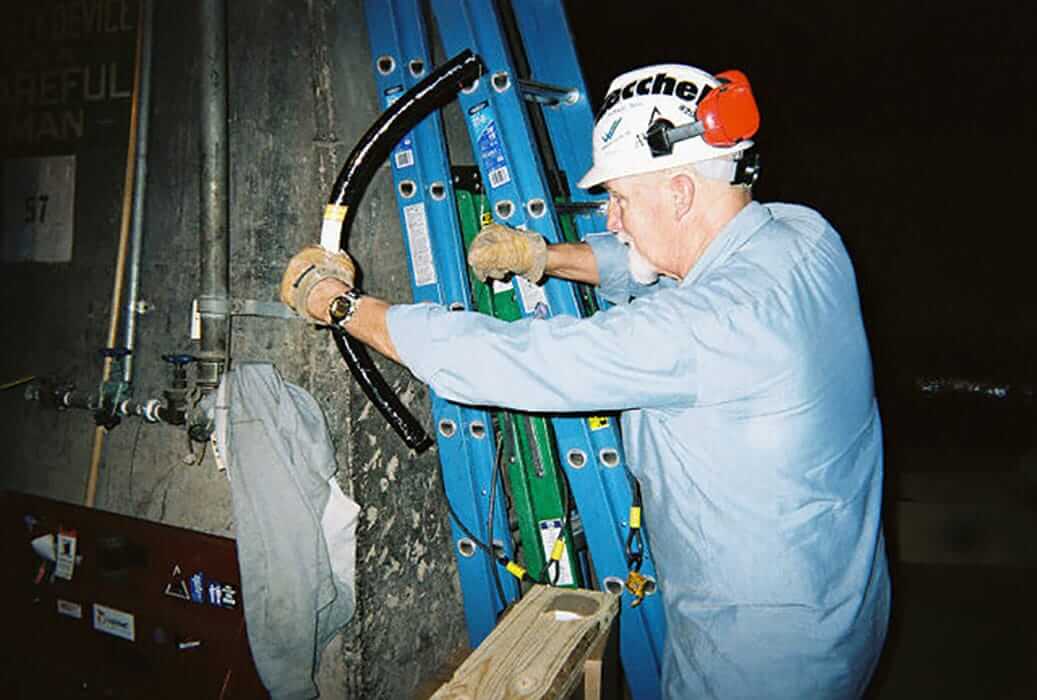
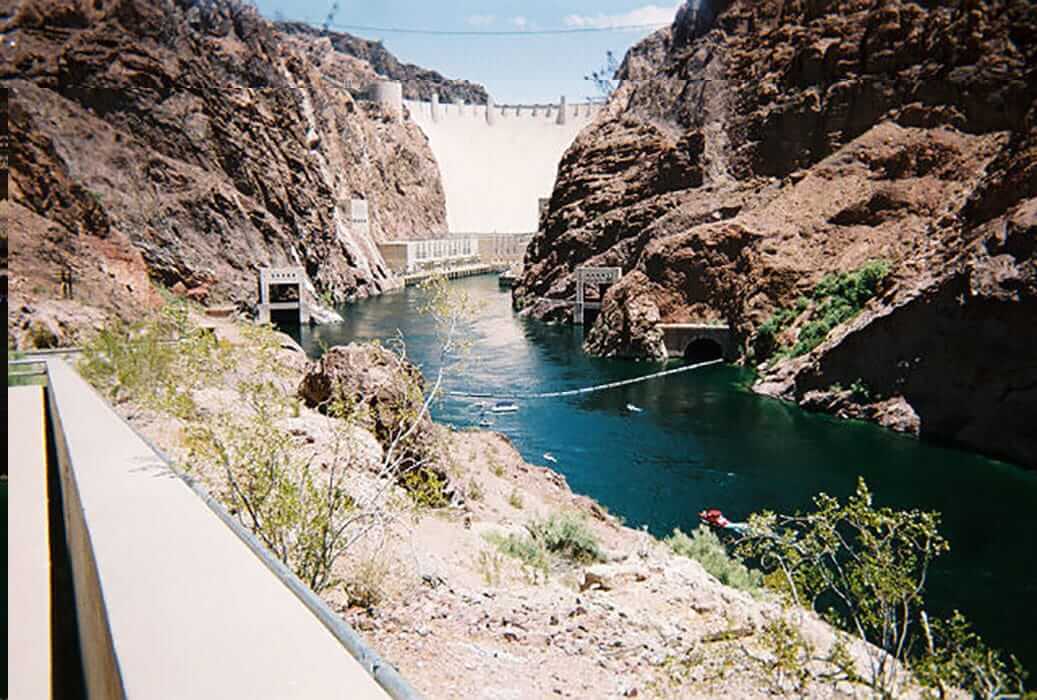
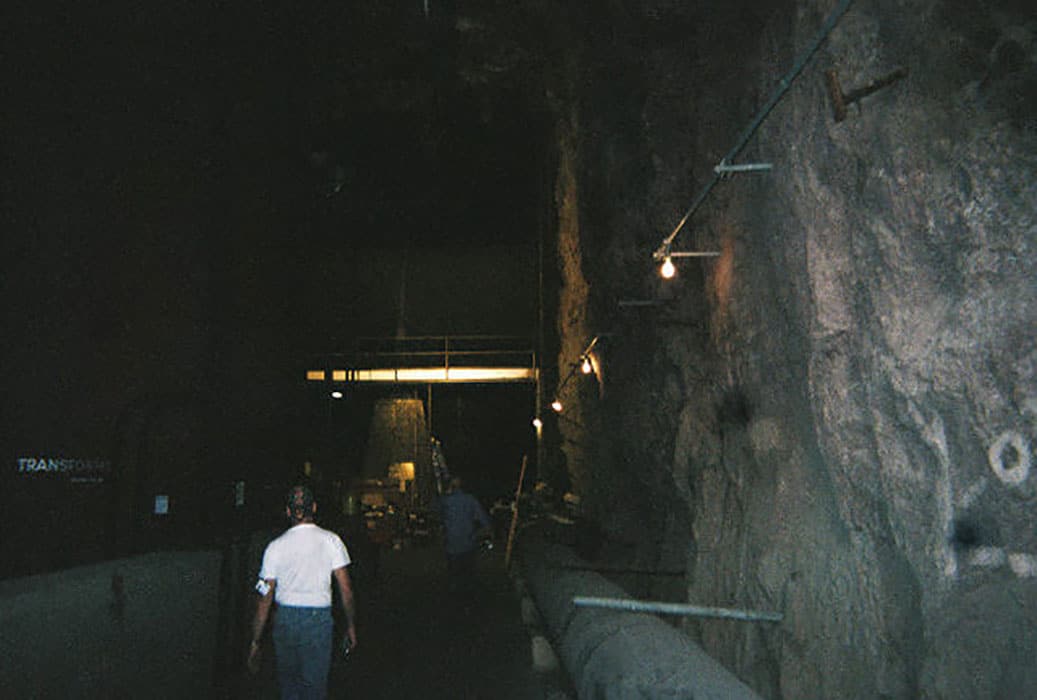
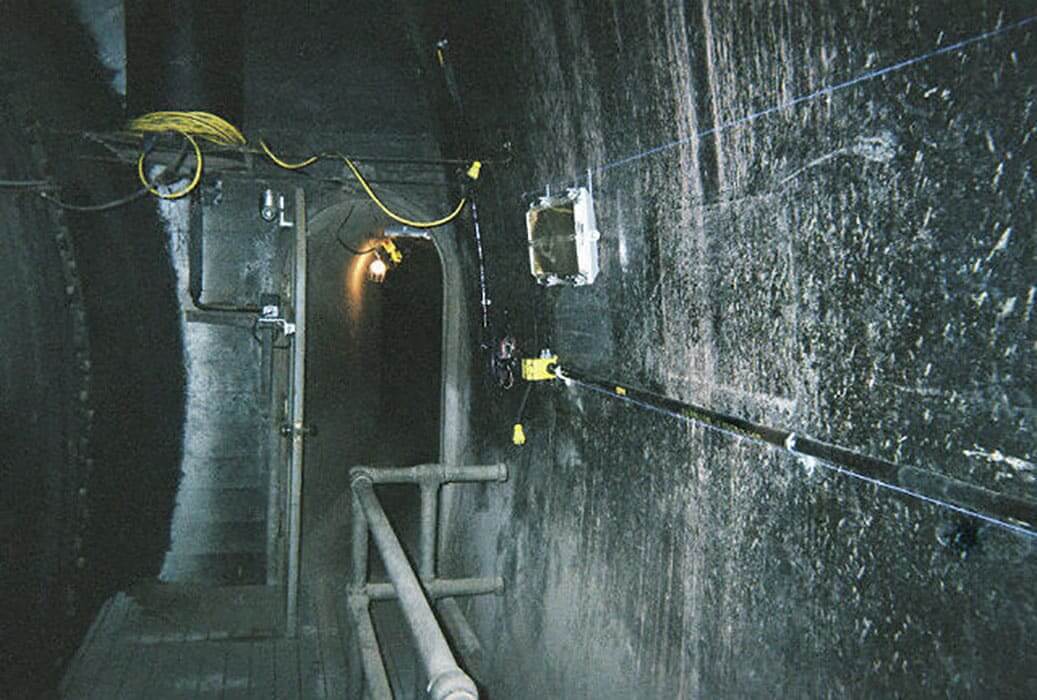
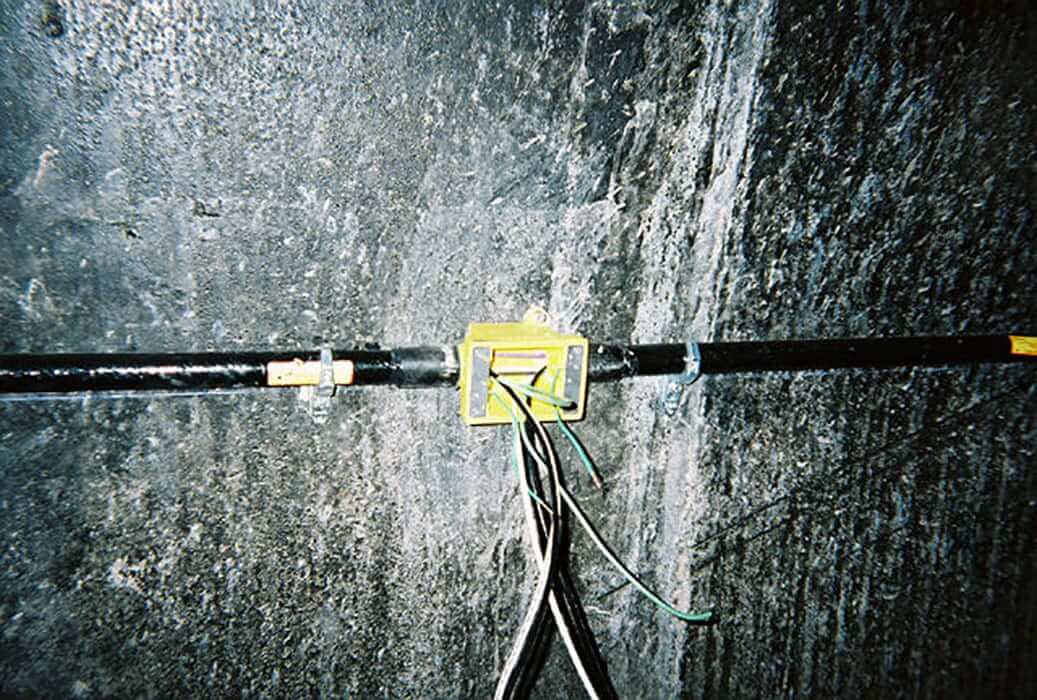
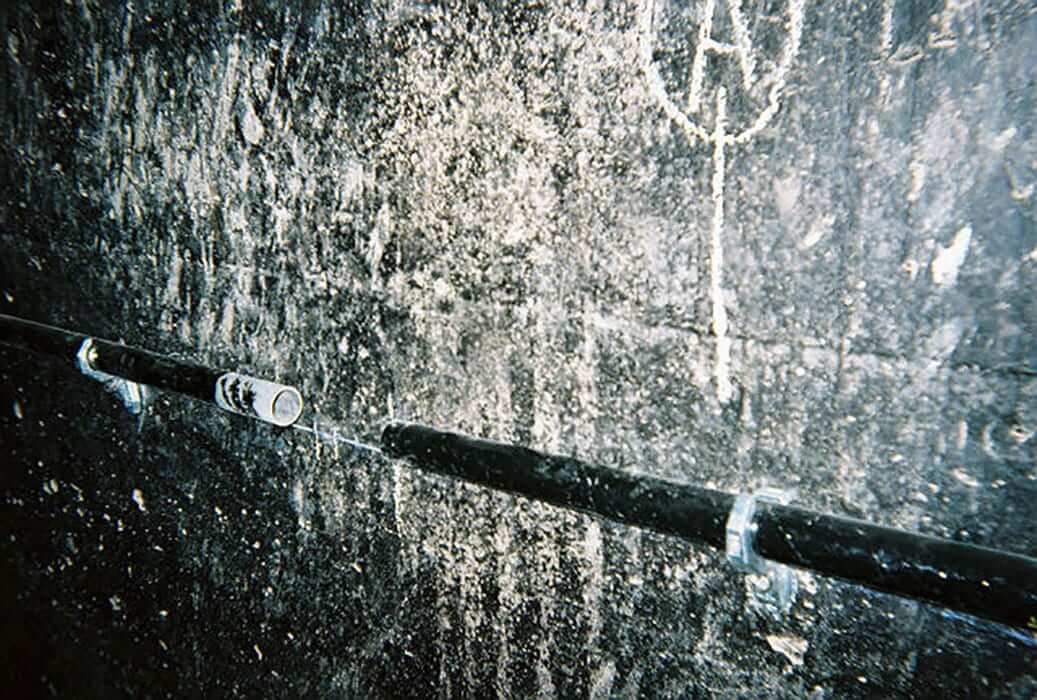
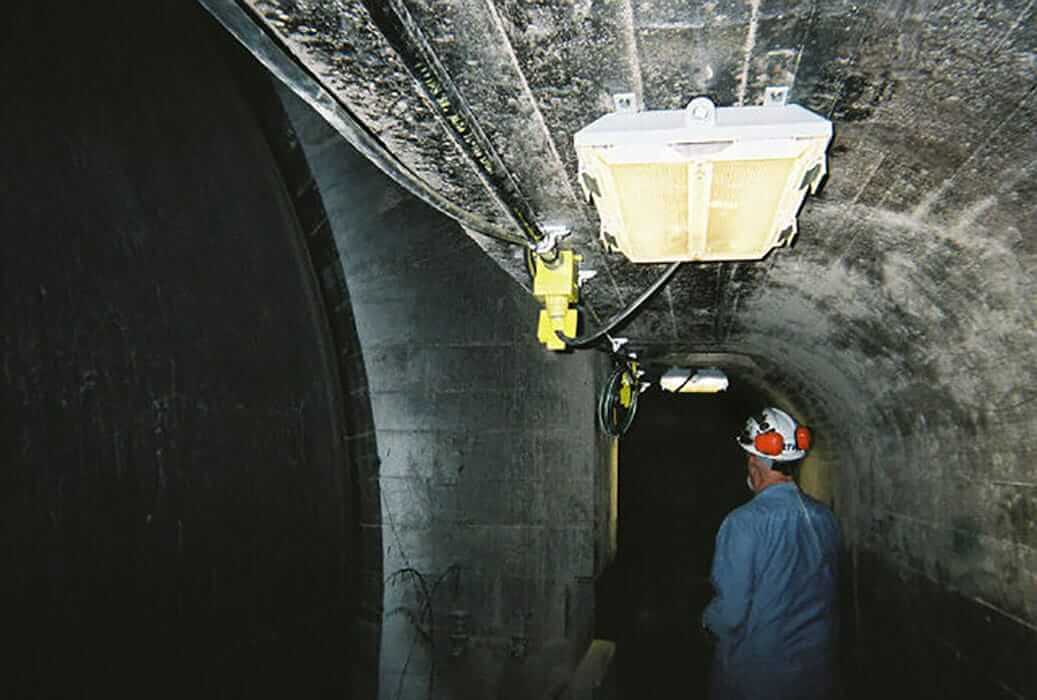
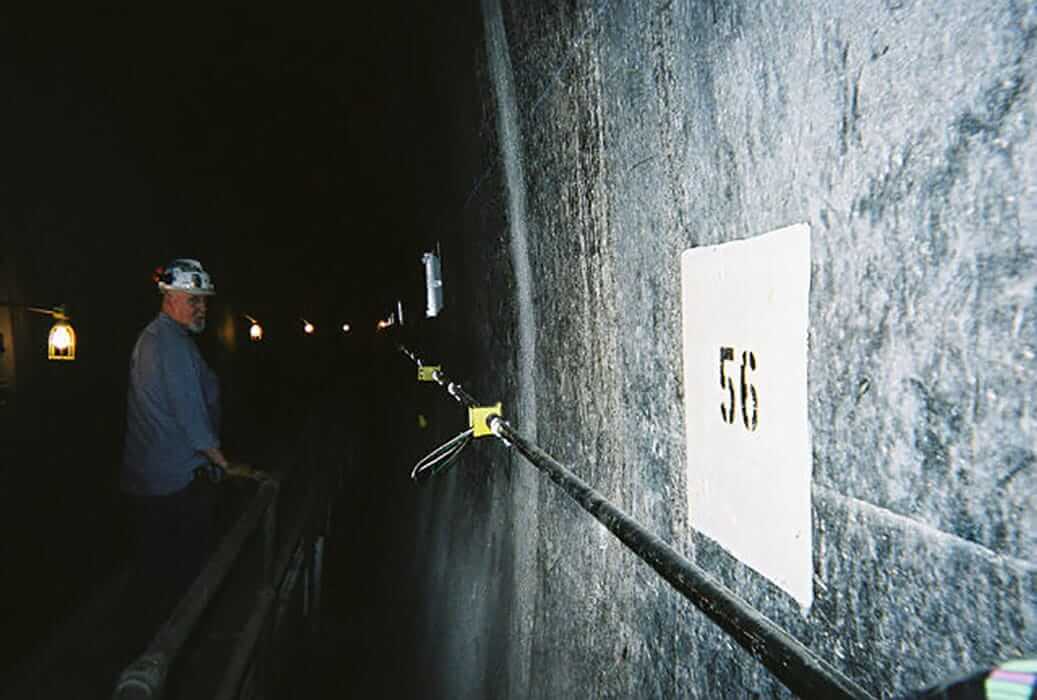
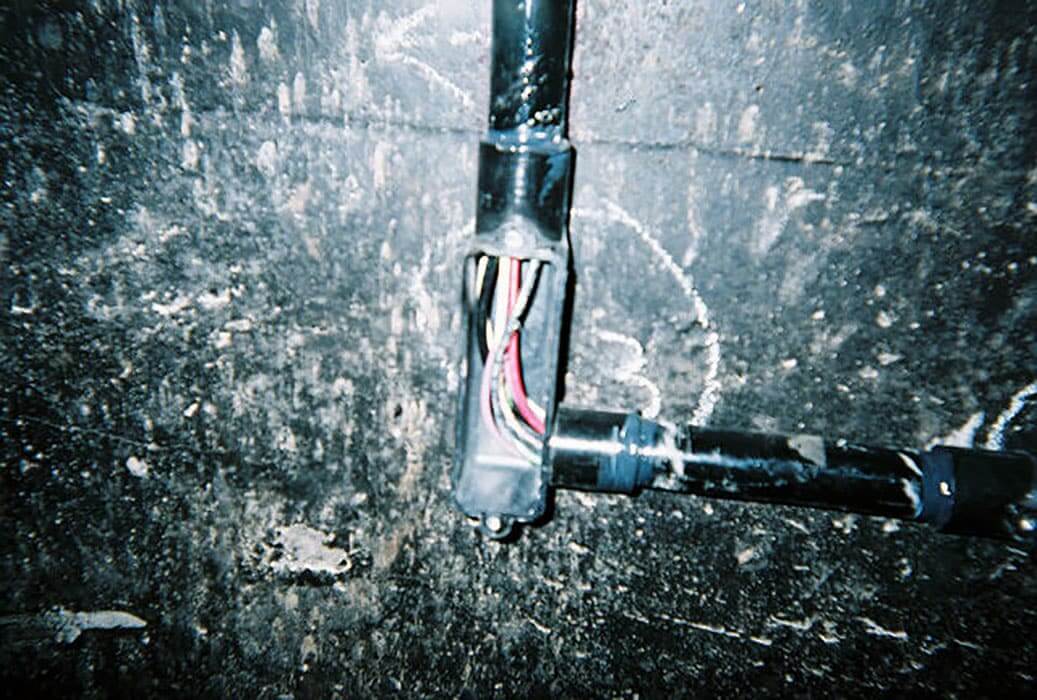
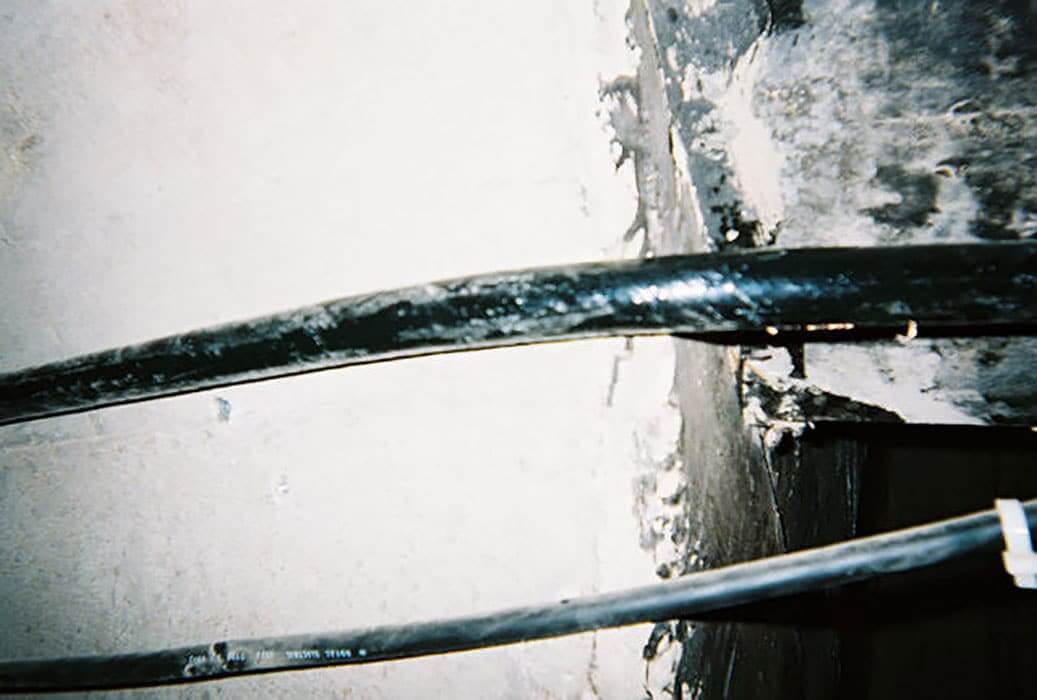
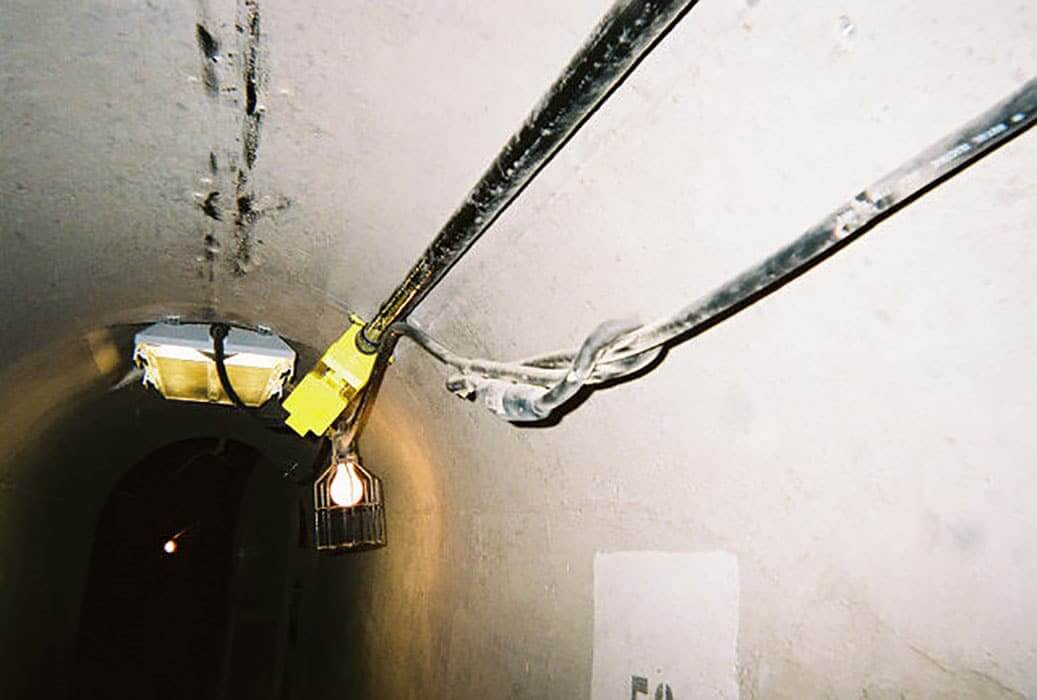
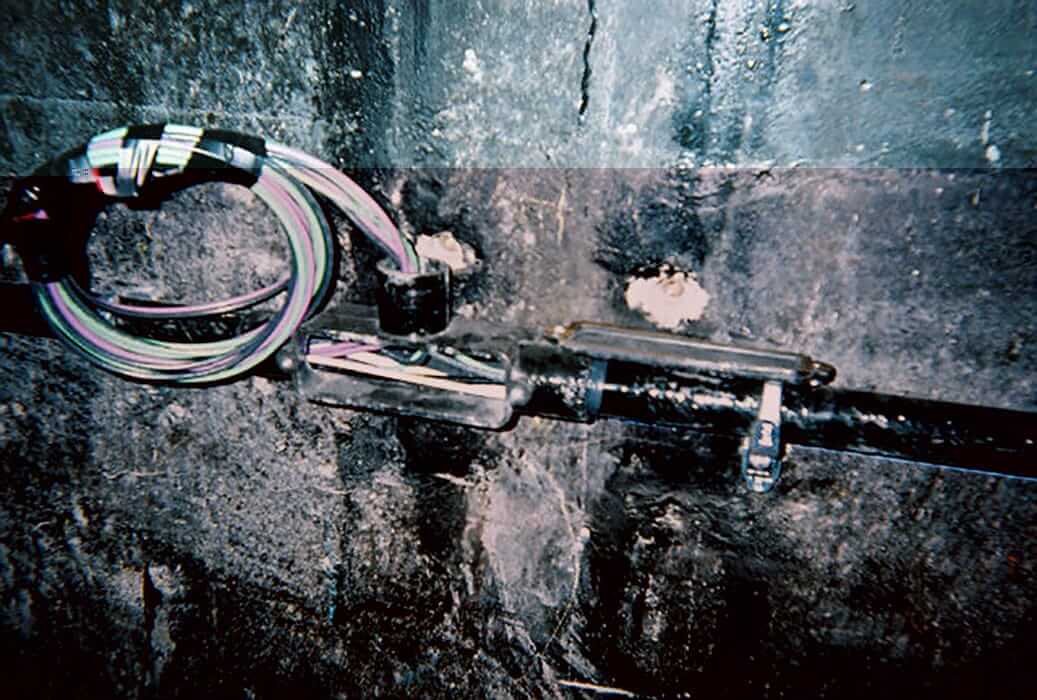
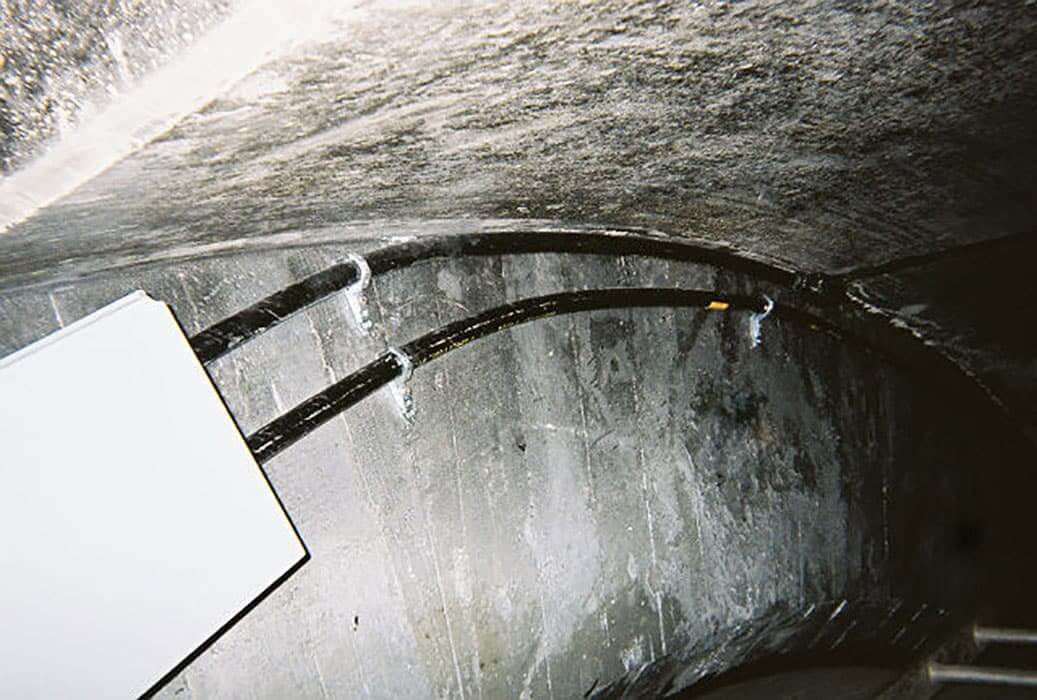
Hoover Dam – Las Vegas, NV
Vanburen Street – Chicago, IL
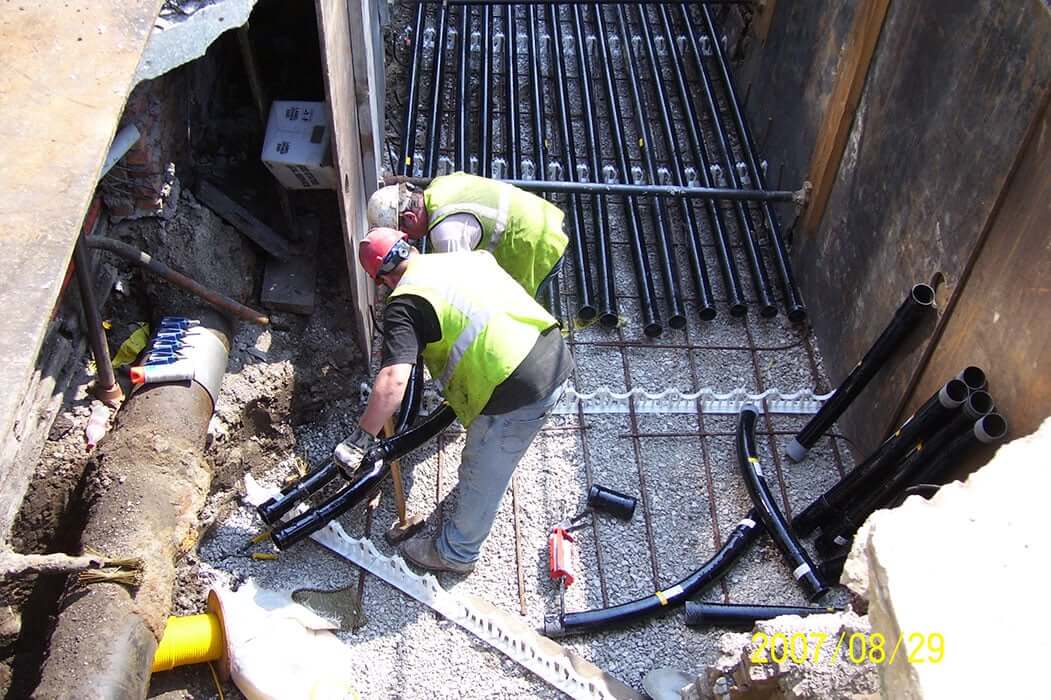
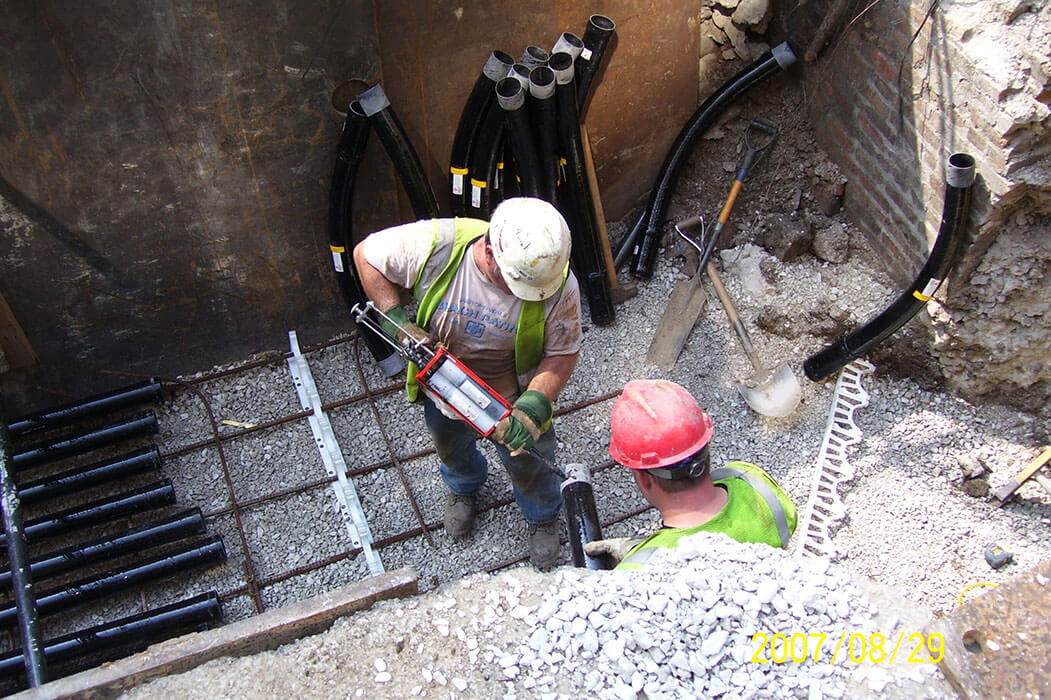
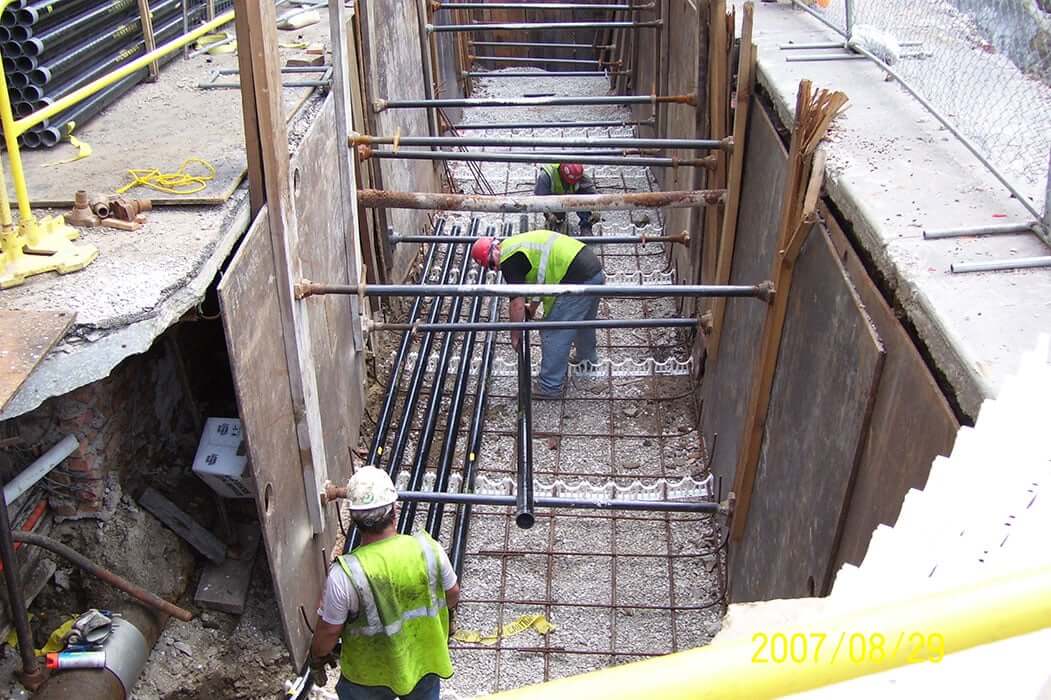
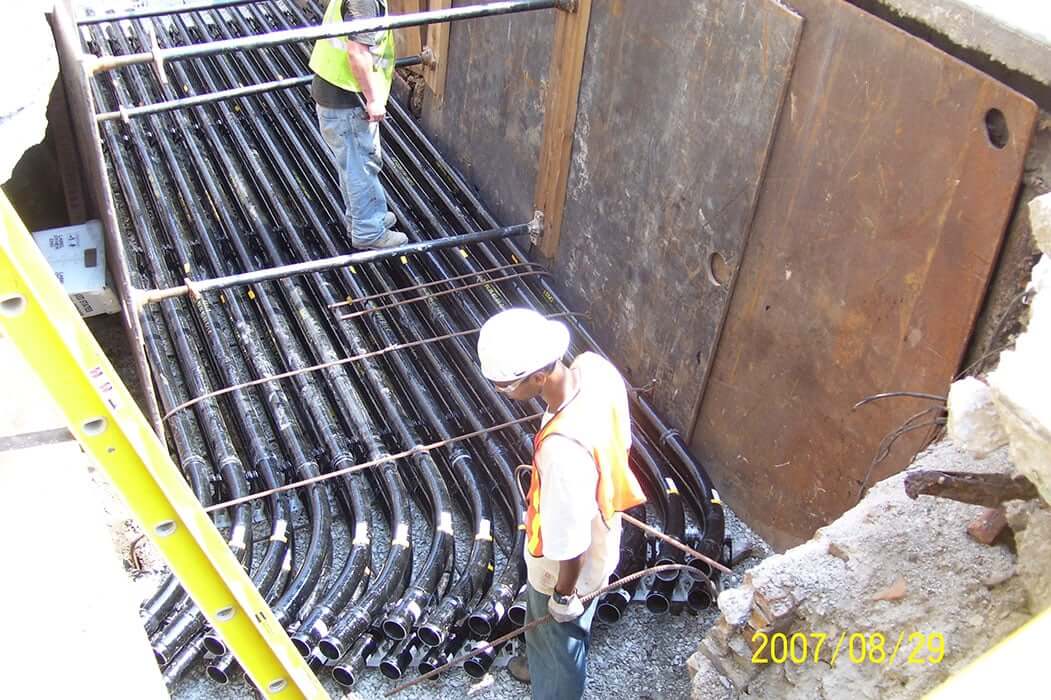
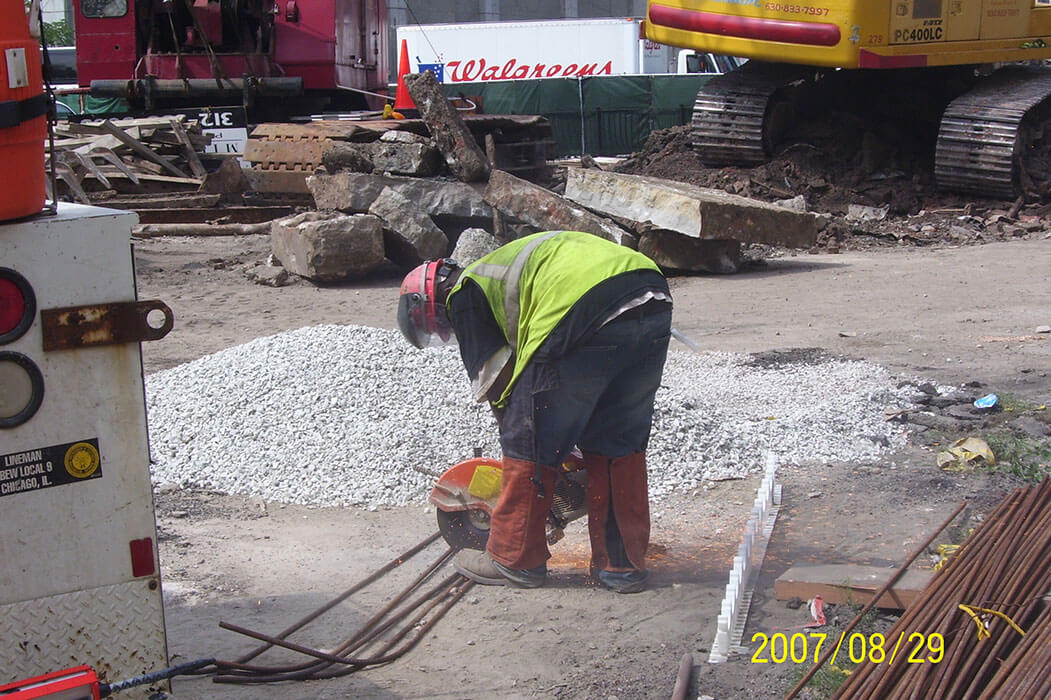
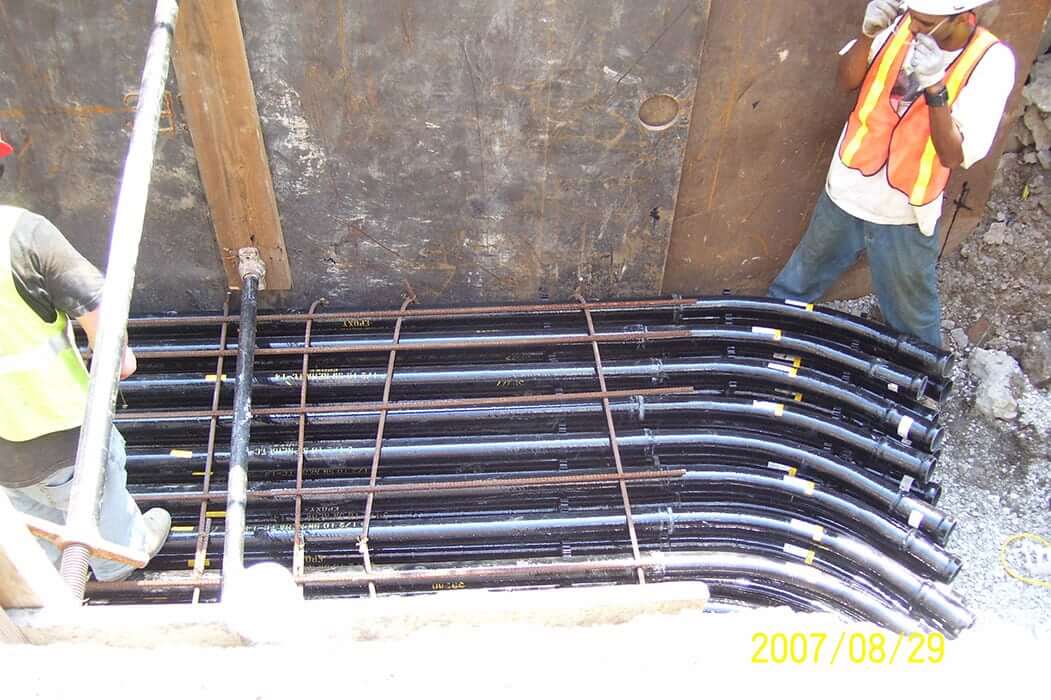
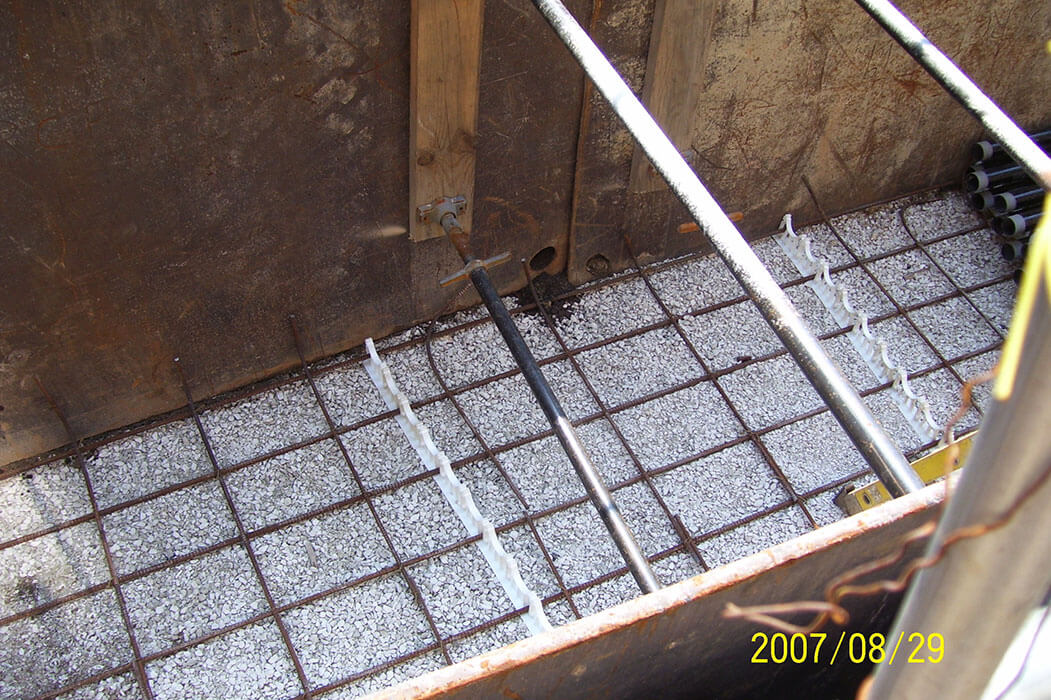
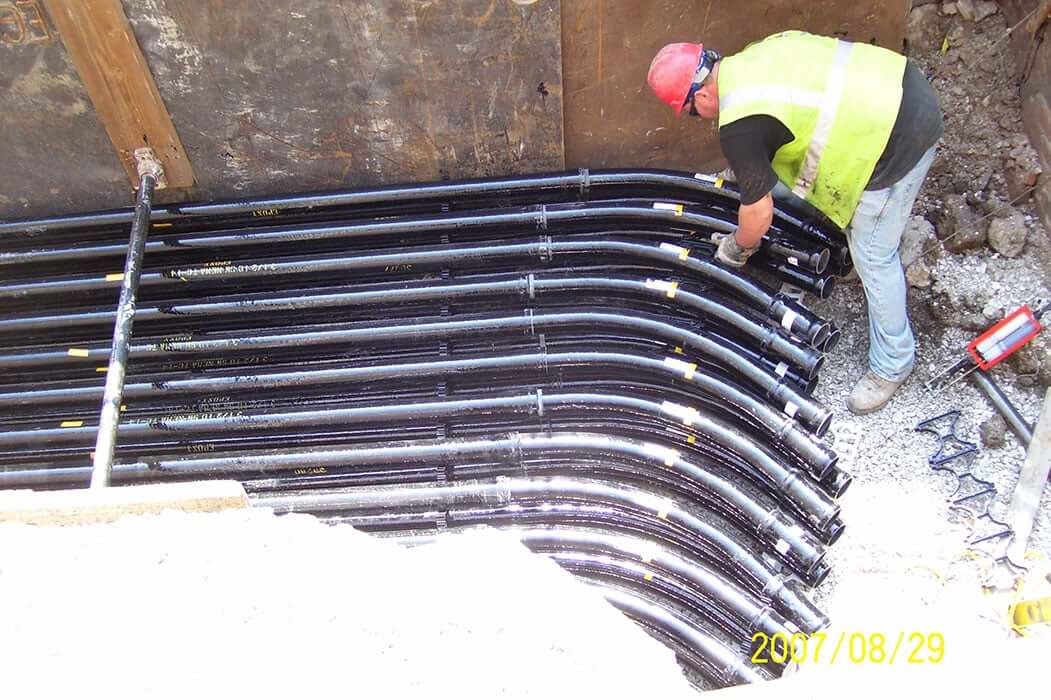
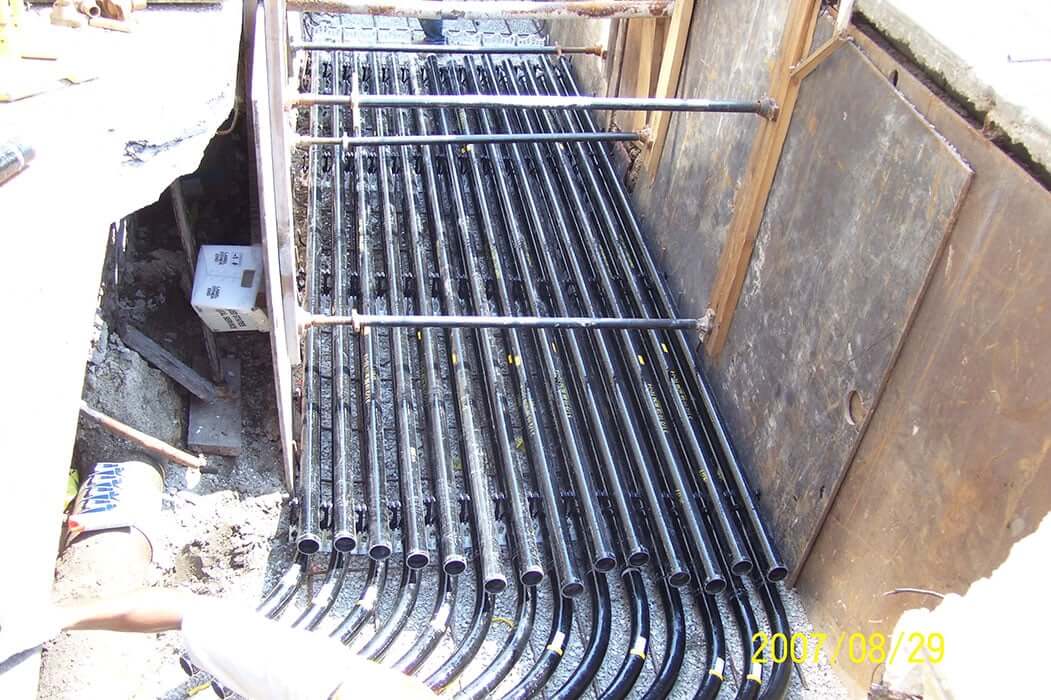
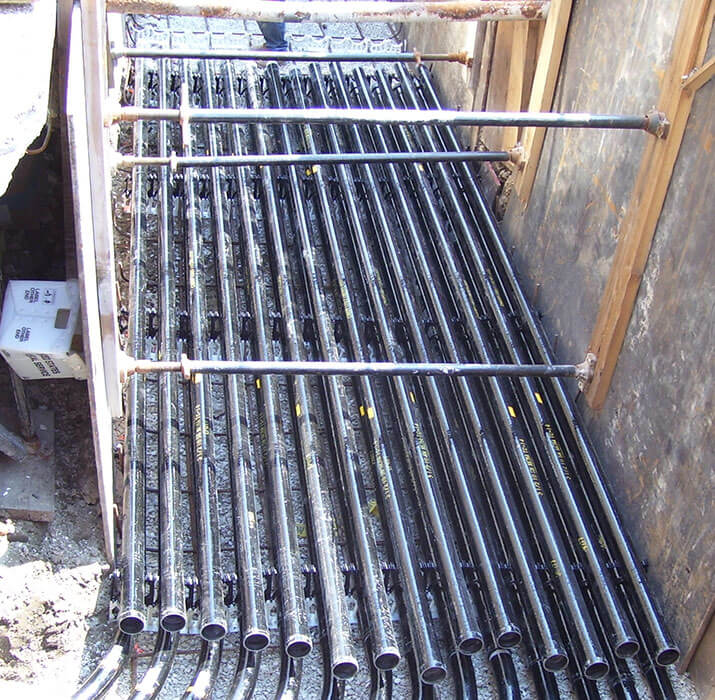
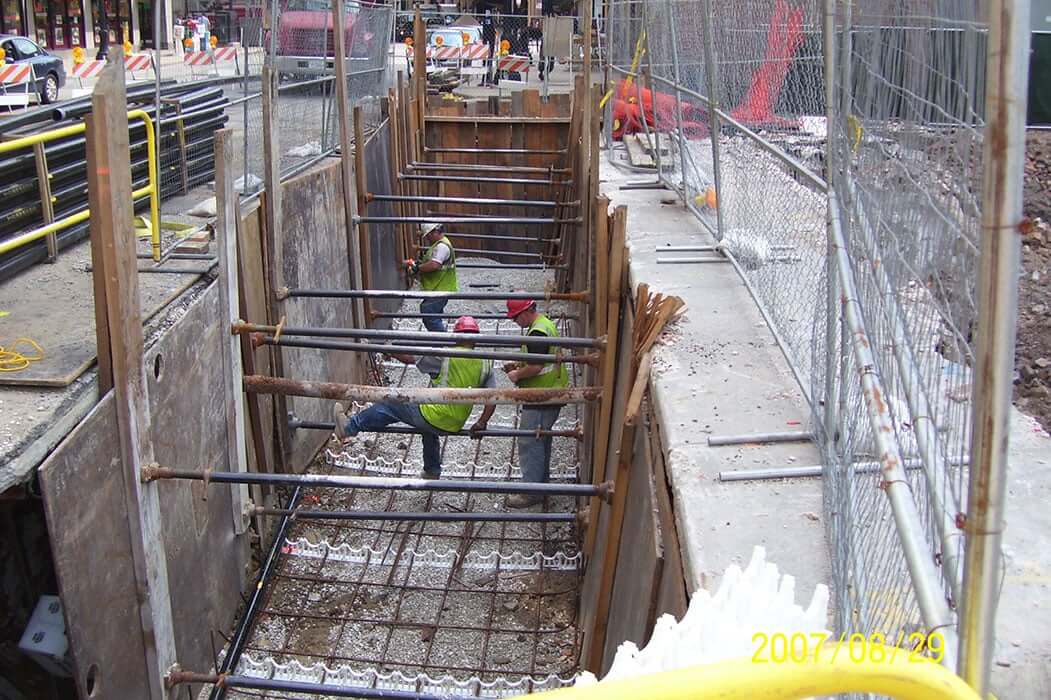
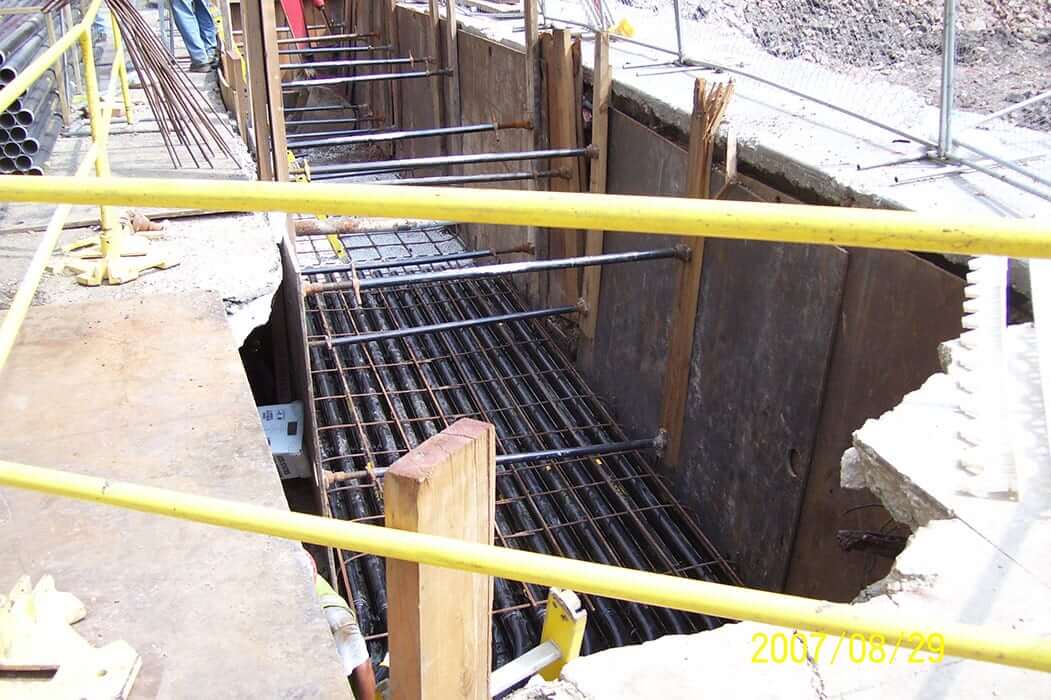
Westar Energy – Topeka, KS
TVA Apalachia Powerhouse