







Fiberglass Conduit for Mining Operations
Extreme environments of mining projects demand durable, non-corrosive conduit solutions.
Application Overview
Mining facilities can be tough on conduit. So Champion Fiberglass does more to handle corrosion, deliver long-term performance and reduce installation costs. Through high-quality, lightweight fiberglass construction, Champion Fiberglass conduit is able to withstand even the most extreme environments – while offering savings along the way.
Hazardous Location Guidance for Mining
- Mining conduit is specified against the area classification before anything else.
- Champion Fiberglass RTRC conduit applies as follows.
- Class I Division 1 covers locations where flammable gases or vapors are present during normal operation.
- Class I Division 2 covers locations where they are present only under abnormal conditions, such as an equipment failure, a containment breach or a loss of ventilation.
- Champion Haz Duct® XW Type is rated for Class I Division 2.
- It is not rated for Class I Division 1, and each area should be confirmed against the mine’s electrical drawings before it is specified.
- Non-conductivity is the second reason fiberglass is specified underground.
- As a non-conductive mining conduit, the raceway cannot become an unintended current path between equipment in wet workings where metallic conduit can carry fault current across a conductive environment.
FAQs – below ground applications, industries, and usage
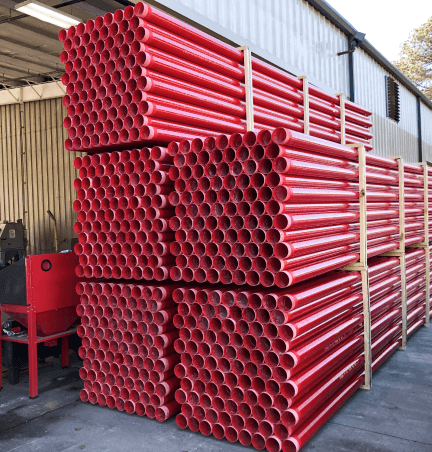
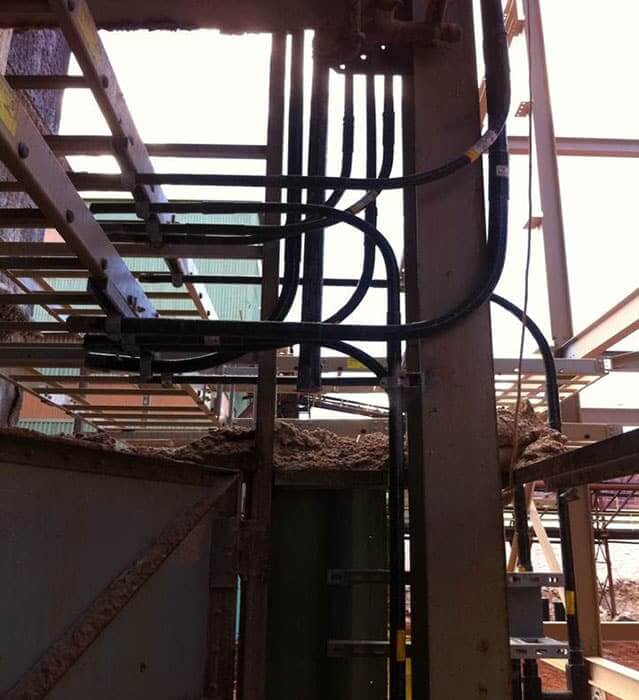
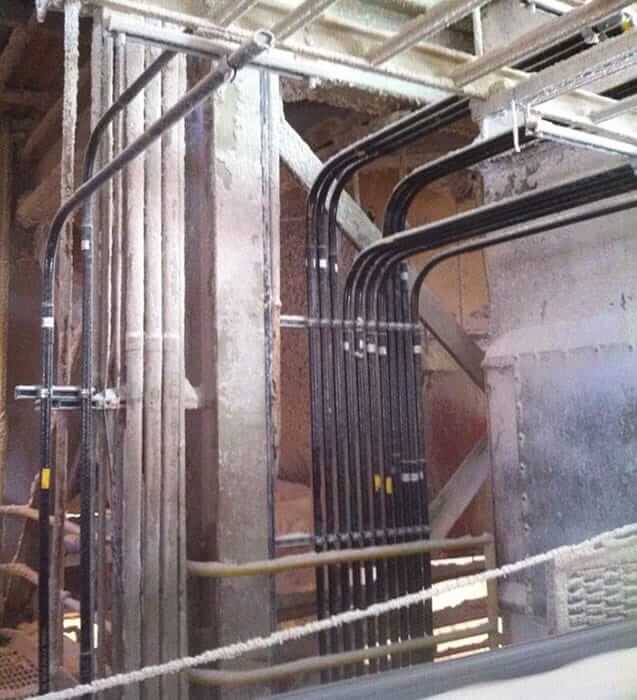
Champion Haz Duct® XW is the Champion RTRC conduit approved by the National Electrical Code for Class I, Division 2 locations, which makes it the choice for classified areas at mining and mineral processing facilities. It is UL 2515-A and UL 2420 Listed, corrosion resistant, and non-conductive. The approval does not extend to Class I, Division 1 areas. Champion conduit has been installed at Intrepid Potash in Moab, Utah, and the White Oak Resources mine in Dahlgren, Illinois. [CLIENT INPUT: confirm any mining-specific regulatory acceptance.]
Yes, in one important respect. Non-conductive Champion RTRC fiberglass conduit cannot become an unintended current path in wet underground mine conditions, and grounding bushings and exothermic grounding are not required to protect it during a cable fault. RTRC has a dielectric strength of 550 volts per mil, is recognized under NEC Article 355, will not melt or weld wire to the conduit wall under fault conditions, and does not corrode in damp mining environments. Overall safety still depends on the full electrical system design for the mine.
Class I, Division 2 is the National Electrical Code classification for locations where flammable gases or vapors are present only under abnormal conditions, such as a leak or equipment failure. Conduit installed there must be approved for that classification. Standard fiberglass conduit is not, but Champion Haz Duct® XW is NEC-approved for Class I, Division 2. At a mining operation, the requirement applies wherever the facility engineer or authority having jurisdiction classifies an area as Division 2; Haz Duct® XW is not approved for Division 1 areas.
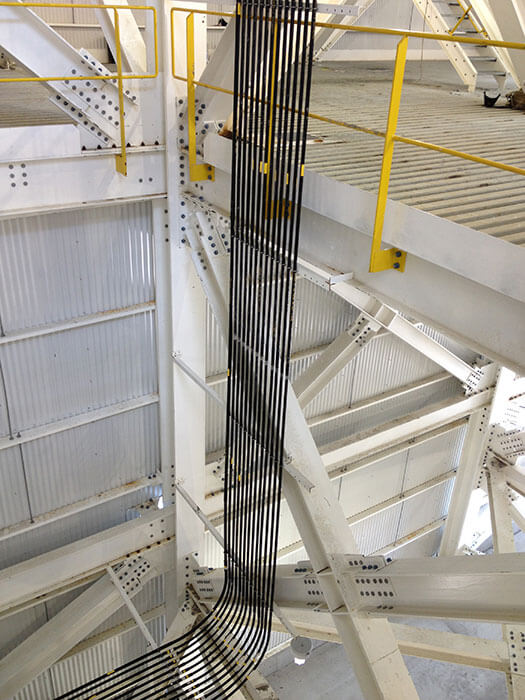
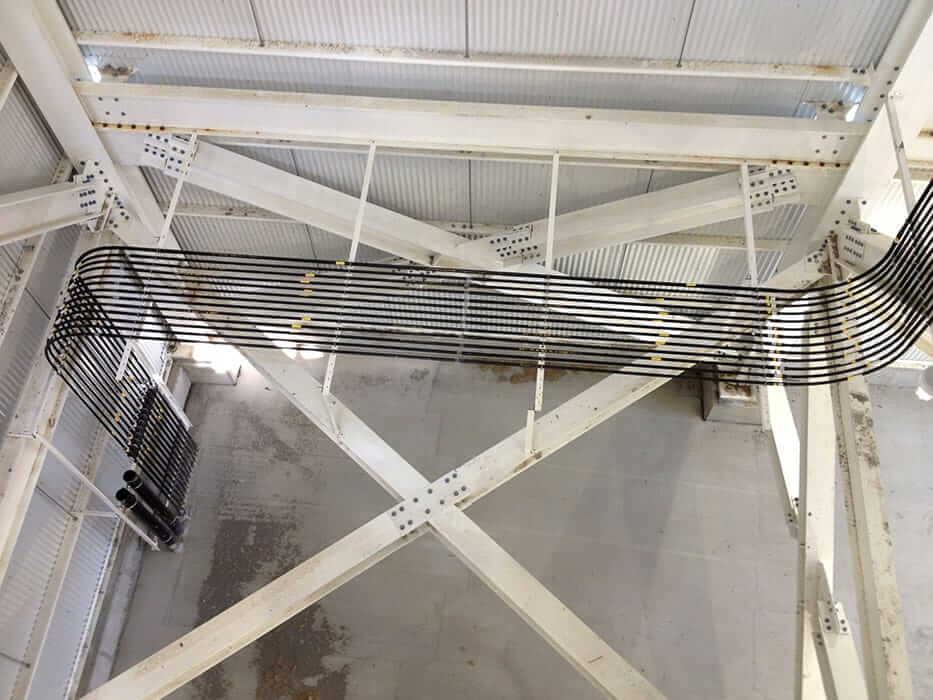
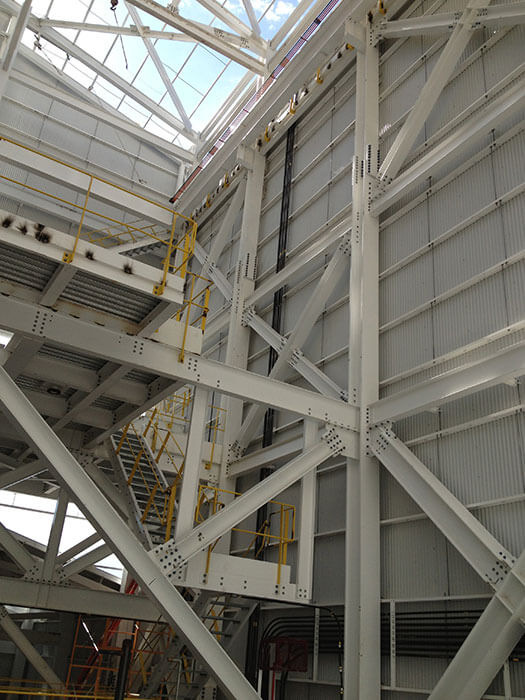
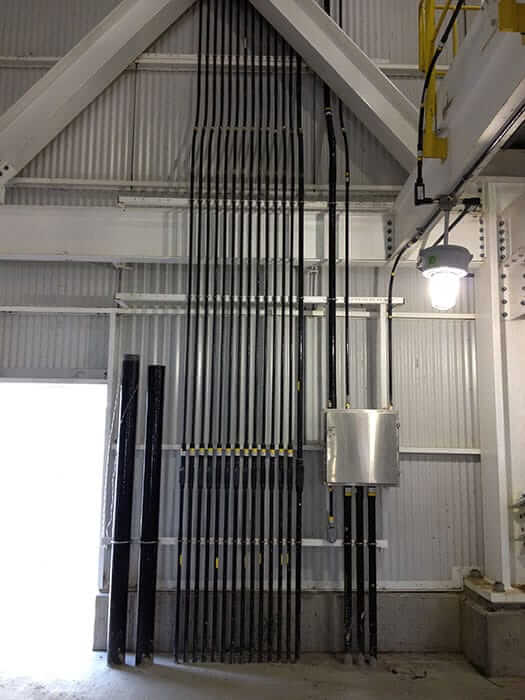
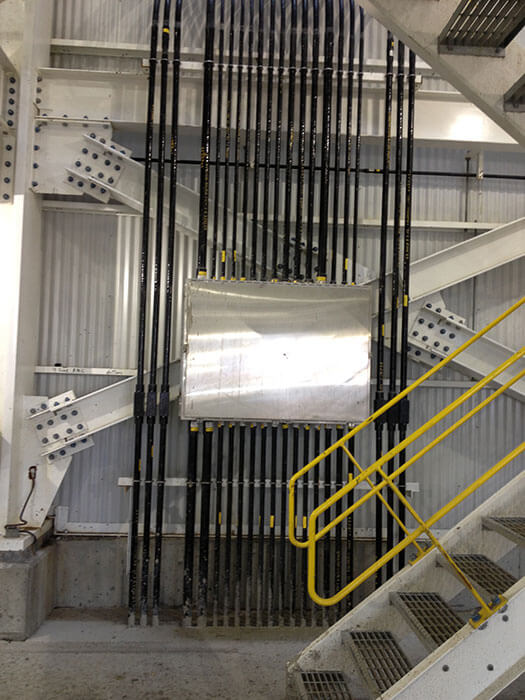
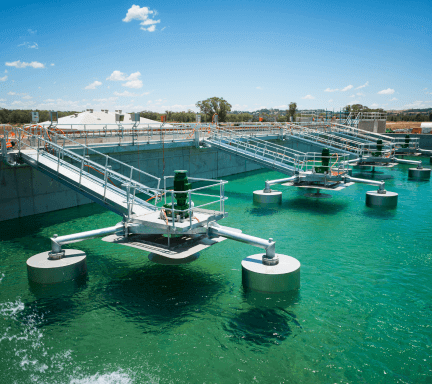
Project Photos
Intrepid Potash – Moab, UT
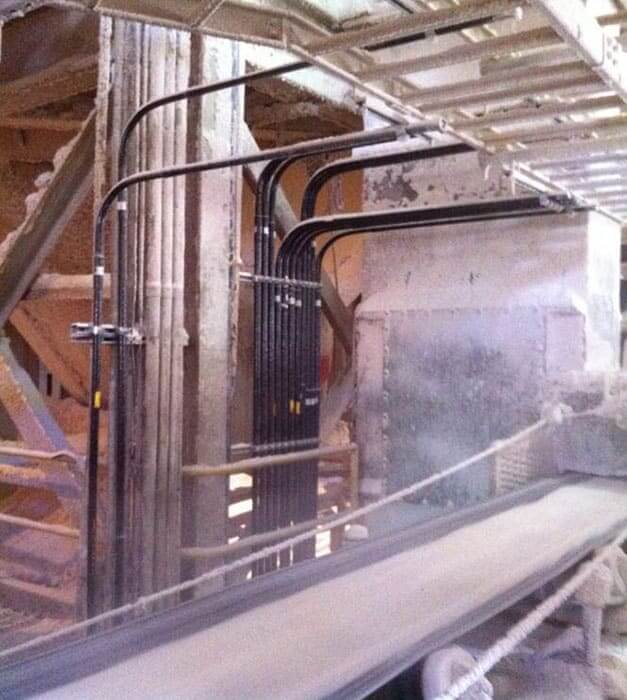
WA Parish Coal – Fort Bend County, TX
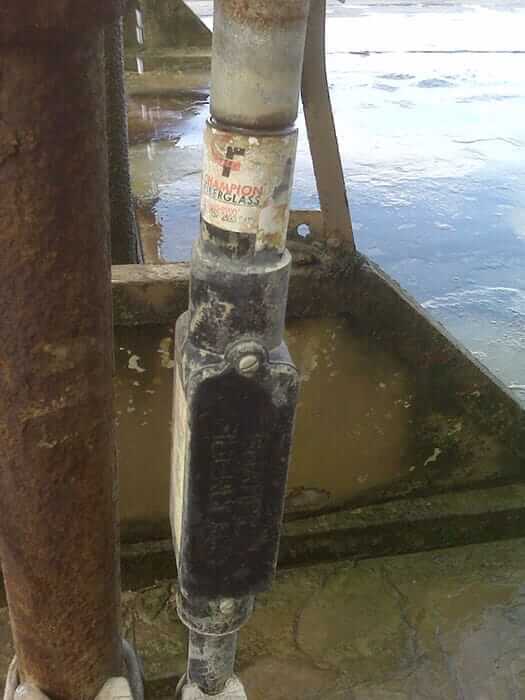
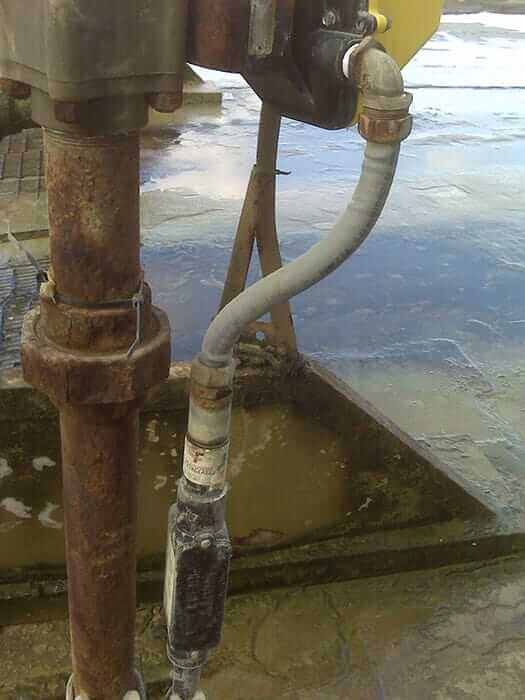
White Oak Resource Mine – Dahlgren, IL