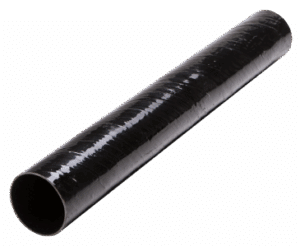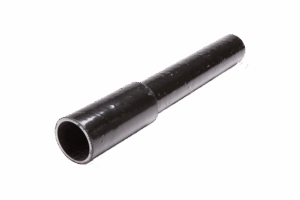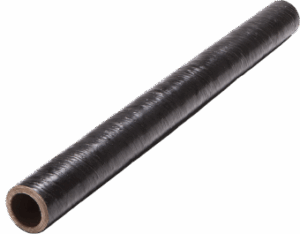





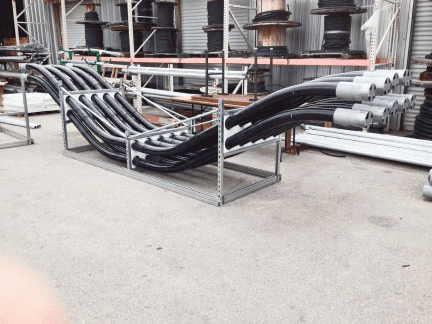


Fiberglass Underground Conduit for Direct-Bury Installations
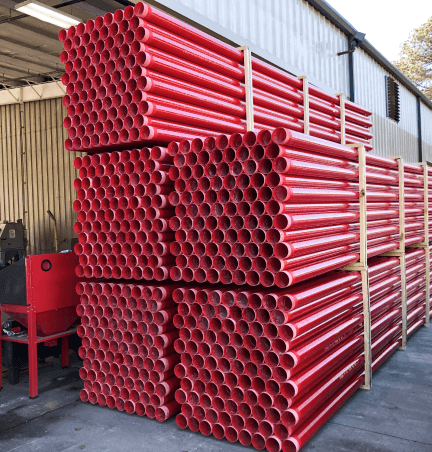
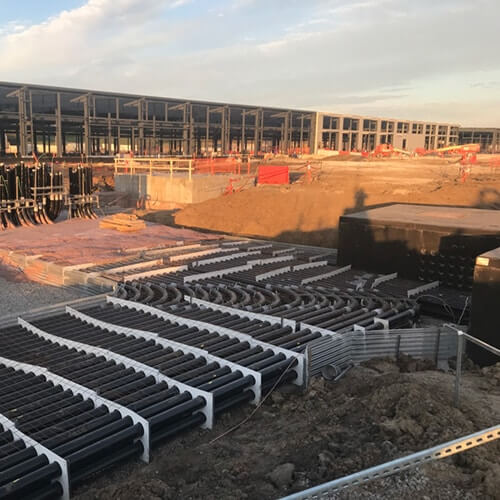
Champion Fiberglass® offers an overview of the specifications, benefits, and products designed to meet the requirements of below ground applications, including Encased Buried (EB) or Direct Buried (DB).
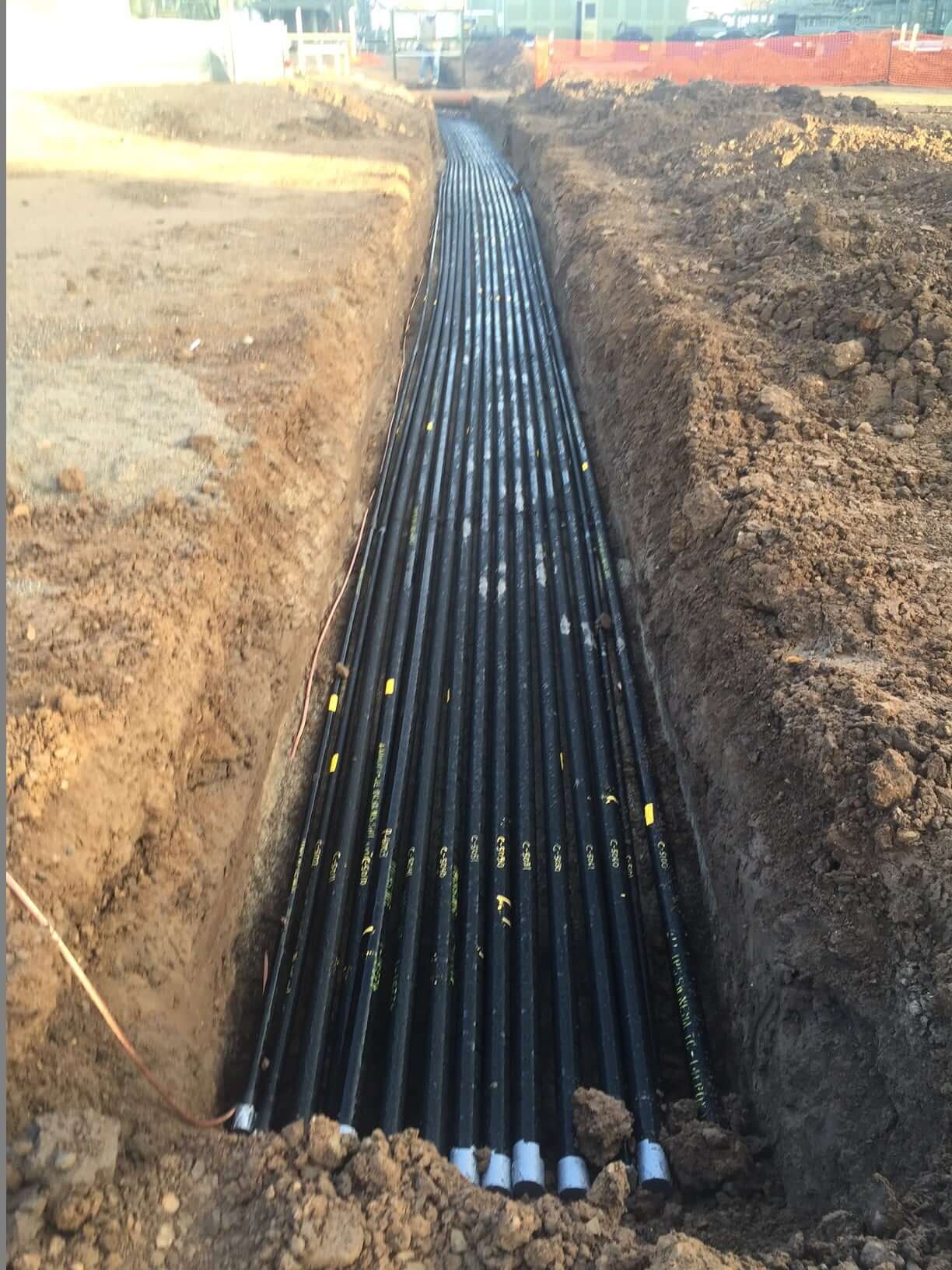
Benefits of Champion Fiberglass RTRC vs. other in-market materials for below ground applications
Compare Champion Fiberglass conduit to other underground conduit materials, and you’ll find that the benefits speak for themselves.
Champion Fiberglass RTRC offers:
- The broadest range of corrosion resistance of all in-market underground ducting products.
- The lowest installation rates for most diameters for installing underground electrical conduit according to the National
Electrical Contractors Association (NECA) Manual of Labor Units. - Low burn through and ability to stand up to extreme conditions of underground conduit.
- Shape retention after impact or compression.
Total Installed Cost
- Underground conduit is specified on installed cost, not material price.
- As a fiberglass underground conduit, Champion Fiberglass RTRC conduit is approximately 15X lighter than PVC-coated steel, as published in the Champion Fiberglass Product Comparison Chart, so crews place longer lengths with fewer people, and the National Electrical Contractors Association Manual of Labor Units records the lowest installation rates for most diameters among in-market underground ducting products.
- Labor reductions of 72 to 78 percent, based on the 2024-2025 NECA Manual of Labor Units rates for 100 feet of 4 in. conduit (8.3 labor hours for fiberglass against 30 hours for galvanized rigid steel and 38 hours for PVC-coated steel), follow from fewer supports, no threading and no field coating repair.
- Because the conduit does not rust, replacement excavation across the life of a direct-bury conduit run or duct bank is reduced as well.
FAQs – below ground applications, industries, and usage
UL Listed RTRC fiberglass conduit is approved for direct burial. Champion Duct® and Champion Haz Duct® XW are listed to the UL 2420 Below Ground standard and manufactured to NEC Article 355 for reinforced thermosetting resin conduit. For direct-buried (DB) underground runs, specify UL Listed Standard Wall for 3/4″ to 4″ diameters and Medium Wall for 5″ and 6″. Very deep trenches, special soil conditions, or high compaction rates call for a heavier wall, and Champion Fiberglass can confirm the right wall for a specific project.
Yes. Champion Fiberglass RTRC conduit is listed by Underwriters Laboratories to the UL 2420 Below Ground standard, and both Champion Duct® and Champion Haz Duct® XW carry that listing. Conduit listed to UL 2515 for above-ground use can also be installed below ground, because the above-ground flame test is the more stringent of the two. Champion Fiberglass authored the first official fiberglass conduit standard, UL 1684, in 1996; it has since been updated as UL 2515 and UL 2420.
Below-ground RTRC conduit from Champion Fiberglass is tested for toxicity in accordance with ASTM E-800, meets the listed maximum values, and releases no more than trace amounts of halogens when burning. The core product standards alongside it are NEMA TC 14, the manufacturing standard marked on every length, and UL 2420 for below-ground installations, with RTRC recognized under NEC Article 355. Full dimensional, electrical, and mechanical data for underground conduit is published in the Champion Fiberglass Below Ground Specifications data sheet.
The main difference is in fire resistance. Above ground conduit has fire resistance per UL2515 and CSA C22.2 No. 2515 standards, meaning that the conduit will self-extinguish within 15 seconds after each of five successive flame applications per the UL 2515 flame test standard.
Below ground conduit meets UL94 HB (horizontal burn) requirements, which aren’t as stringent as vertical burn requirements. This also means that conduit manufactured and labeled for “above ground” applications can be used for “below ground” applications.
Because of the possibility of high pressure caused by concrete, Heavy Wall conduit should be used for 4″ – 6″ diameter conduit. It is very important that the contractor/installer observes proper procedures when pumping the concrete into the core. If excessive pressure is applied, even Heavy Wall conduit may fail. Please contact Champion Fiberglass with questions on any of the above situations.
Once you’ve determined the correct conduit to use in your application, use the Champion Fiberglass Conduit Calculator to estimate possible savings when using Champion Fiberglass Conduit vs. other in-market conduit materials.
For examples of which products have been used in tough environments similar to yours, visit our Case Studies section. You’re also welcome to contact us – we’ll do our best to connect you to the right answer in a timely manner.
Encased in concrete (EB quality) applications can utilize Standard Wall product in most cases. Due to its high temperature rating, fiberglass conduit holds up very well for concrete encasement. (This application does not include core boring.) If UL listed material is required, use standard wall for 3/4″ – 4″ diameter, and Medium Wall for 5″ and 6″ (UL designates Champion Fiberglass MW for 5″ and 6″ as SW).
To compare possible material and installation costs for Champion Fiberglass conduit vs. other in-market materials, use the Champion Fiberglass Conduit Calculator.
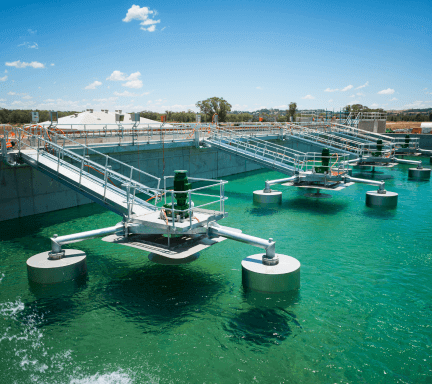
Visit our Industry pages – you’ll see ample data backing up Champion Fiberglass’s success in and support for industries including wastewater treatment, port authority, data center applications, petrochemical, tunnels, transportation, utilities, pipeline, and industrial/commercial.
Direct Buried (or DB quality) applications should utilize UL Listed conduit. Use Standard Wall for 3/4″ – 4″ diameter, and Medium Wall for 5″ and 6″ (UL designates Champion Fiberglass MW for 5″ and 6″ as SW). For very deep trenches, special soil conditions or where high rate of compacting can be expected, an even heavier wall should be selected. Please contact Champion Fiberglass with questions on any of the above situations.
To compare possible material and installation costs for Champion Fiberglass conduit vs. other in-market materials, use the Champion Fiberglass Conduit Calculator.
Champion Fiberglass offers many opportunities to save, from a lower starting material cost to lower manpower and installation costs. Visit our comparison chart to weigh the benefits, or visit our blog to learn more about how our newly extended support spacing distances help build savings.
You can also view our updated UL Listed support spacing distances in comparison to PVC-coated steel and GRC, and make a direct material and installation comparison using our Conduit Calculator.
If you’d like to discuss actual numbers, please contact us – we’d be happy to review any project spec or details and demonstrate your opportunities to save with Champion Fiberglass.
Champion Fiberglass conduit below ground specifications
Listing
Conduit is listed by Underwriters Laboratories (UL) to the UL 2420 Below Ground standard

Environmental
Champion Fiberglass has a current Certificate, issued by an independent and accredited company, of compliance with an ISO 14001: Environmental Management Systems and Performance
Manufacturing Information to Be Included
- NEMA TC 14
- UL 2420 BG (Below Ground)
- Manufacturer and Reseller (if the conduit was modified or bent other than by the manufacturer)
- Date of Manufacturing of conduit and elbows
- Elbows shall be marked with the angle and radius
- Special customer markings (per request) All conduit, elbows, and fittings are manufactured in the U.S.A. and marked as such
Toxicity
- Meets listed maximum values when tested in accordance with ASTM E-800
- Does not contain any compounds that can release halogens in more than trace amounts when burning
Additional Information
For dimensions, electrical and mechanical specifications, and in-depth joining system information, click here.