




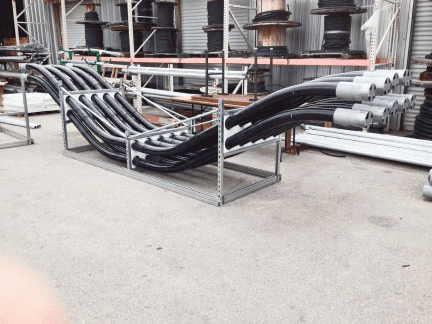


Fiberglass Conduit for Transportation Infrastructure
The infrastructure that keeps America moving relies on lightweight, corrosion-resistant Champion Fiberglass® conduit for durability and streamlined installation.

Application Overview
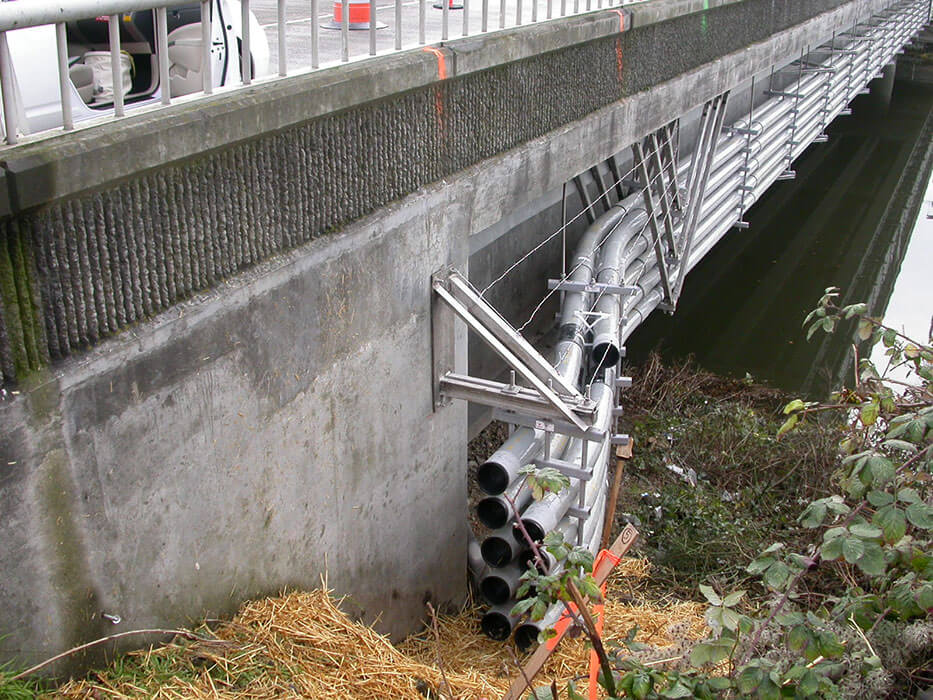
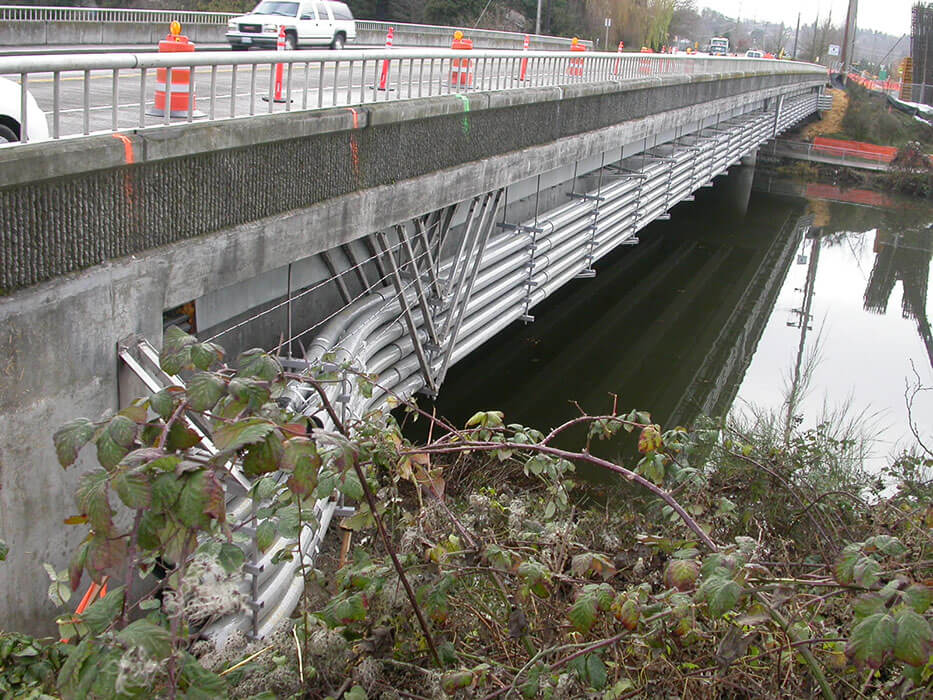
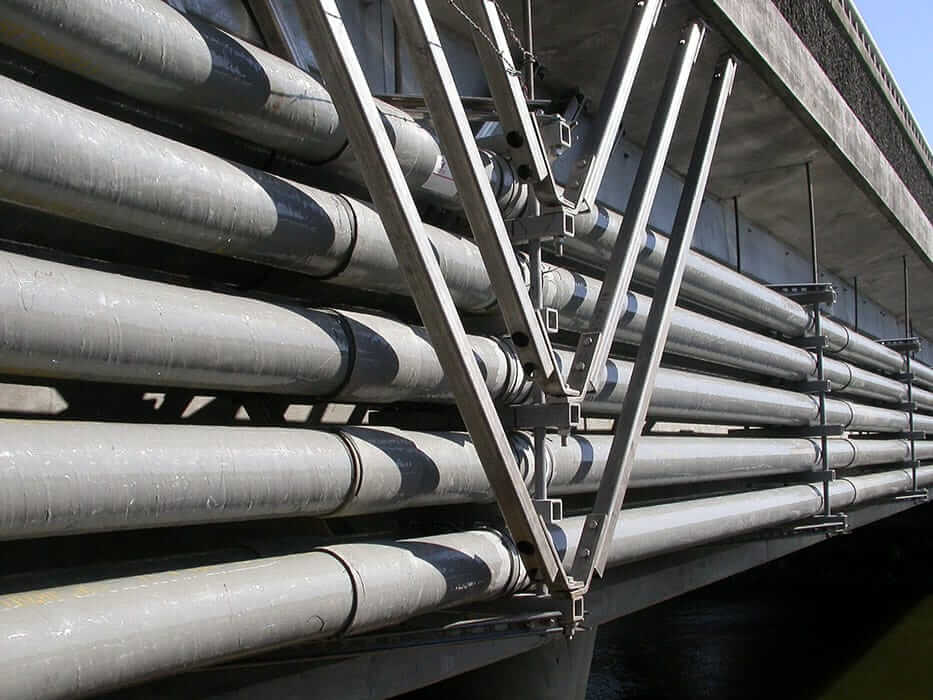
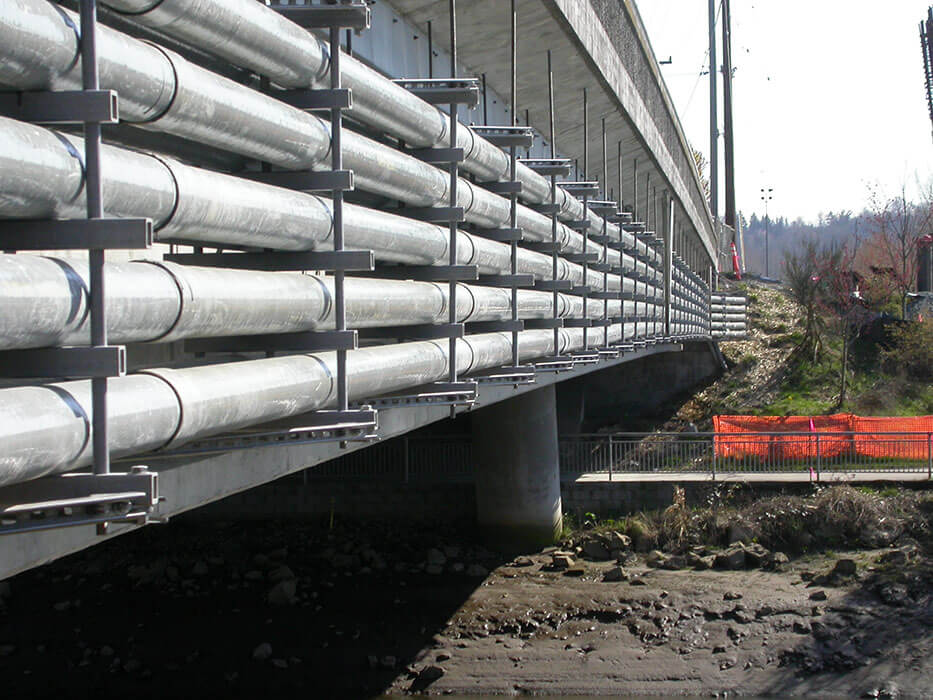
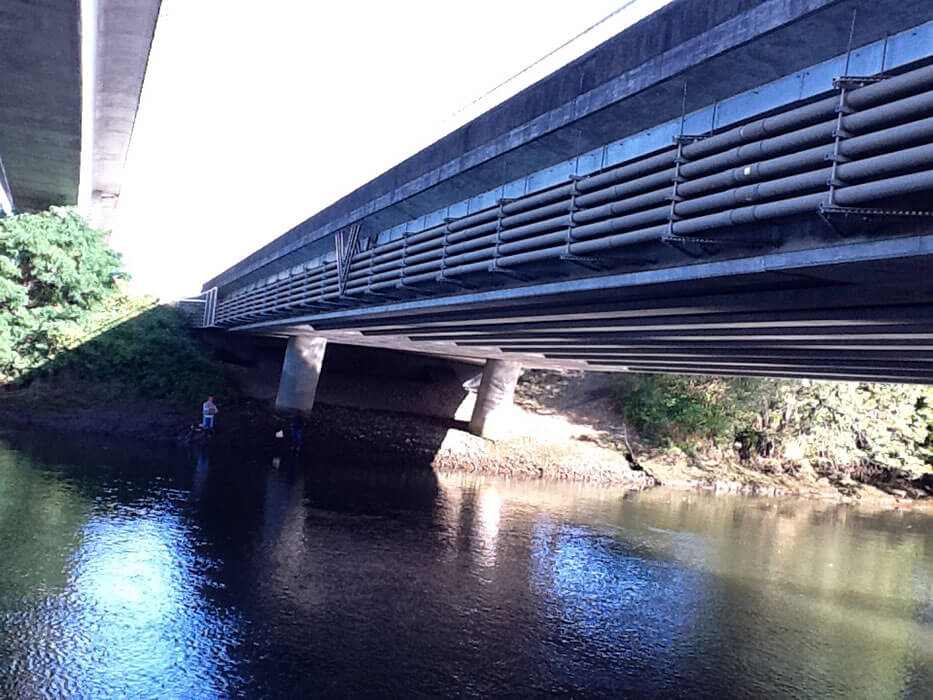
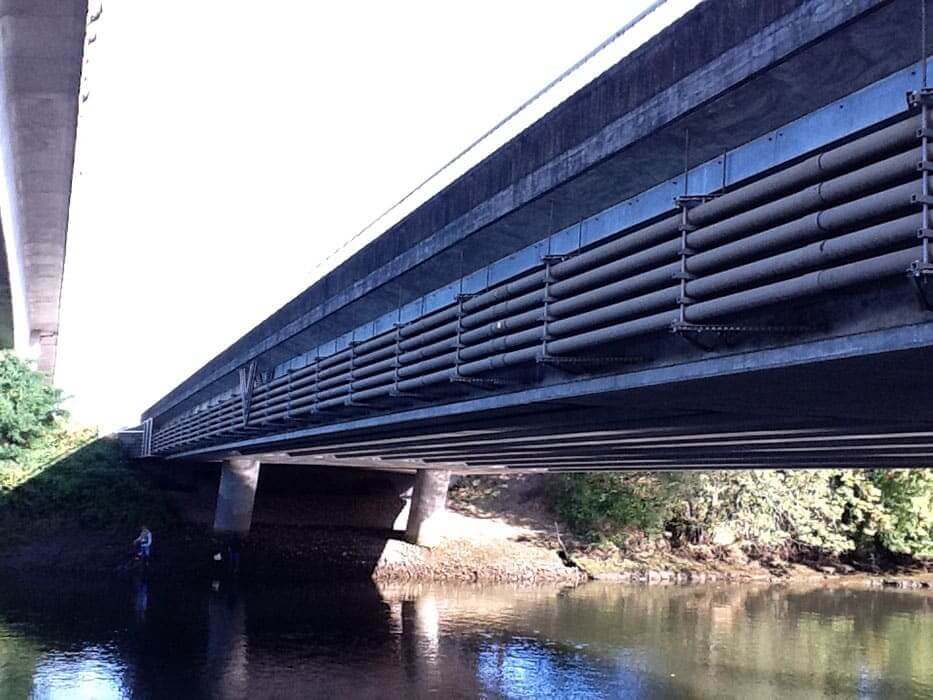
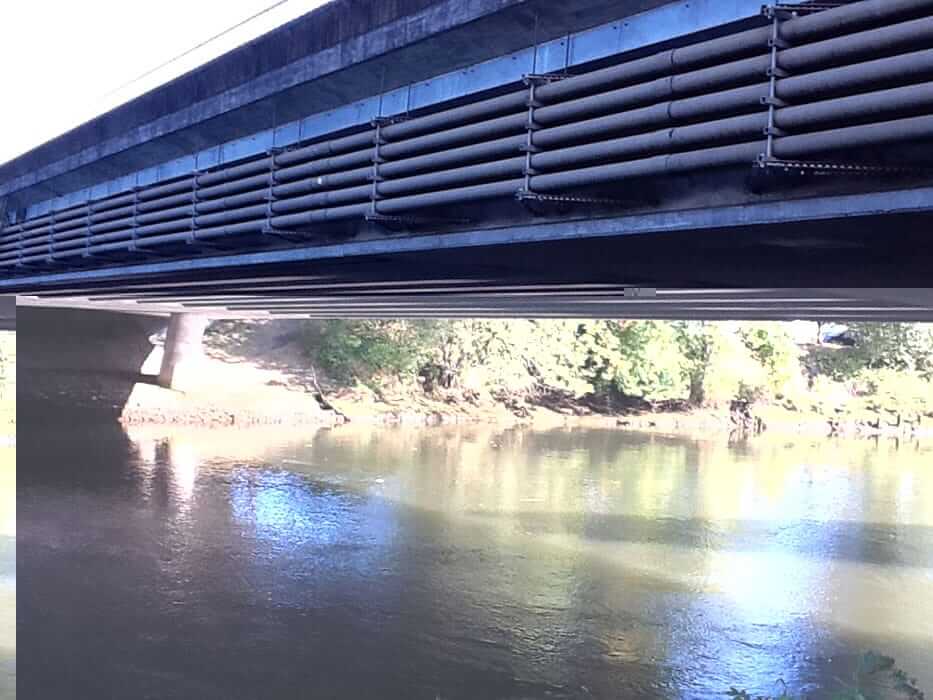
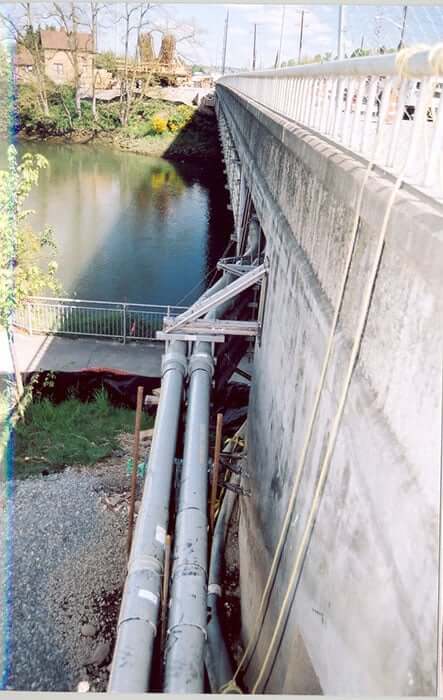
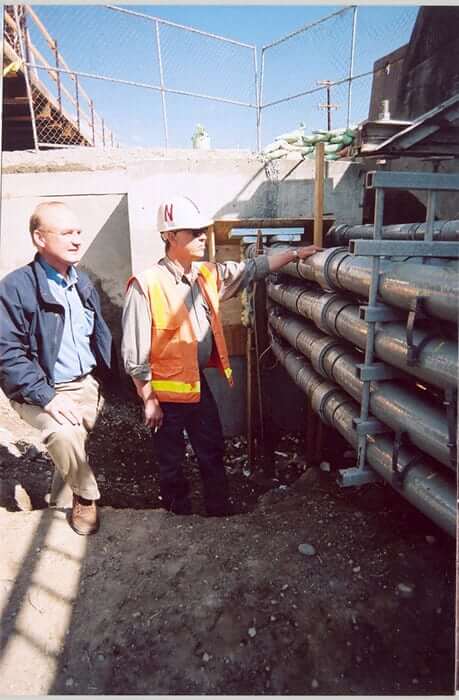
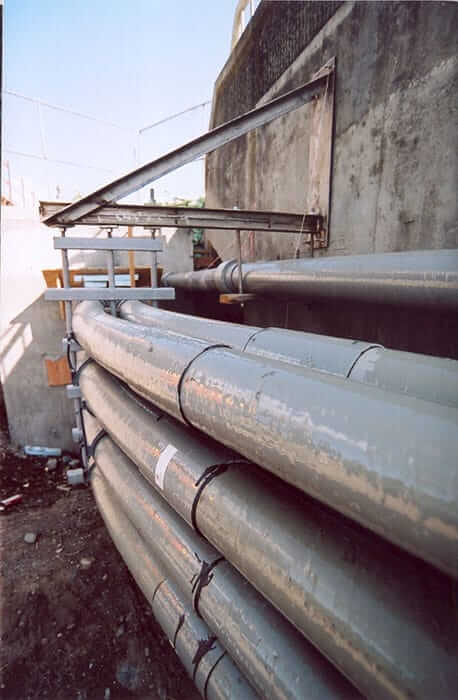
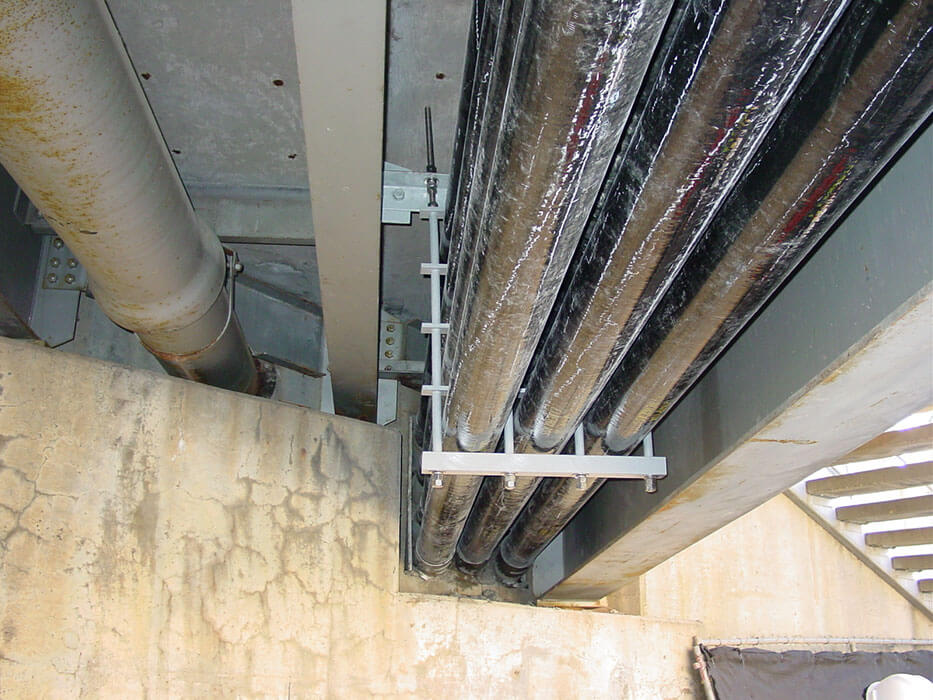
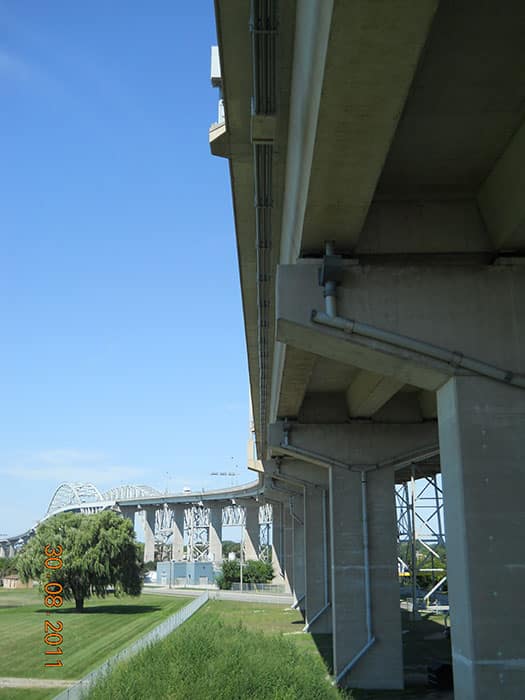
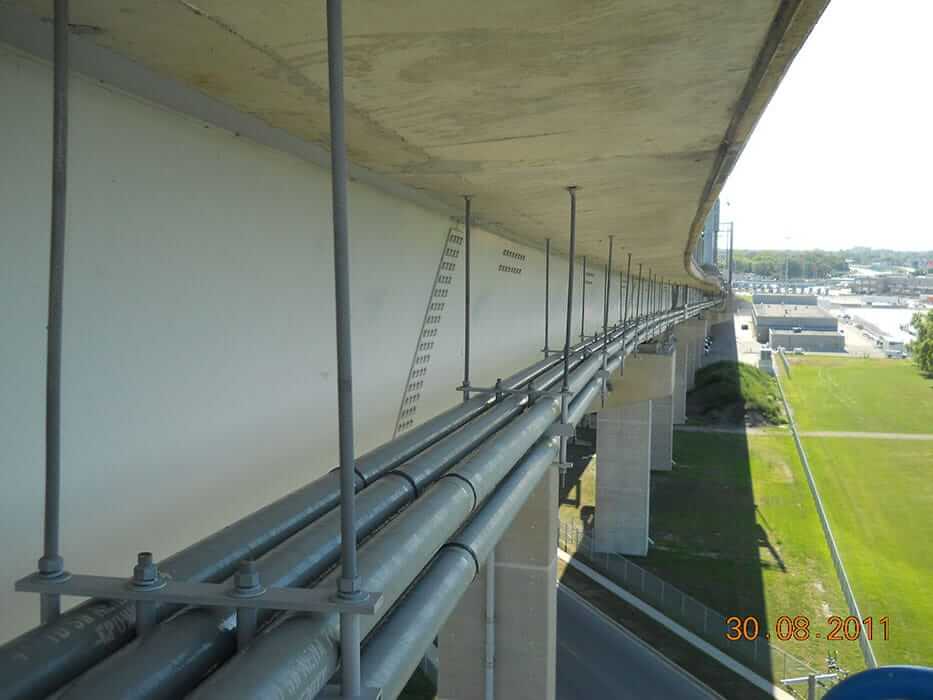
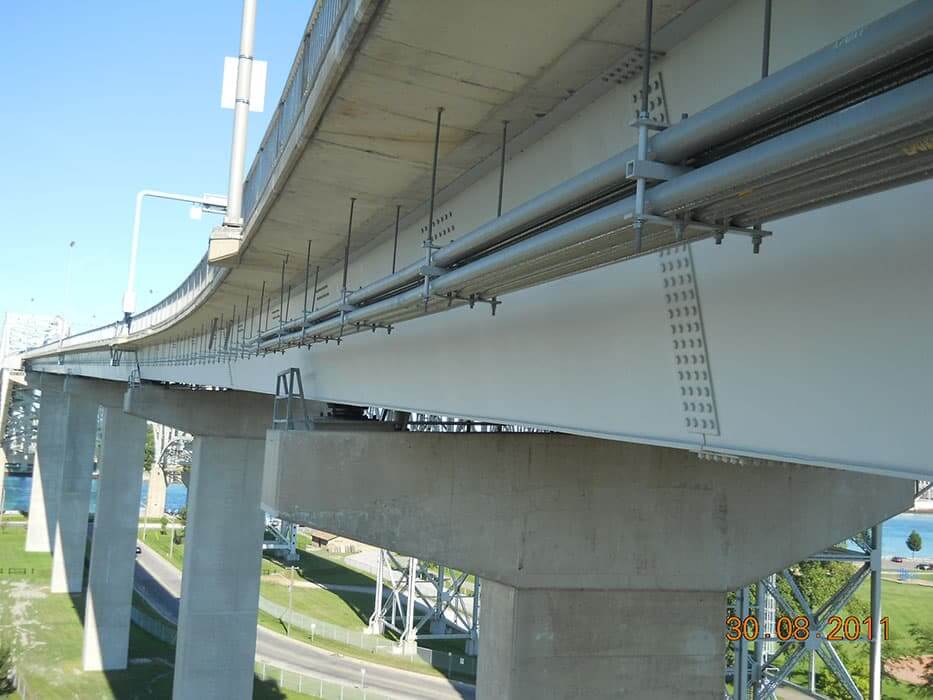
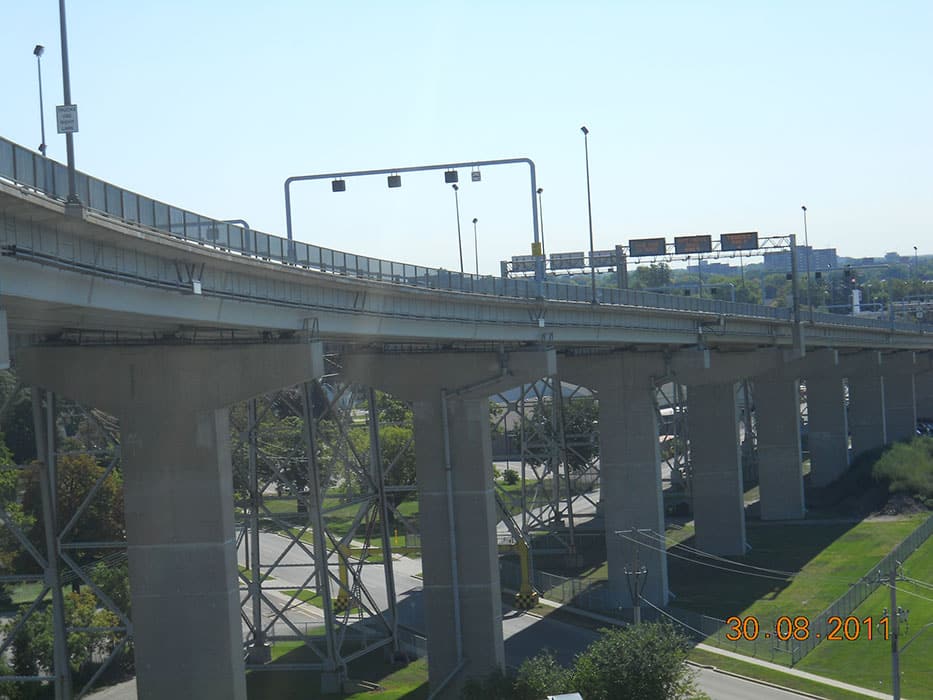
Champion Fiberglass has been providing conduit systems for bridge projects for decades. From custom-colored conduit for Pittsburgh’s Seventh Street Bridge to the Blue Water Bridge in Canada to the Golden Gate Bridge, we’ve completed thousands of bridge projects in the transportation/infrastructure sector. We’ve been supplying durable, cost-effective, American-made electrical conduit for more than 30 years. As a result, electrical engineers increasingly rely on our fiberglass (RTRC) conduit when bridge projects require a lightweight, easy-to-install, corrosion-resistant conduit system.
Why?
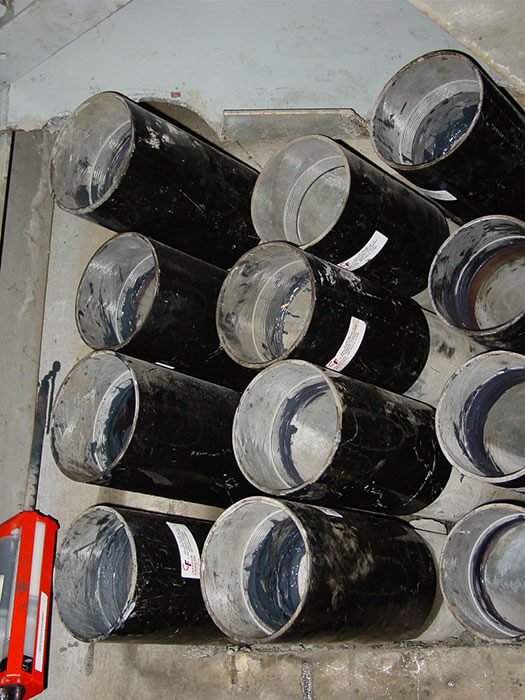
Epoxy Fiberglass (RTRC) conduit is lighter and less costly than galvanized rigid steel conduit (GRC) and PVC coated rigid metal conduit options. RTRC also offers best in class field handling due to its light weight, ease of cutting and integral bell, making it the clear choice for bridges and state DOT (Department of Transportation) projects.
Electrical Conduit for Bridge Projects
Bridge projects call for lightweight conduit that doesn’t sacrifice strength. Champion Fiberglass conduit keeps these projects on budget and lowers manpower costs with durable, corrosion-resistant conduit.
Federal Project Compliance
- Champion Fiberglass RTRC conduit qualifies under the Build America, Buy America Act as transportation infrastructure conduit on federally funded bridges, highways and transit projects.
- All conduit, elbows and fittings are manufactured in the United States and marked as such, which is the documentation a DOT conduit submittal requires.
- The conduit is manufactured in accordance with NEC Article 355 and is UL Listed to UL 2515 for above-ground and UL 2420 for below-ground installation, covering deck-level and sub-deck bridge conduit runs and buried approach runs on the same structure.
- It does not rust, and being non-metallic it carries no coating that can crack under freeze-thaw movement.
Featured Product
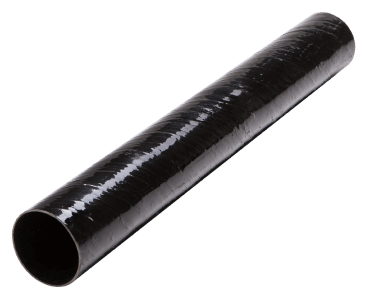
Champion
Duct®
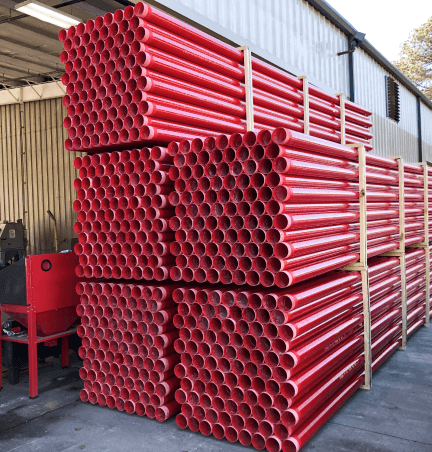
Lightweight fiberglass conduit with unmatched versatility and strength.
- CSA listed per CSA-22.2 No 211.3-96 standards
- UL 2420 Listed for below-ground installations
- UL 2515 Listed for above and below-ground installations
- Standard Wall, Medium Wall (UL designates Champion Fiberglass MW for 5″ and 6″ as SW), and Heavy Wall conduits are UL Listed for newly expanded support spacing distances
Champion Fiberglass products are manufactured in accordance with the NEC (National Electrical Code) in Article 355: Reinforced Thermosetting Resin Conduit and listed in Article 12-1200-1220 of the CEC (Canadian Electrical Code) as Rigid RTRC Conduit.
FAQs – below ground applications, industries, and usage
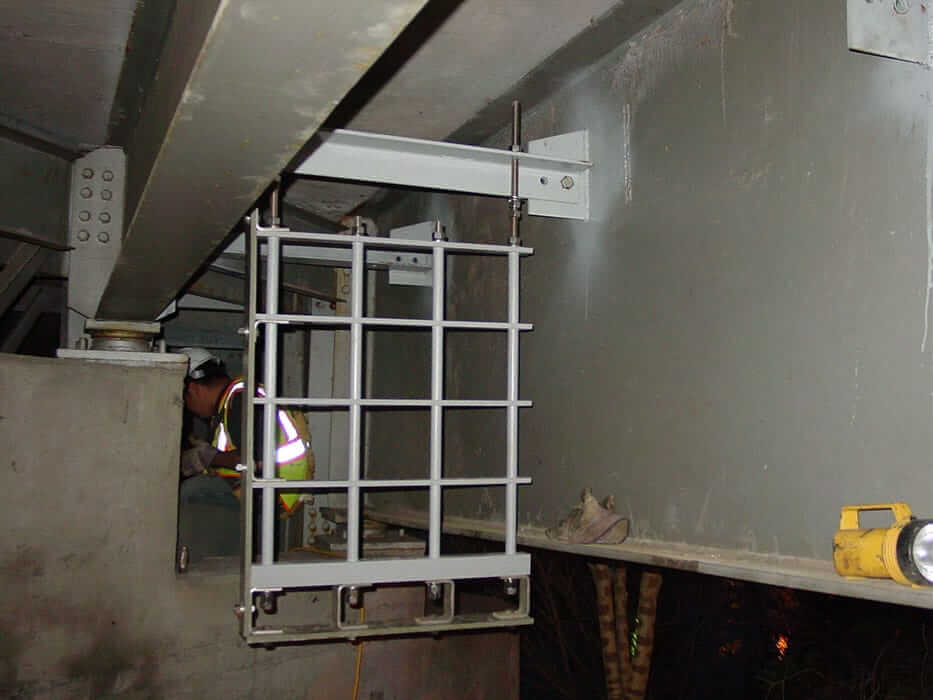
Champion Duct® RTRC fiberglass conduit is the Champion Fiberglass choice for state DOT bridge projects. It is UL 2515 and UL 2420 Listed, manufactured to NEC Article 355, BABA-compliant, and lighter and less costly than galvanized rigid steel or PVC-coated rigid metal conduit. Champion has supplied thousands of bridge projects over more than 30 years, including the Golden Gate Bridge and Pittsburgh’s Seventh Street Bridge, and Champion Bridge Hangers® complete the support system. [CLIENT INPUT: list any state DOT approved-product listings.]
Yes. Champion Fiberglass conduit is compliant with the Build America, Buy America Act, which sets domestic-content requirements for federally funded infrastructure under the Infrastructure Investment and Jobs Act, and a January 2026 compliance certificate is available for highway project submittals. Champion Duct®, Champion Strut™, and Champion Bridge Drain™ are all manufactured in Spring, Texas, giving bridge and highway engineers one domestic source for conduit, support framing, and bridge drainage.
Champion Duct® RTRC fiberglass conduit is built for cold-weather bridge work and retains its properties at low temperatures. It has an operating range of -40°F to +230°F, compared with +40°F to +150°F for PVC Schedule 40 and 80, which is known to become brittle in the cold. Its coefficient of thermal expansion is 1.5 x 10^-5 in/in/°F per NEC Article 355.44, and expansion fittings compensate for movement on long bridge runs, allowing year-round installation. [CLIENT INPUT: confirm any published freeze-thaw cycle test data before stating a rating.]
RELATED CASE STUDIES
Project Photos
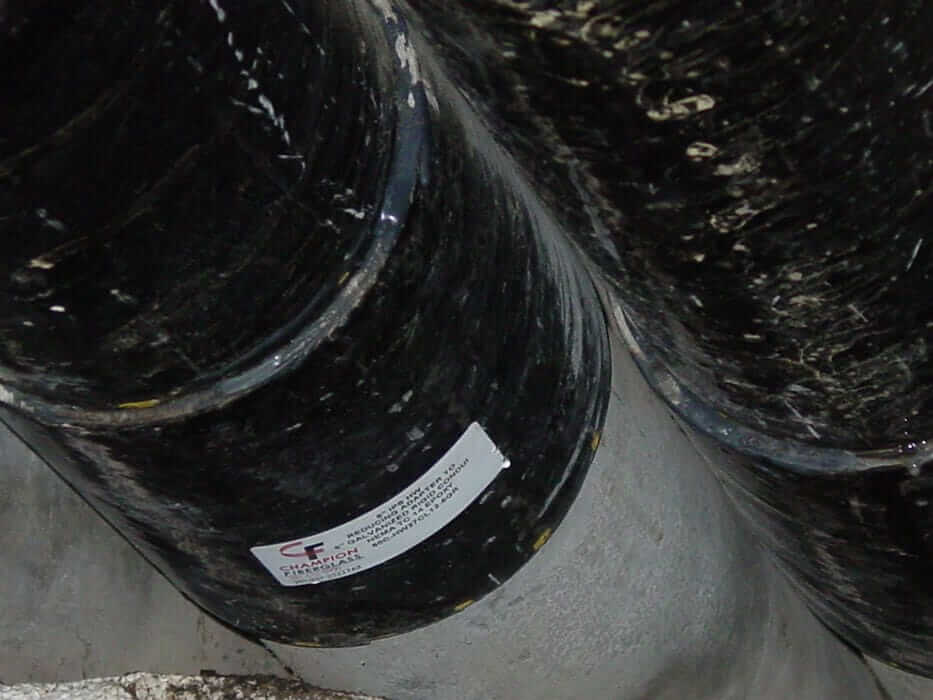
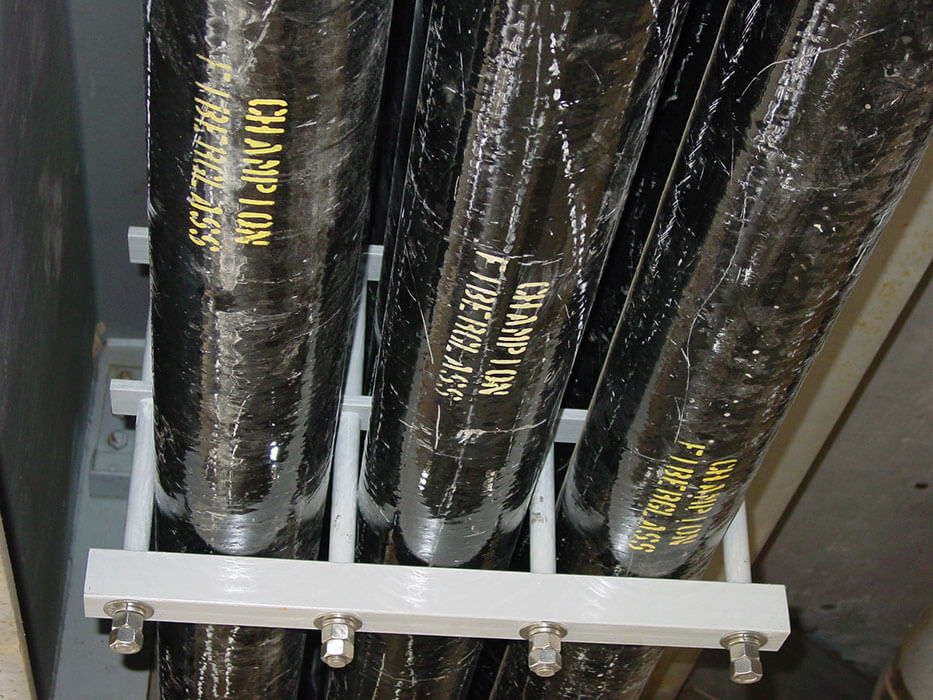
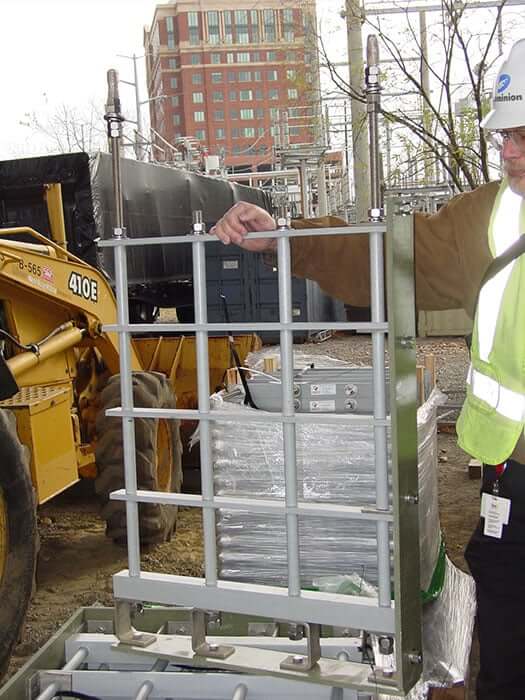
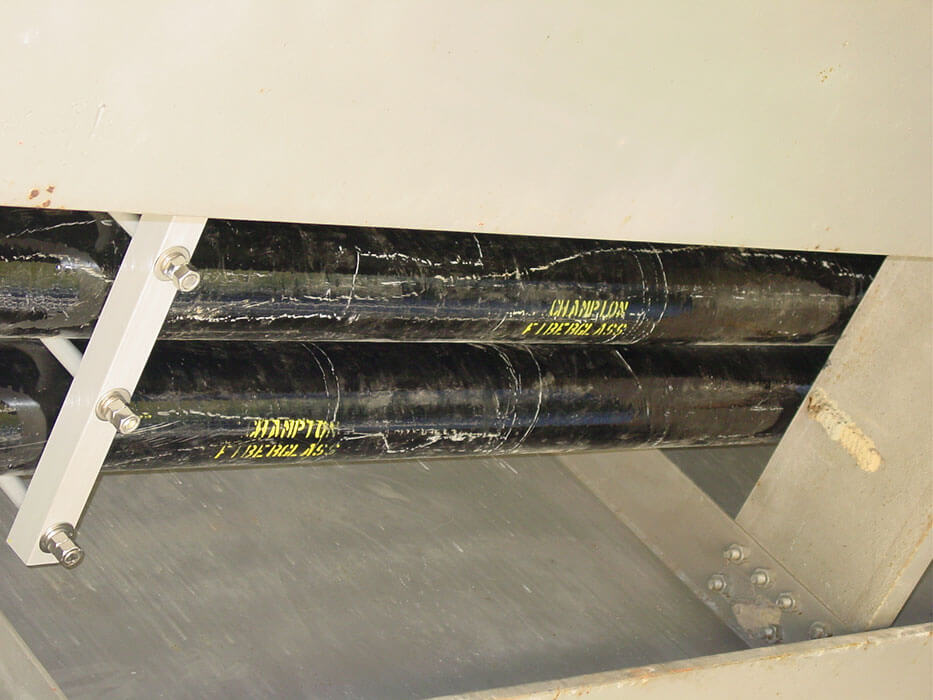
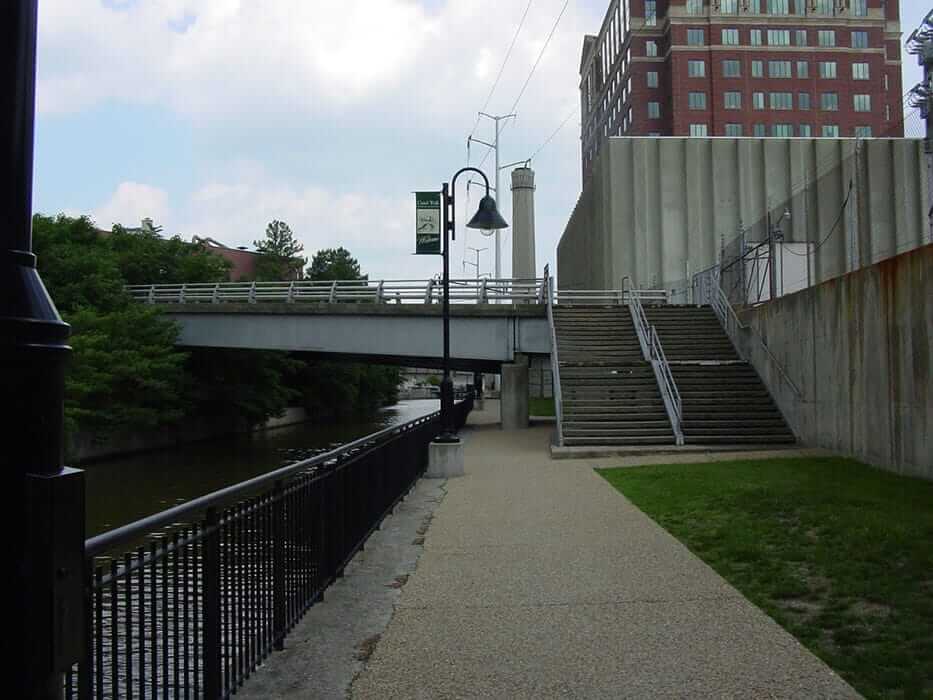
10th Street Bridge – Richmond, VA
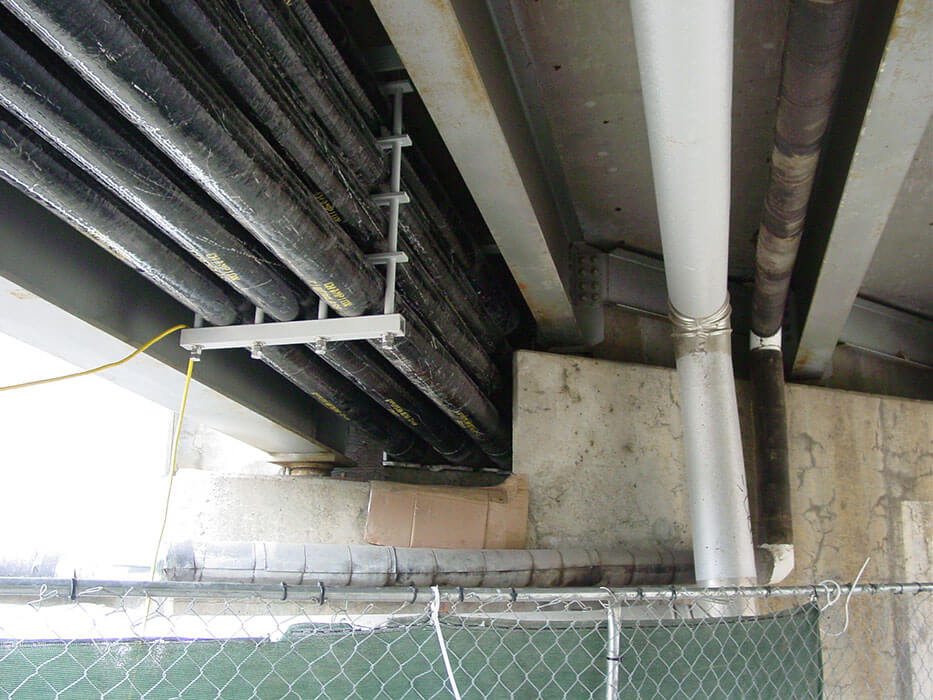
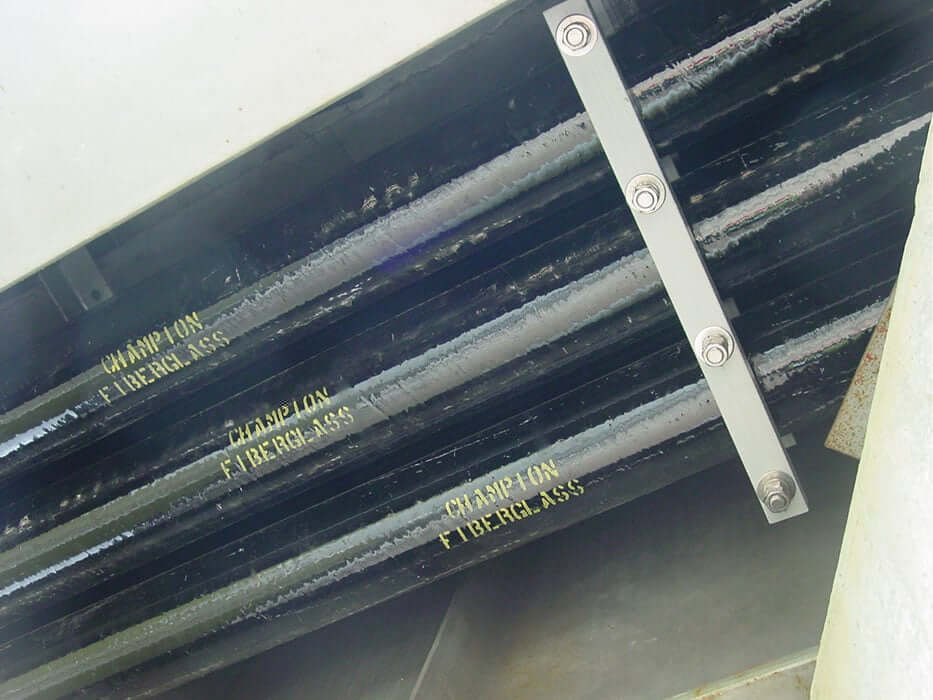
Blue Water Bridge – Sarnia, Ontario Canada

Duwamish River Bridge – Seattle, WA