




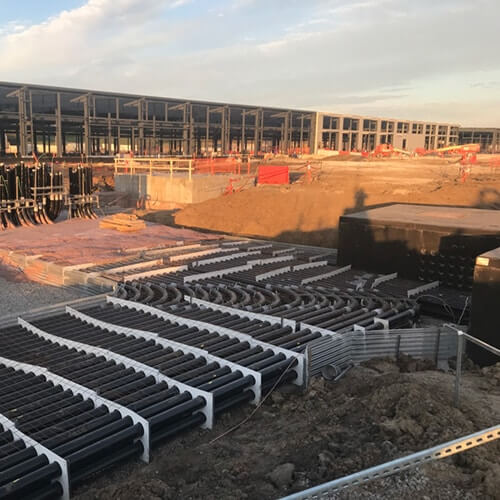
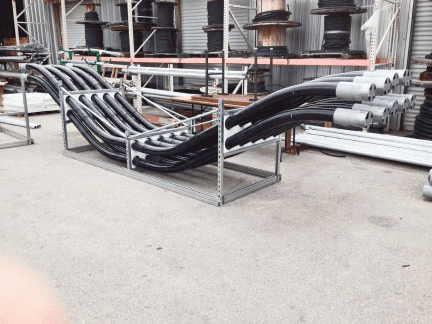


Fiberglass Conduit for Industrial & Commercial Facilities
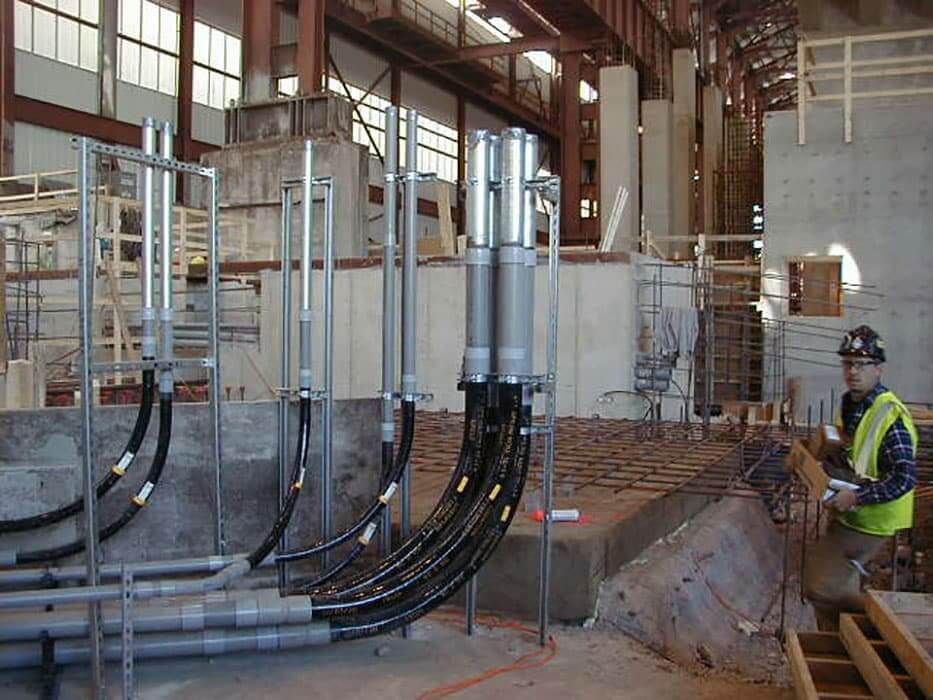
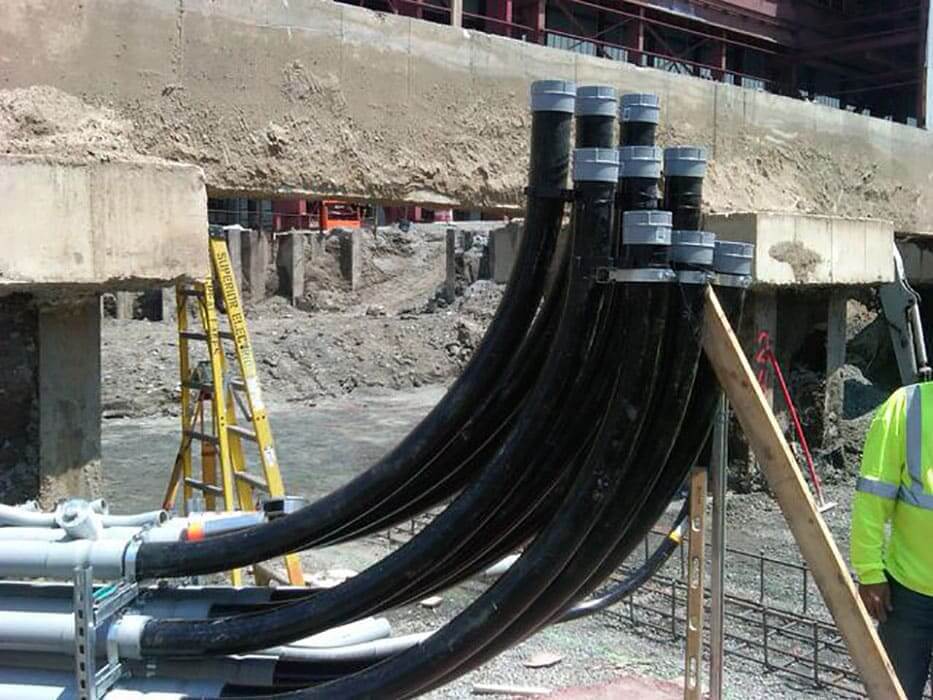
Whatever the scope of your industrial or commercial project, Champion Fiberglass® has the right fit for your industrial conduit needs.
Application Overview
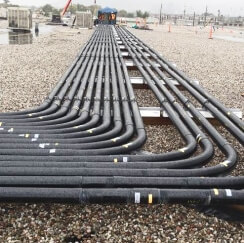
Engineered for extreme corrosion resistance and UV stability, fiberglass electrical conduit for industrial applications stands up to virtually any installation environment. Indoor. Outdoor. Above or below-ground. Champion Fiberglass conduit does more, so you can worry less.
Where Industrial Fiberglass Conduit Is Specified
- Indoor:
- Industrial process areas, chemical splash zones and washdown areas.
- Resists acids, alkalis, solvents and oxidizers.
- UL 2515 Listed.
- Outdoor:
- Rooftop, yard and coastal runs with UV exposure and salt-laden air.
- UV-stable, non-rusting, UL 2515 Listed.
- Underground:
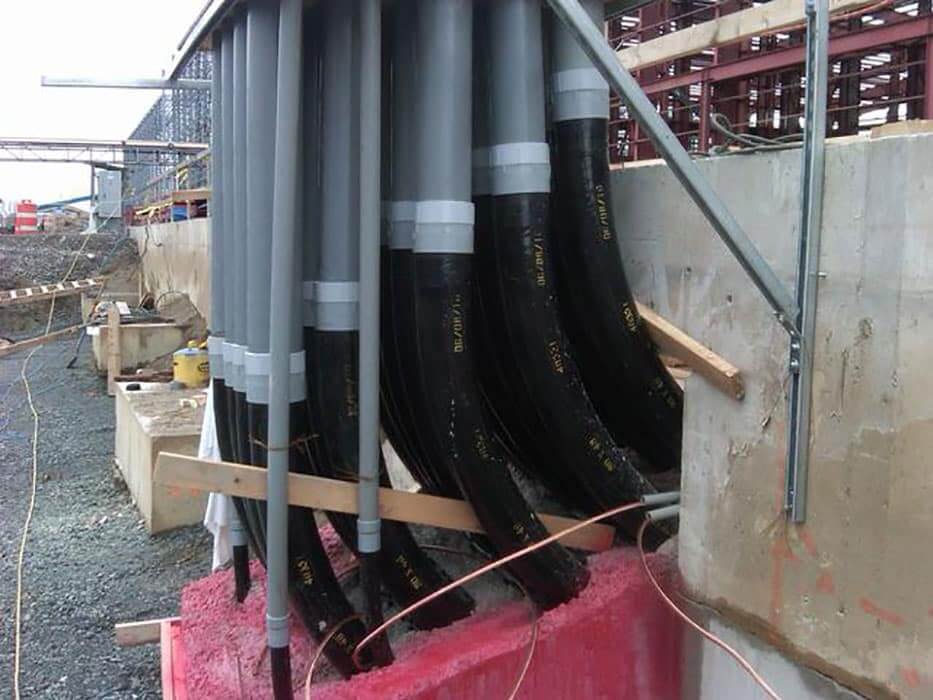
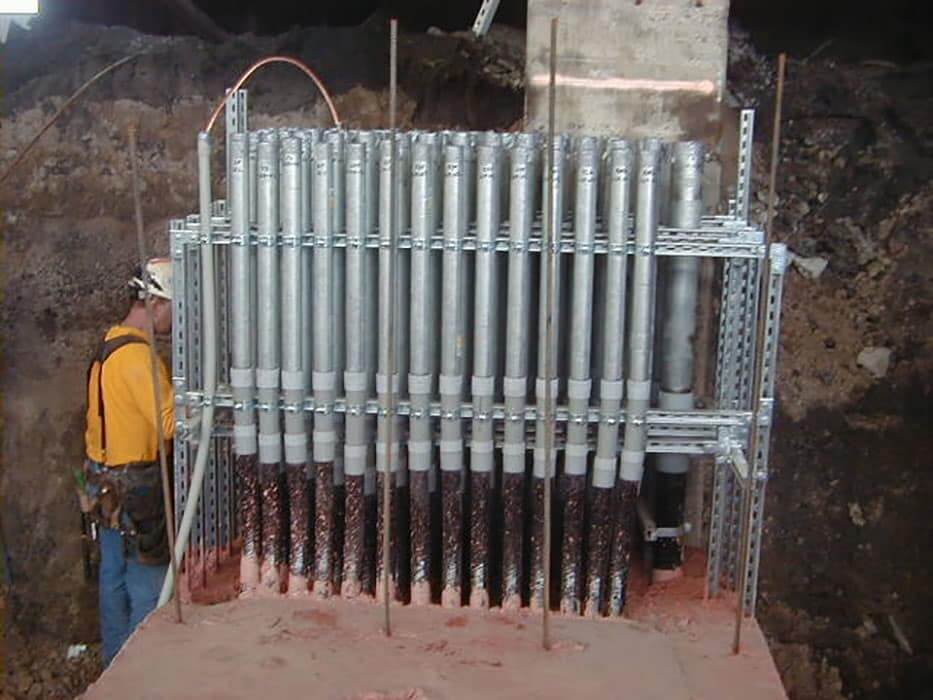
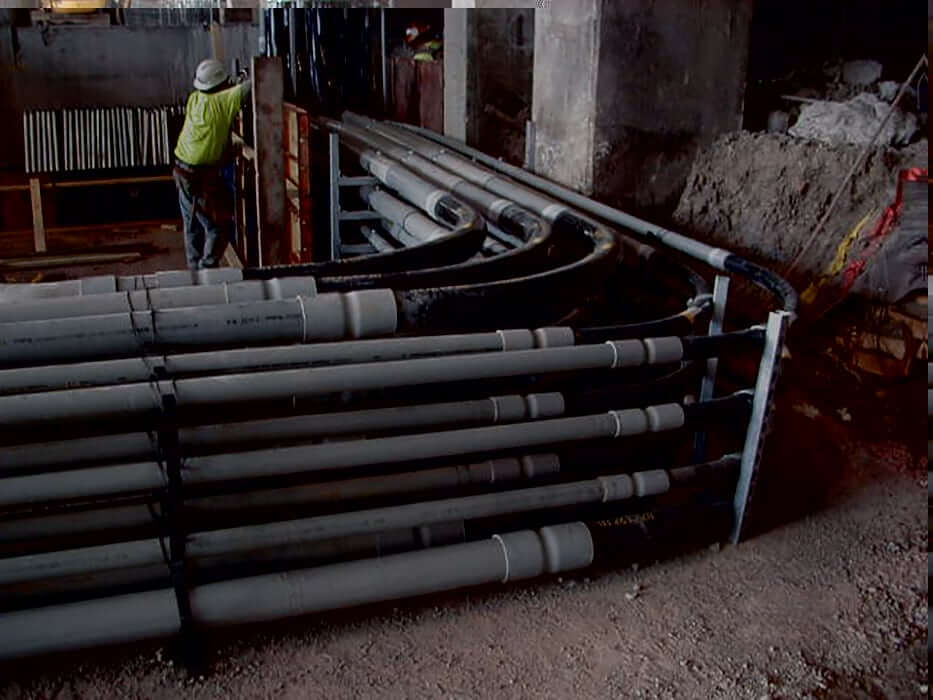
- Direct-buried and concrete-encased duct banks.
- UL 2420 Listed, Standard Wall for 3/4 in. to 4 in. and Medium Wall for 5 in. and 6 in.
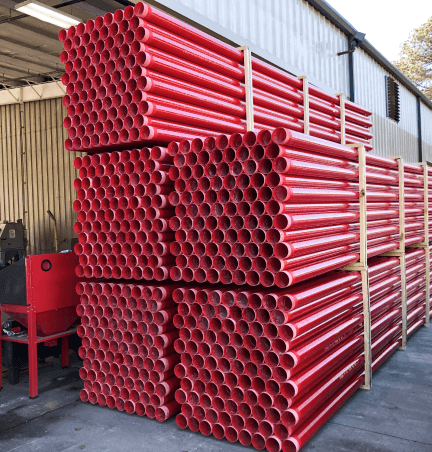
- Across all three, Champion Fiberglass RTRC is a non-metallic industrial conduit that is approximately 15X lighter than PVC-coated steel, as published in the Champion Fiberglass Product Comparison Chart, and retains its shape after impact or compression.
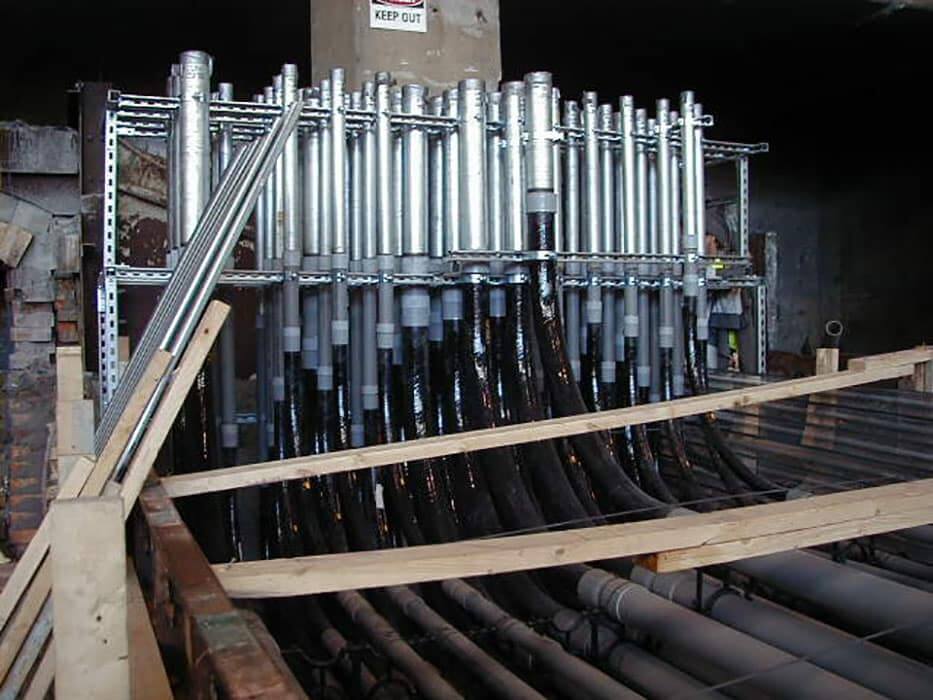
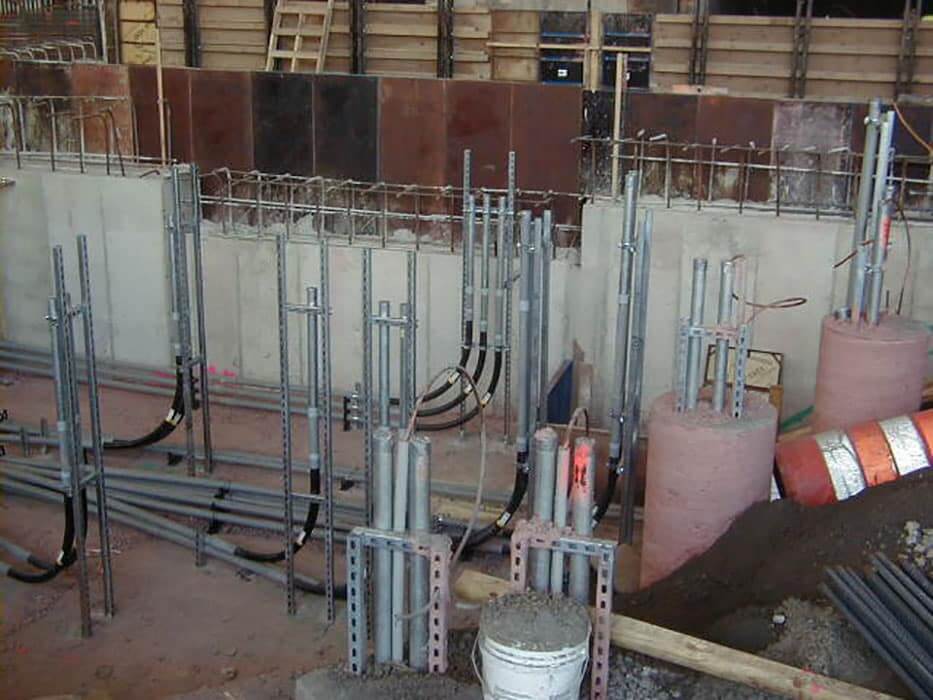
- On overhead racks and rooftop runs, Champion Strut™ corrosion-resistant fiberglass strut channel provides non-metallic support, so the whole assembly stays out of the corrosion path.
Featured Product
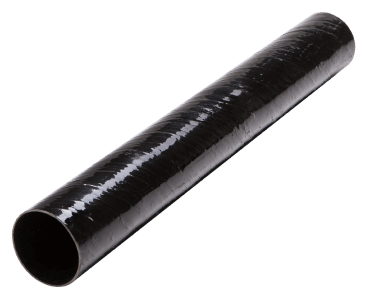
Champion
Duct®
Lightweight fiberglass conduit with unmatched versatility and strength.
- CSA listed per CSA-22.2 No 211.3-96 standards
- UL 2420 Listed for below-ground installations
- UL 2515 Listed for above and below-ground installations
- Standard Wall, Medium Wall (UL designates Champion Fiberglass MW for 5″ and 6″ as SW), and Heavy Wall conduits are UL Listed for newly expanded support spacing distances
Champion Fiberglass products are manufactured in accordance with the NEC (National Electrical Code) in Article 355: Reinforced Thermosetting Resin Conduit and listed in Article 12-1200-1220 of the CEC (Canadian Electrical Code) as Rigid RTRC Conduit.
FAQs – below ground applications, industries, and usage
Champion RTRC conduit is filament-wound from glass fiber strands impregnated with epoxy resin and cured at high temperature, so there is no metal to rust and no coating to fail. That construction is more corrosion resistant than PVC conduit or polyester and vinyl ester resins, and it has been tested against hundreds of chemicals. As an industrial conduit it performs indoors, outdoors, above ground, and below ground, and Champion Duct® is UL 2515 and UL 2420 Listed.
Yes. Champion Duct® RTRC conduit is UV stable per UL 2515 and CSA C22.2 No. 211.3-96, so it will not degrade in constant sunlight, and it is UL 2515 Listed for above-ground installations. It also holds its mechanical properties across an operating range of -40°F to +230°F, compared with +40°F to +150°F for PVC Schedule 40 and 80, which supports year-round outdoor industrial installation on rooftops, racks, and exterior walls.
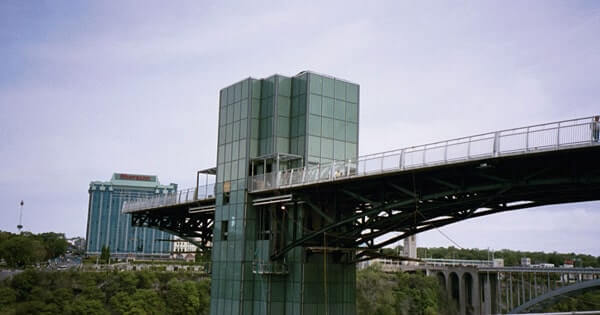
Champion RTRC conduit is 15X lighter than PVC-coated steel, per the Champion Fiberglass Product Comparison Chart, and carries the lowest man-hour installation rates for most diameters in the NECA Manual of Labor Units. It will not rust, its 0.38 coefficient of friction compares with 0.55 for steel, and under fault conditions it will not weld wire to the conduit wall. UL Listed extended support spacing puts its spans on par with steel. At the Niagara Falls Observatory, fiberglass cut project weight by over 30,600 lbs.
RELATED CASE STUDIES
Project Photos
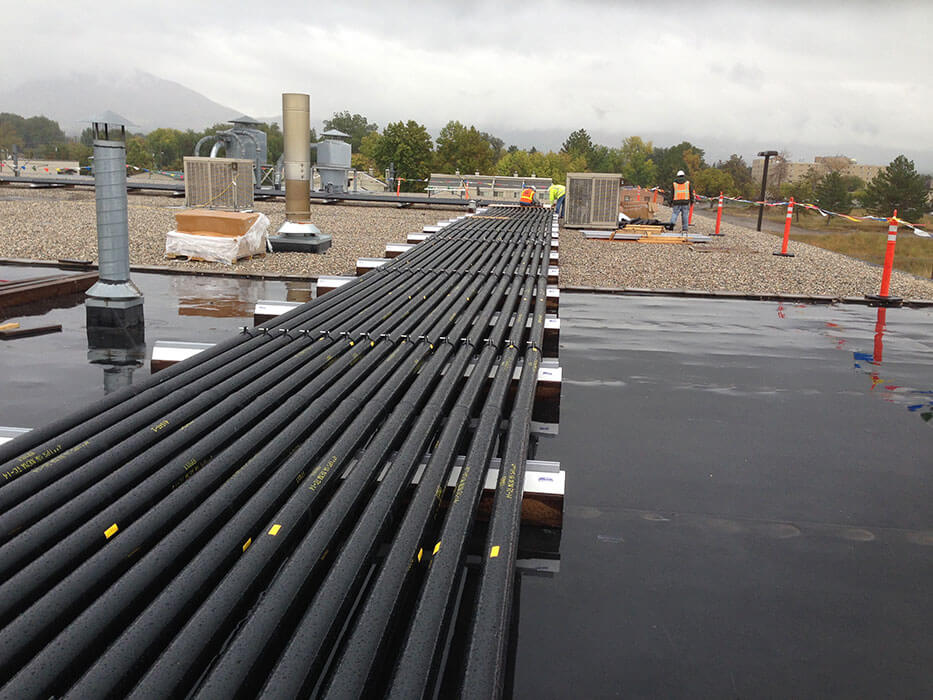
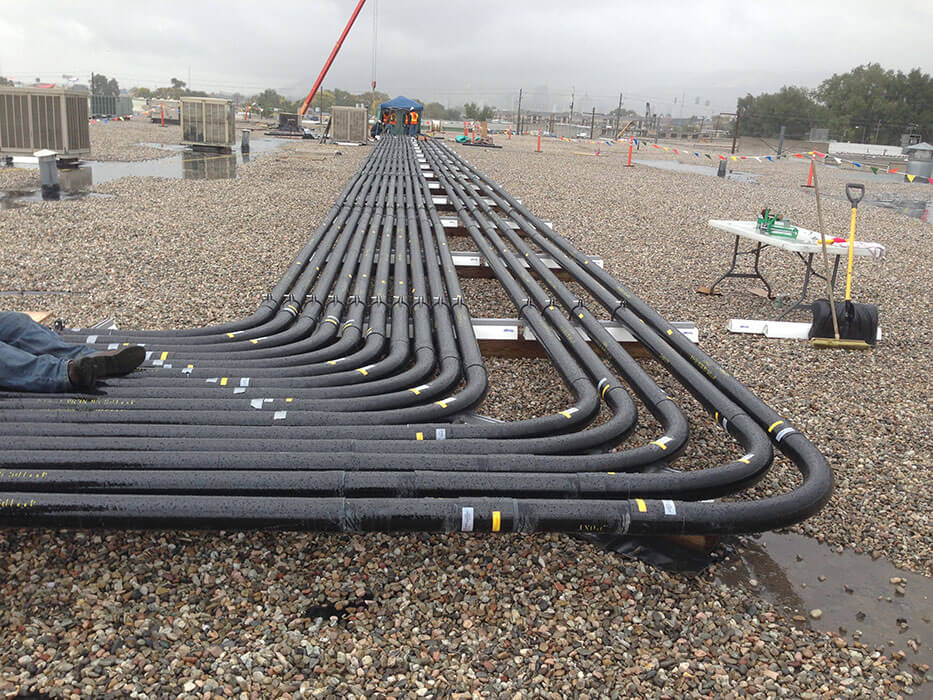
Hudson Printing – Salt Lake City, UT
Niagara Falls Observation Deck – Canada
Severstal Steel – Dearborn, MI