







Champ Pull® Usage
Champ Pull® is a cable pull calculator and planning tool from Champion Fiberglass designed to support conduit and cable planning by providing pull tension, sidewall bearing pressure and other pull-related values before installation. It includes separate calculators for 600V and power cable applications. It is both a design aid and a risk-reduction tool for project planning and execution.
Champ Pull calculates expected pulling tension and sidewall bearing pressure for cable installations in all types of conduit, then summarizes the results so users can evaluate constructability, identify risk points and compare conduit options during planning and before work begins.
Its output includes a cable summary with detailed cable information, continuous and maximum pulling tension, sidewall bearing pressure, jam probability, tension limits, warnings related to NEC requirements and conduit fill, as well as overall installation limitations and other project-specific pull information.
It also allows users to evaluate conduit options, providing side-by-side comparisons by conduit materials for NECA installation hours, coefficient of friction, weight per foot, cable fault risk and estimated number of supports.
The main value is better planning: more accurate pull calculations, better visibility into high-risk segments, better conduit material comparisons and earlier identification of issues that can affect installation time, safety, cable protection and overall project costs.
Champ Pull is built for electrical engineers, electrical contractors, project managers and others responsible for conduit and cable design, planning and installation, especially on complex projects in markets such as data centers and utilities.
The key differentiator is that Champ Pull provides accurate coefficient of friction values for fiberglass conduit. That matters because Champion Fiberglass conduit has materially different friction behavior than some other conduit types. It has a lower coefficient of friction than PVC, steel and aluminum. It also provides valuable information related to installation hours, product weight and project support requirements.
Champ Pull includes separate calculators for 600V and power cable applications so that users can better match the cable type and installation conditions.
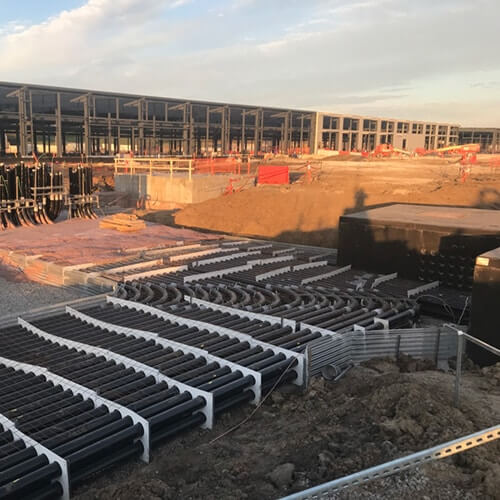
Champ Pull is especially relevant for large, complex, cable dense projects where pull length, bend count, cable weight, conduit fill and material choice all affect installation risk. That includes data centers, utilities, industrial facilities, bridges, tunnels and other projects.
The coefficient of friction is a key factor in estimating cable pulling tension because it directly influences the resistance encountered during the pull. If the assumed friction value is inaccurate, the calculated pulling tension may be significantly under- or overestimated. This can lead to incorrect decisions regarding conduit sizing, allowable pull lengths, bend configurations, pulling methods, and overall installation risk.
Yes. In addition to tensions, Champ Pull provides sidewall bearing pressure, conduit fill warnings, NEC-related warnings, cable fault risk and other cable summary information. That makes it more of a planning package than a single-output calculator.
Sidewall bearing pressure is the force exerted on cable as it moves through bends. High values can signal increased installation risk and potential cable damage, especially on more complex routes. Champ Pull specifically calculates SWBP so users can identify those risk areas during planning.
Yes. The cable summary includes warnings related to conduit fill, minimum ID and cable clearance limits, which makes the tool useful for spotting design or installation concerns early.
Users will enter conduit type and size details, cable specifications, straight section lengths along with bends and radius. The user can also override key project values for the Coefficient of Friction, pull configuration, and the maximum limits for sidewall bearing pressure and pull tension.
If a calculator uses generic or inaccurate fiberglass values, the user may overestimate or underestimate pull difficulty. Champ Pull is intended to address that gap by using accurate friction data across conduit types, with specific values for fiberglass conduit selection and planning.
Yes. The comparison output includes NECA installation hours by conduit material, which enables teams to assess installation effort during planning.
Yes. Because it compares pull-related values across conduit materials, Champ Pull supports conduit selection by showing how material choice may affect friction, cable fault risk, support needs and installation planning.
PVC SCH 40, PVC SCH 80, GRC, PVC-coated steel and aluminum conduit are included in the material comparison.
Champ Pull is designed to calculate for a variety of conduit and cable materials, not just fiberglass. It provides accurate fiberglass friction values while helping users compare other options side by side using correct CoF values for all conduit types.
No. Champ Pull is a planning and decision-support tool, not a substitute for engineering review, project specifications, manufacturer guidance or field conditions.
They should use the output to refine the pull plan, review warnings, confirm conduit and cable choices, verify assumptions against project specs and consult engineering or field leadership before installation. Champ Pull helps teams plan with greater confidence, not bypass engineering review.
Champ Pull is available to registered users. Access is provided through a registration process.
Yes, the limits for ID, cable clearance, fill % do reference NEC limits. The 600V calculator also pulls cable weights and diameters from the NEC tables, although they can be over written. The Power Cable calculator does not have an NEC table for cable values.